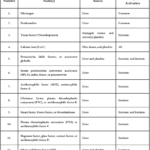
Coagulants And Anticoagulants A theory of blood clotting introduced in 1905 was based on the existence of four factors: thromboplastin (thrombokinase), prothrombin, fibrinogen, and ionized calcium. The clotting sequence proposed was that when tissue damage occurred, thromboplastin entered the blood from the platelets and reacted with prothrombin in the presence of calcium … [Read more...] about Coagulants And Anticoagulants
Medicinal Chemistry II
Antihyperlipidemic Agents
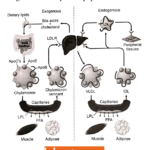
Antihyperlipidemic Agents Introduction Hyperlipidemia is the most prevalent indicator of susceptibility to atherosclerotic heart disease; it is a term used to describe elevated plasma levels of lipids that are usually in the form of lipoproteins. Lipoproteins are macromolecules consisting of lipid substances (cholesterol, triglycerides) non-covalently bound with protein … [Read more...] about Antihyperlipidemic Agents
Classifications of Antiarrhythmic Agents
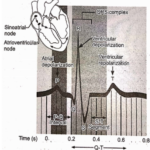
Anti-Arrhythmic Agents Arrhythmia Arrhythmia is an alteration in the normal sequence of electrical impulse rhythm that leads to the contraction of the tire myocardium. It is manifested as an abnormality in the rate, in the site from which the impulses originate, or in tire conduction through the myocardium. The rhythm of the heart normally is determined by a pacemaker … [Read more...] about Classifications of Antiarrhythmic Agents
Antihypertensive Agents Classification
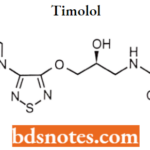
Antihypertensive Agents Antihypertension Hypertension is a consequence of many diseases. Diseases of components of the central and peripheral nervous systems, which regulate blood pressure, and abnormalities of the hormonal system. Diseases of the kidney and peripheral vascular network, which affect blood volume, can create a hypertensive state in humans. Hypertension … [Read more...] about Antihypertensive Agents Classification
Medicinal Chemistry of Diuretics
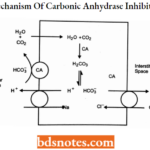
Diuretics Introduction Diuretics are drugs, which increase the rate of urine flow. However, clinically useful diuretics also increase the excretion of Na+ and an accompanying anion (negatively charged ion) like Cl-. Since NaCl is the major determinant of extracellular fluid volume, diuretics reduce extracellular fluid volume (decrease in edema) by decreasing total body … [Read more...] about Medicinal Chemistry of Diuretics