
Dental Investments And Refractory Materials Notes "What are dental investments and refractory materials notes? A detailed question and answers guide" A refractory is a nonmetallic material that can withstand high temperatures without degrading, softening, or losing its strength. An investment can be described as a ceramic material that is suitable for forming a mold into … [Read more...] about Dental Investments And Refractory Materials Notes
Dental Ceramics Notes
Dental Ceramics "What are dental ceramics used for in modern dentistry? A detailed question and answers guide" Dental ceramics hold the promise of a restorative material, that can realistically duplicate teeth, to the extent that the layperson may find it difficult to differentiate. One might argue that composite resins have a similar esthetic potential. However, there … [Read more...] about Dental Ceramics Notes
Wrought Metals And Alloys Notes

"What are wrought metals and alloys? A detailed question and answers guide" Wrought metal is obtained from cast metal. A wrought metal or alloy is one that has been worked, drawn, or shaped into a serviceable form, for example. plates, band materials, bars, and wires. The process of forming wrought metal objects has been known since ancient times. For example, swords … [Read more...] about Wrought Metals And Alloys Notes
Dental Implant Materials Notes
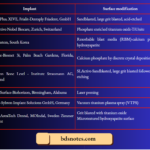
Dental Implant Materials "What are dental implant materials? A detailed question and answers guide" Implanting a foreign material directly into the bone in order to replace missing teeth has been a goal sought since ancient times. Though many materials have been tried, currently, the vast majority of implant systems use titanium in some form. Dental Implant … [Read more...] about Dental Implant Materials Notes
Neoplasm Notes

Neoplasm Notes "What is a neoplasm and why does it matter?" Procarcinogens Procarcinogens are also called indirect-acting carcinogens. Procarcinogens are chemical substances that require prior metabolic activation before becoming potent ‘ultimate’ carcinogens. This group includes the vast majority of carcinogenic chemicals, It includes the following 4 categories: 1. … [Read more...] about Neoplasm Notes