Question 1. Discuss the composition and functions of blood. Answer: Compsotion of blood: "Understanding blood composition through FAQs: Plasma, RBCs, WBCs, and platelets explained" Formed elements - blood cells - 45%. Erythrocytes or red blood corpuslces (RBC's) Normal count -5 million/ul Leucocytes or white blood corpuscles (WBC's) Normal … [Read more...] about Composition and Functions of Blood Question And Answers
Muscle Physiology Question And Answers
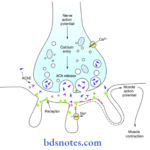
Muscle Physiology "What is muscle physiology? A detailed question and answers guide" Regulation of muscle tone. Answer: Muscle tone: Muscle tone Definition: The muscle fibers always maintain a state of slight contraction with certain degree of vigor and tension. This property of muscle is called tone. Muscle tone Regulation; In skeletal … [Read more...] about Muscle Physiology Question And Answers
Renal Physiology And Excretion Question And Answers
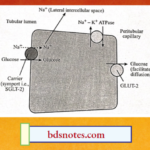
Draw and label the parts of a nephron. Explain the formation of urine. (or) Draw an eat labelled diagram of nephron. Answer: "Understanding renal physiology and excretion through FAQs: Composition, functions, and uses explained" Read And Learn More: BDS Previous Examination Question And Answers Formation of urine: The urine formation takes place in three … [Read more...] about Renal Physiology And Excretion Question And Answers
Reproductive System Question And Answers
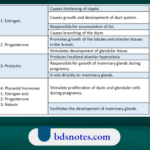
"What is the reproductive system? A detailed question and answers guide" Spermatogenesis. Answer: Spermatogenesis Definition: It is the process of formation of male gametes called spermatozoa from primitive germ cells (spermatogonia) in the testis. It takes place within the cytoplasm of the sertoli cells. Spermatogenesis Stages: 1. Stage of … [Read more...] about Reproductive System Question And Answers
Central Nervous System Question And Answers
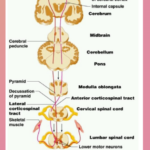
Question 1. Draw a diagram to show different parts of reflex arc. Describe properties of reflex. Answer: Reflex arc: The anatomical nervous pathway for a reflex action is called reflex arc. Parts: 1. Receptor: It is the end organ that receives the stimulus. "Understanding the central nervous system through FAQs: Anatomy, functions, and uses … [Read more...] about Central Nervous System Question And Answers