Pathology Multiple Choice Question And Answers
Multiple Choice Questions
Question 1. An example of negative staining is:
- Gram’s staining
- Fontana‘s staining
- India ink preparation
- Ziehl-Neelsen staining
Answer: 1. Gram’s staining
Question 2. Active immunity is not acquired by:
- Infection
- Vaccination
- immunoglobulin transfer
- Subclinical infection
Answer: 3. immunoglobulin transfer
Read And Learn More: Pathology Question And Answers
Question 3. The size and number of a bacterial cells are increased in the:
- Lag phase A
- Exponential phase
- Acceleration phase
- Stationary phase
Answer: 2. Exponential phase
“What are pathology multiple choice questions and why are they important?”
Question 4. Rapid diagnosis of tuberculosis is possible with:
- Ziehl-Neelsen stain
- King-Yong stain
- Auramine-Rhodamine stain
- Giemsa stain
Answer: 1. Ziehl-Neelsen stain
Question 5. Treponema pallidum is very difficult to demonstrate in:
- Chancre
- Maculopapular rash
- Gumma
- Mucosal patch
Answer: 3. Gumma
“Understanding the role of MCQs in pathology exam preparation”
Question 6. In human sera, kappa and lambda chains occur in the ratio of:
- 1: 1
- 1: 2
- 2: 1
- 1: 4
Answer: 3.2: 1

“How do pathology MCQs help in mastering key concepts?”
Question 7. Gas gangrene is caused by:
- Cl. perfringens
- Cl. welchii
- Cl. tetani
- Cl. botulinum
Answer: 1. Cl. perfringens
Question 8. Hepatitis B is not transmitted by:
- Blood transfusion
- Feco-oral route
- Congenital transmission
- Sexual contact
Answer: 2. Feco-oral route
Objective questions in pathology
Question 9. The best laboratory method to diagnoseAIDS infection is:
- RlA
- ELISA
- Western blot test
- Complement fiation test
Answer: 3. Western blot test
Question 10. In the first week typhoid is diagnosed by:
- Widal test
- Stool culture
- Urine culture
- Blood culture
Answer: 1. Widal test
“Importance of practicing pathology MCQs for better exam outcomes”
Question 11. The most specific antigen of Salmonella typhi:
- ‘H’ antigen
- ‘O’ antigen
- ‘M’ antigen
- ‘N’ antigen
Answer: 2. ‘O’ antigen
Question 12. Which of the following is a premalignant condition?
- Hypertrophy
- Hyperplasia
- Dysplasia
- Metaplasia
Answer: 3. Dysplasia
Question 13. Oral thrush is associated with:
- Actinomycosis
- Candida albicans
- Staphylococci
- Clostridia tetani
Answer: 2. Candida albicans
Question 14. Infarction represents:
- Coagulative necrosis
- Caseation necrosis
- Apoptosis
- Fibrinoid necrosis
Answer: 1. Coagulative necrosis
Question 15. Which of the following is not a benign tumor?
- Lipoma
- Myeloma
- Papilloma
- Hemangioma
Answer: 2. Myeloma
Question 16. Gram-positive organisms show all of the following characteristics except:
- Resist decolorization with acetone
- Resist decolorization with alcohol
- Resist decolorization with acid
- Stained as dark purple
Answer: 3. Resist decolorization with acid
“Common challenges in answering pathology multiple choice questions”
Question 17. Epitheliod cells in tubercular granuloma are derived from:
- Neutrophils
- Epithelial cells
- Monocytes
- Lymphocytes
Answer: 3. Monocytes
Question 18. The stain of choice for Treponema pallidum is:
- Gram stain
- AFB stain
- Silver stain
- Leishman stain
Answer: 3. Silver stain
Question 19. An abscess is a collection of:
- Dead cells
- Neutrophils
- Lymphocytes
- Monocytes
Answer: 2. Neutrophils
Question 20. The Tuberculin test is an example of:
- Type 1 hypersensitivity reaction
- Type 2 hypersensitivity reaction
- Type 3 hypersensitivity reaction
- Type 4 hypersensitivity reaction
Answer: 4. Type 4 hypersensitivity reaction
Question 21. Tubercular granuloma shows:
- Langerhans giant cell
- Foreign body giant cell
- Touton giant cell
- Langhans giant cell
Answer: 4. Langhans giant cell
Question 22. The stain of choice for amyloid is:
- H and E
- Congo red
- Crystal violet
- PAS
Answer: 2. Congo red
“Why is consistent practice critical for pathology MCQ success?”
Question 23. Rodent ulcer is synonymous with:
- Squamous cell carcinoma
- Adenocarcinoma
- Basal cell carcinoma
- Sarcoma
Answer: 3. Basal cell carcinoma
Question 24. Which of the following hepatotropic virus is a DNA virus?
- HAV
- HBV
- HCV
- HEV
Answer: 2. HBV
Question 25. Parasite inflammation is characterized by:
- Neutrophils
- Lymphocytes
- Eosinophils
- Plasma cells
Answer: 1. Neutrophils
Question 26. Soft tubercle show:
- Coagulative necrosis
- Caseation necrosis
- Liquefactive necrosis
- Not necrosis
Answer: 2. Caseation necrosis
Question 27. In syphilis, gumma is seen at:
- Primary syphilis
- Secondary syphilis
- Tertiary syphilis
- All of the above
Answer: 3. Tertiary syphilis
Question 28. Typhoid ulcers are located at:
- Stomach
- Payer’s patches
- Small intestine
- Large intestine
Answer: 3. Small intestine
Question 29. Wet gangrene is commonly observed at:
- Liver
- Spleen
- Intestine
- Bones
Answer: 3. Intestine
Question 30. Sarcomas are commonly spread by:
- Lymphatics
- Hematogenous
- Both a and b
- None of these
Answer: 2. Hematogenous
“Steps to prepare effectively for pathology MCQ exams”
Question 31. The Gram positivity of bacteria depends upon:
- The pore size of bacteria
- Presence of mycolic acid
- Presence of dipicolinic acid
- Presence of teichoic acid
Answer: 4. Presence of teichoic acid
Question 32. The organ of adhesion of bacteria is:
- Capsule
- Slime
- Flagella
- Fimbriae
Answer: 4. Fimbriae
Question 33. The primary immune response is mediated by:
- IgA
- IgD
- IgG
- IgM
Answer: 4. IgM
Question 34. Anaphylaxis is mediated by:
- Cytotoxic antibodies
- Chemotactic factors
- Immune complexes
- Incomplete antibodies
Answer: 2. Chemotactic factors
Question 35. Graves disease is a:
- Type 1 hypersensitivity reaction
- Type 2 hypersensitivity reaction
- Type 3 hypersensitivity reaction
- Type 4 hypersensitivity reaction
Answer: 2. Type 2 hypersensitivity reaction
Question 36. In typhoid, the Widal test detects:
- O antigen
- H antigen
- W antigen
- Both O and H antigen
Answer: 4. Both O and H antigen
Question 37. The generation time of tuberculous bacillus:
- 15 days
- 15 min
- 15 hours
- 15 seconds
Answer: 3. 15 hours
Question 38. The serological marker of acute hepatitis B infection is:
- HBsAg + HBeAg
- HBsAg + Core antibody
- HBsAg
- HBcAg
Answer: 3. HBsAg
Question 39. Which of the following is false about HIV?
- It is a DNA virus
- It attacks CD4 cells
- Macrophages are the reservoir
- It reverses CD4 : CD8 ratio
Answer: 1. It is a DNA virus
“Role of question banks in improving pathology MCQ scores”
Question 40. All the following are characteristic opportunistic infections in AIDS except:
- Cryptosporidium
- Kaposi sarcoma
- M. avium intracellulare
- Aspergillosis
Answer: 4. Aspergillosis
Question 41. All true about dystrophic calcification except:
- Calcium deposition occurs in non-viable tissues
- Psammoma bodies
- Calcium deposition occurs in vital tissue
- Calcium metabolism is normal
Answer: 3. Calcium deposition occurs in vital tissue
Question 42. Histologic hallmarks of chronic inflammation are all except:
- Infiltration of mononuclear cells
- Proliferation of fibroblasts
- Decreased fibrosis
- Tissue destruction
Answer: 3. Decreased fibrosis
Question 43. The pathophysiologic category of edema is:
- Increased hydrostatic pressure
- Increased oncotic pressure of plasma
- Decreased tubular absorption of sodium
- Decreased renin-angiotensin-aldosterone secretion
Answer: 1. Increased hydrostatic pressure
Question 44. Prototype disorder of immune complex disease:
- Autoimmune hemolytic anemia
- Transplant rejection
- Contact dermatitis
- Arthus reaction
Answer: 4. Arthus reaction
Question 45. Effects of childhood scurvy are all except:
- Rosary
- Skeletal deformity does not occur
- Ecchymosis
- Gingival hemorrhage
Answer: 1. Rosary
“How do mock tests enhance pathology MCQ performance?”
Question 46. Feature of iron deficiency anemia is:
- Microcytic hypochromic anemia
- Total plasma iron-binding capacity is normal
- Atrophic glossitis
- Macropolycyte
Answer: 1. Microcytic hypochromic anemia
Question 47. Thrombotic thrombocytopenic purpura (TTC) is characterized by all except:
- Transcent neurologic defect
- Renal failure
- Microangiopathic hemolytic anemia
- Thrombocytosis
Answer: 4. Thrombocytosis
Question 48. Associated tumor of hep adenovirus is:
- Burkitts lymphoma
- Liver cancer
- Leukemia
- Kaposi sarcoma
Answer: 2. Liver cancer
Question 49. True about the pathogenesis of Type 1 diabetes mellitus is:
- Genetic susceptibility
- Derangement in insulin secretion
- Insulin resistance
- Decreased number of insulin receptors
Answer: 1. Genetic susceptibility
Question 50. Major signs of AIDS except:
- Weight loss > 10% of body weight
- Chronic diarrhea of > 1 month
- Prolonged fever > 1 month
- Persistent cough > 1 month
Answer: 4. Persistent cough > 1 month
Question 51. Coagulative necrosis is found in:
- Anemia
- Tuberculosis
- Sarcoidosis
- Gangrene
Answer: 4. Gangrene
“Early warning signs of poor preparation for pathology exams”
Question 52. Wound contraction is mediated by:
- Myofibroblasts
- Epithelial cells
- Collagen
- Elastin
Answer: 1. Myofibroblasts
Question 53. Langerhans cells are:
- Antigen-presenting cells
- Phagocytic cells
- Autoimmune cells
- Cells in acute infection
Answer: 1. Antigen-presenting cells
Question 54. Programmed cell death is called:
- Apoptosis
- Necrosis
- Degeneration
- Calcification
Answer: 1. Apoptosis
Question 55. True about cell aging:
- Free radical injury
- Mitochondria increased
- Lipofuscin accumulation in cell
- Size increases
Answer: 1. Free radical injury
Question 56. The granulomatous inflammatory reaction is caused by all except:
- Mycobacterium tuberculosis
- Mycobacterium leprae
- Yersinia pestis
- Mycoplasma
Answer: 4. Mycoplasma
“Asymptomatic vs symptomatic effects of inadequate study habits”
Question 57. All of the following malignancies are associated with HIV ‘except‘:
- Kaposi’s sarcoma
- Adenocarcinoma
- Non-Hodgkin‘s lymphoma
- Astrocytoma gastric
Answer: 2. Adenocarcinoma
58. Reversal loss of polarity with abnormality in size and shape of the cell is known as:
- Metaplasia
- Dysplasia
- Hyperplasia
- Anaplasia
Answer: 2. Dysplasia
Question 59. Dystrophic calcification is seen in:
- Rickets
- Hyperparathyroidism
- Atheromatous plaque
- Vitamin A intoxication
Answer: 3. Atheromatous plaque
Question 60. The most commonly employed stain for amyloidosis is:
- Congo red and polarized light
- Congo red and nonpolarized light
- Sudan black
- Giemsa stain
Answer: 1. Congo red and polarized light
Question 61. Following are the nuclear changes of necrosis:
- Hyperchromasia
- Pyknosis
- Karyorrhexis
- Karyolysis
Answer: 1. Hyperchromasia
Question 62. Mallory hyaline bodies are a type of:
- Fatt change
- Glycogen degeneration
- Hyaline change
- Proteins degeneration
Answer: 3. Hyaline change
Question 63. Wear and tear pigment is:
- Melanin
- Lipofuscin
- Hemosiderin
- Iron pigment
Answer: 2. Lipofuscin
Question 64. All are true about metastatic calcification except:
- Deposited in nonviable tissue
- Deposited in viable tissue
- Calcium metabolism is deranged
- Associated with parathyroid hyperplasia
Answer: 1. Deposited in nonviable tissue
Question 65. The cells which continuously replicate are:
- Stem cells
- Labile cells
- Stable cells
- Permanent cells
Answer: 1. Stem cells
“Can targeted practice improve pathology MCQ accuracy?”
Question 66. Hepar located is seen in which type of syphilis:
- Primary
- Secondary
- Tertiary
- Congenital
Answer: 3. Tertiary
Question 67. Hemorrhagic infarct is seen in:
- Kidney
- Lung
- Spleen
- Heart
Answer: 2. Lung
Question 68. Metastasis is seen in all of the following tumors EXCEPT:
- Osteosarcoma
- Glioma
- Mesothelioma
- Neuroblastoma
Answer: 2. Glioma
Question 69. In iron deficiency anemia TIBC is:
- Low
- Normal
- High
- Borderline
Answer: 3. High
Question 70. Navicular cells in PAP smear are:
- Superficial squamous cells
- Intermediate squamous cells
- Parabasal squamous cells
- Basal squamous cells
Answer: 2. Intermediate squamous cells
Question 71. The following are the types of necrosis:
- Coagulative
- Caseous
- Zenker’s
- Liquefactive
Answer: 3. Zenker’s
Question 72. Russel bodies are seen in:
- Neutrophils
- Plasma cells
- Lymphocytes
- Monocytes
Answer: 2. Plasma cells
Question 73. Pigments deposited in brown atrophy of the heart are:
- Melanin
- Hemosiderin
- Lipofuscin
- Iron pigment
Answer: 3. Lipofuscin
Question 74. All are true about dystrophic calcification:
- Deposited in dead tissue
- Deposited in living tissue
- Calcium metabolism is normal
- Formation of psammoma bodies
Answer: 2. Deposited in living tissue
Question 75. The cells which do not multiply are:
- Labile cells
- Permanent cells
- Stable cells
- Stem cells
Answer: 2. Permanent cells
“Steps to master common pathology subtopics through MCQs”
Question 76. The type of hypersensitivity involved in the formation of granuloma is:
- Type 1
- Type 2
- Type 3
- Type 4
Answer: 4. Type 4
Question 77. Following are the cells present in tuberculous granuloma except:
- Langhans giant cells
- Epithelioid cells
- Lymphocytes
- Aschof cells
Answer: 4. Aschof cells
Question 78. Xeroderma pigmentosum will lead to the following cancers:
- Basal cell carcinoma
- Sweat gland carcinoma
- Malignant melanoma
- Squamous cell carcinoma
Answer: 2. Sweat gland carcinoma
Question 79. Folate circulates in plasma as:
- Methyl tetrahydrofolate
- Polyglutamate
- Monoglutamate
- Diglutamate
Answer: 3. Monoglutamate
Question 80. Pappenheimer bodies are found in:
- Sideroblasts
- Siderocytes
- Late normoblasts
- Intermediate normoblasts
Answer: 2. Siderocytes
Question 81. Auer rods are seen in:
- AML
- ALL
- CLL
- CML
Answer: 1. AML
Question 82. Which of the following is not a malignant tumor:
- Lymphoma
- Chondroma
- Melanoma
- Hepatoma
Answer: 2. Chondroma
Question 83. The virus associated with cervical cancer is:
- EBV
- HSV
- HPV
- HIV
Answer: 3. HPV
Question 84. Miliary tuberculosis is:
- Local dissemination
- Lymphatic obstruction
- Hematogenous dissemination
- Extension from lung to plural
Answer: 3. Hematogenous dissemination
“Role of histopathology MCQs in understanding tissue diseases”
Question 85. Infarcts are rarely seen in:
- Spleen
- Lung
- Kidney
- Liver
Answer: 4. Liver
Question 86. Which is not the component of the Virchow triad for thrombosis?
- Endothelial injury
- Lymphatic obstruction
- Alteration in blood flow
- Alteration in blood component
Answer: 2. Lymphatic obstruction
Question 87. The key cell of chronic inflammation is:
- Lymphocyte
- Plasma cell
- Monocyte
- Eosinophil
Answer: 1. Lymphocyte
Question 88. Large bulky friable vegetation is seen in:
- Rheumatic heart disease
- Infective endocarditis
- Systemic lupus erythematosus
- Atherosclerosis
Answer: 2. Infective endocarditis
Question 89. The cell-mediated hypersensitivity is initiated by:
- T cells
- B cells
- Monocytes
- NK cells
Answer: 1. T cells
Question 90. Which is not a differential diagnosis for hypochromic microcytic anemia?
- Iron deficiency anemia
- Thalassemia minor
- Megaloblastic anemia
- Anemia of chronic disorders
Answer: 3. Megaloblastic anemia
Question 91. Apoptosis is:
- Programmed cell death
- Ischemic necrosis
- Hypoxic necrosis
- Hyaline change
Answer: 1. Programmed cell death
Question 92. Epithelioid cells are derived from:
- Neutrophils
- Lymphocyte
- Monocyte
- Eosinophils
Answer: 3. Monocyte
Question 93. Which of the following oncogenic viruses is associated with a pilocytic change in epithelium?
- EBV
- HSV
- HPV
- HIV
Answer: 3. HPV
“How do hematology MCQs address blood disorders?”
Question 94. Hypersegmented neutrophils are seen in:
- Megaloblastic anemia
- Iron deficiency anemia
- Acute leukemia
- Chronic leukemia
Answer: 1. Megaloblastic anemia
Question 95. The most common oral infection in AIDS:
- Candida
- Cryptococcus
- Histoplasmosis
- Aspergillosis
Answer: 1. Candida
Question 96. The necrosis in myocardial infarction is:
- Ischemic necrosis
- Liquefactive necrosis
- Fat necrosis
- Coagulative necrosis
Answer: 4. Coagulative necrosis
Question 97. ReedSternberg giant cells are seen in:
- Tuberculosis
- Hodgkin’s lymphoma
- Non-Hodgkin’s lymphoma
- Leukemia
Answer: 2. Hodgkin’s lymphoma
Question 98. Leiomyoma arises from:
- Uterus
- Intestine
- Smooth muscle
- Fibrous tissue
Answer: 3. Smooth muscle
Question 99. The most common recurrent benign tumor of the salivary gland:
- Pleomorphic adenoma
- Oncocytic adenoma
- Basal cell adenoma
- Lymphoepithelioma
Answer: 1. Pleomorphic adenoma
Question 100. The test which assesses extrinsic and common coagulation pathways is:
- BT
- CT
- PT
- Platelet count
Answer: 2. CT
Question 101. Which of the following type of necrosis is grossly opaque and chalky white?
- Coagulation necrosis
- Liquefaction necrosis
- Caseous necrosis
- Fat necrosis
Answer: 4. Fat necrosis
“Early warning signs of knowledge gaps in pathology subtopics”
Question 102. Dystrophic calcification is most closely associated with:
- Hypercalcemia
- Necrosis
- Chronic irritation
- Diminished blood flow
Answer: 2. Necrosis
Question 103. Which of the following terms refers to a malignant tumor of mesenchymal origin?
- Carcinoma
- Hepatoma
- Hematoma
- Sarcoma
Answer: 4. Sarcoma
Question 104. Which of the following is a reversible change:
- Karyorrhexis
- Pyknosis
- Karyolysis
- Swelling of endoplasmic reticulum
Answer: 4. Swelling of endoplasmic reticulum
Question 105. Grading of cancer is based on which of the following statements:
- Size of the primary tumor
- Spread of cancer cells to regional lymph nodes
- The presence of blood-borne metastasis
- Degree of differentiation of tumor cells, anaplasia, and number of mitoses
Answer: 4. Degree of differentiation of tumor cells, anaplasia, and number of mitoses
Question 106. Which of the following is not a malignant tumor?
- Glioma
- Lymphoma
- Melanoma
- Leiomyoma
Answer: 4. Leiomyoma
Question 107. If a rare disorder with early onset in life is inherited in such a way that male and female off springs are equally affected, only homozygous persons are affected, then the mode of inheritance would be:
- Autosomal dominant
- Autosomal recessive
- X- linked dominant
- X- linked recessive
Answer: 2. Autosomal recessive
Question 108. The most characteristic feature of granulation tissue is:
- Growth of fibroblasts and new capillaries
- The resemblance of a granuloma
- The character of the exudates
- The granular scar that results
Answer: 1. Growth of fibroblasts and new capillaries
Question 109. Morphologic changes seen in chronic nonspecifi inflammation include an increase in:
- Neutrophils, lymphocytes, and liquefaction necrosis
- Neutrophils, macrophages, and fibrosis
- Lymphocytes, plasma cells, and fibrosis
- Giant cells, macrophages, and coagulative necrosis
Answer: 3. Lymphocytes, plasma cells, and fibrosis
“Asymptomatic vs symptomatic effects of ignoring weak areas”
Question 110. Which of the following is the hallmark of acute inflammation?
- Neutrophils
- Connective tissue
- Macrophages
- Granulation tissue
Answer: 1. Neutrophils
Question 111. Phagocytosis was discovered by:
- Robert Koch
- Burnet
- Edward Jenner
- Mechnikov
Answer: 4. Mechnikov
Question 112. Which of the following is not a malignant tumor?
- Glioma
- Lymphoma
- Melanoma
- Leiomyoma
Answer: 4. Leiomyoma
Question 113. Dartling movements are seen in:
- Salmonella
- Vibrio
- Treponema
- Clostridium
Answer: 2. Vibrio
Question 114. If a rare disorder with early onset in life is inherited in such a way that male and female offsprings both are equally affected, only homozygous persons are affected, then the mode of inheritance would be:
- Autosomal dominant
- Autosomal recessive
- X-linked dominant
- X-linked recessive
Answer: 2. Autosomal recessive
Question 115. The most characteristic feature of granulation tissue is:
- Growth of fibroblasts and new capillaries
- Resemblance to granuloma
- Character of exudates
- The granular scar that results
Answer: 1. Growth of fibroblasts and new capillaries
Question 116. Morphologic changes seen in chronic nonspecifi inflammation include an increase in:
- Neutrophils, lymphocytes, and liquefaction necrosis
- Neutrophils, macrophages, and fibrosis
- Lymphocyte, plasma cell, and fibrosis
- Giant cells, macrophages, and coagulative necrosis
Answer: 3. Lymphocyte, plasma cell, and fibrosis
Question 117. Double-stranded RNA is seen in:
- Retrovirus
- HIV virus
- Reovirus
- Rhabdovirus
Answer: 3. Reovirus
“Can focused MCQ practice strengthen pathology subtopic knowledge?”
Question 118. Dystrophic calcification is most closely associated with:
- Hypercalcemia
- Necrosis
- Chronic irritation
- Diminished blood flow
Answer: 2. Necrosis
Question 119. Which of the following types of necrosis is grossly opaque and chalky white?
- Coagulation necrosis
- Liquefaction necrosis
- Caseous necrosis
- Fat necrosis
Answer: 4. Fat necrosis
Question 120. The most reliable methods for diagnosis of primary syphilis are:
- VDRL test
- FTA-ABS
- Microhemagglutinine
- Darkfield examination of chancre
Answer: 3. Microhemagglutinine
Question 121. Caseous necrosis is seen in:
- TB
- Sarcoidosis
- Gangrene
- Fungal infection
Answer: 1. TB
Question 122. Dystrophic calcification is seen in:
- Atheroma
- Paget’s disease
- Renal osteodystrophy
- Milk alkali syndrome
Answer: 1. Atheroma
Question 123. Free radicals are generated by all except:
- Superoxide
- NADPH oxide
- Myeloperoxidase
- None of these
Answer: 4. None of these
Question 124. The earliest transient change following tissue injury will be:
- Neutropenia
- Neutrophilia
- Monocytosis
- Lymphocytosis
Answer: 2. Neutrophilia
Question 125. The role of bradykinin in the process of inflammation is:
- Vasoconstriction
- Bronchodilatation
- Pain
- Increased vascular permeability
Answer: 4. Increased vascular permeability
Question 126. Sure sign of malignancy is:
- Mitosis
- Polychromasia
- Nuclear pleomorphism
- Metastasis
Answer: 4. Metastasis
“Steps to educate students about pathology MCQ strategies”
Question 127. The storage form of iron is:
- Ferritin
- Transferrin
- Hepcidin
- Ferroprotein
Answer: 1. Ferritin
Question 128. The type of anemia in iron deficiency is:
- Microcytic
- Macrocytic
- Normocytic
- All of the above
Answer: 1. Microcytic
Question 129. Hypersegmented neutrophils are seen in:
- Thalassemia
- Iron deficiency
- Megaloblastic anemia
- All of the above
Answer: 3. Megaloblastic anemia
Question 130. FIGLU test is done for:
- Iron deficiency
- Folic acid deficiency
- Thiamine deficiency
- Riboflavin deficiency
Answer: 2. Folic acid deficiency
Fill In The Blanks
Question 1. Eosinophilia is common in disease ———-.
Answer: Allergic conditions and Parasitic infestations
Question 2. Prussian blue reaction is positive for pigment ………….
Answer: Hemosiderin pigment
Question 3. Liquefaction necrosis is usually seen in …………………
Answer: Abscess cavity
Question 4. RBCs in iron deficiency anemia are ………………..
Answer: Microcytic hypochromic
Question 5. Langhans giant cells are seen only in ………………..
Answer: Tuberculosis and sarcoidosis
Viva-Voce Questions For Practical Examination
Question 1. Name the term used for maintenance of a constant internal environment.
Answer: Homeostasis
Question 2. Name the term which is used for the cell which undergoes excessive physiologic stress.
Answer: Adaptation
Question 3. Name the term used when the cell’s adaptive capacity exceeds.
Answer: Cell injury
Question 4. Name the most common morphologic pattern of cell death.
Answer: Coagulative necrosis
Question 5. During cell injury hypoxia produces its effect by acting on which pathway.
Answer: Aerobic oxidative respiration
Question 6. If glucose got sufficiently concentrated it can lead to cell injury by acting on which phenomenon.
Answer: Osmotic homeostasis
Question 7. Name the compound secreted by Clostridium perfringens that causes cell injury.
Answer: Phospholipids
Question 8. Blebs and Myelin figures are associated with which of the phenomenon?
Answer: Reversible cell injury
Question 9. Which injury represents calcium-rich density?
Answer: Irreversible cellular injury
Question 10. After how much time can irreversible cell injury be seen after ischemia?
Answer: 30 to 40 min
Question 11. Name the central factor in the pathogenesis of irreversible injury.
Answer: Cell membrane damage
Question 12. What is emerging as the first common pathway of tissue damage in chemical and radiation injury?
Answer: Free radicals
“Role of counseling in reducing pathology MCQ exam anxiety”
Question 13. Mercuric chloride induces cell damage by binding with which groups on the cell membrane.
Answer: Sulfhydryl group
Question 14. Name the organ on which carbon tetrachloride principally acts.
Answer: Liver
Question 15. Which is the most common soft tissue tumor?
Answer: Lipoma
Question 16. Name the example of injury caused by free radicals over the years and responsible for certain aspects of cellular aging.
Answer: Lipofuscin
Question 17. Which is the first manifestation of almost all forms of cell injury?
Answer: Cloudy swelling
Question 18. Hydropic change and vacuolar degeneration are all seen in which type of injury.
Answer: Reversible
Question 19. Denaturation of proteins is seen in which type of necrosis.
Answer: Coagulative necrosis
Question 20. Enzymatic digestion of cells is seen in which type of necrosis.
Answer: Liquefactive necrosis
Question 21. In which condition the basophilia of chromatin fades?
Answer: Karyolysis
Question 22. Name the condition characterized by nuclear shrinkage and basophilia.
Answer: Pyknosis
Question 23. What is nuclear fragmentation known as?
Answer: Karyorrhexis
Question 24. Which necrosis is characterized by focal bacterial infections?
Answer: Liquefactive necrosis
Question 25. What are the councilman bodies found in viral hepatitis?
Answer: Apoptotic cell fragments
Question 26. Name the disease in which mega mitochondria are seen.
Answer: Alcoholic liver disease.
Question 27. Mallory’s body is characteristically seen in which disease.
Answer: Alcoholic liver disease
Question 28. Which disease is caused by a chronic excess of glucocorticoids, mostly cortisol?
Answer: Cushing’s syndrome
Question 29. Prussian blue stain is used to visualize which compound.
Answer: Iron
Question 30. Name the pigment which is associated with brown atrophy.
Answer: Lipofuscin
Question 31. Name the organ which shows both hypertrophy and hyperplasia.
Answer: Uterus
“How do educational materials clarify complex pathology MCQ concepts?”
Question 32. Patients with hyperplasia of the endometrium are at an increased risk of developing this disease.
Answer: Endometrial cancer
Question 33. Name the reversible cell change in which the adult cell type is replaced by another adult cell type.
Answer: Metaplasia
Question 34. Name the vitamin whose deficiency induces squamous metaplasia in the respiratory epithelium.
Answer: Vitamin A
Question 35. Name the type of calcification which occurs despite normal serum levels of calcium and in the absence of derangements in calcium metabolism.
Answer: Dystrophic calcification
Question 36. Name the calcification commonly developed in damaged heart valves.
Answer: Dystropic Tropic
Question 37. Name the calcification that occurs when there is hypercalcemia.
Answer: Metastatic calcification
Question 38. Name the scientist who had given the terms calor, rubor, tumor, and dolor.
Answer: Celsus
Question 39. Name the scientist who had given the terms calor, rubor, tumor, dolor, and function laksa were given by.
Answer: Virchow
Question 40. What is the hallmark of early hemodynamic changes in acute inflammation?
Answer: Increase in the blood flow
Question 41. In most types of acute inflammation which cells emigrate first and which cells emigrate later?
Answer: Neutrophils emigrate first and monocyte emigrate later
“Early warning signs of poor understanding of pathology MCQs”
Question 42. Which cell is the richest source of histamine?
Answer: Mast cell
Question 43. Name the cell which releases serotonin (a vasoactive mediator).
Answer: Platelets
Question 44. Which is known as anaphylotoxin.
Answer: C3a, C5a
Question 45. Name the part of a cell in which arachidonic acid is present in large amounts.
Answer: Cell membrane
Question 46. Name the cells which produce cytokines.
Answer: Activated lymphocytes and macrophages
Question 47. Name the effect by which cytokine acts on cells.
Answer: Autocrine, paracrine and endocrine
Question 48. Which component is largely responsible for fever seen in acute inflammation?
Answer: Interleukin 1
Question 49. What is the hallmark of chronic inflammation?
Answer: Tissue destruction
Question 50. Name the interferon is a major stimulator of monocytes and macrophages.
Answer: Gumma
Question 51. TB, syphilis, leprosy, cat scratch disease, schistosomiasis, silicosis, berylliosis, and sarcoidosis have common characteristics.
Answer: Granulomatous inflammation
“Asymptomatic vs symptomatic effects of ineffective teaching methods”
Question 52. Name the component which is characteristic of inflammation in body cavities such as pericardium and pleura.
Answer: Fibrinous exudate
Question 53. What does a simple boil know as?
Answer: Furuncle
Question 54. Name the bacterial infection which causes leukopenia.
Answer: Typhoid
Question 55. Name the growth factor which has the ability to induce all the steps necessary for angiogenesis.
Answer: Fibroblast growth factor
Question 56. Which tissue is the hallmark of healing?
Answer: Granulation tissue
Question 57. Name the feature that most clearly differentiates primary from secondary healing.
Answer: Wound contraction
Question 58. Which is the single most important cause of delay in healing?
Answer: Infection
Question 59. Which is often the terminal event in most forms of heart disease?
Answer: Pulmonary edema
Question 60. Subcutaneous edema of the lower parts of the body is a prominent manifestation of cardiac failure particularly failure of which ventricle.
Answer: Right ventricle
Question 61. Which is one of the most reliable postmortem indicators of left ventricular cardiac failure?
Answer: Chronic passive congestion of the lungs
“Can interactive tools improve adherence to pathology MCQ study plans?”
Question 62. Name the minute hemorrhages into the skin mucous membrane or serosal surfaces.
Answer: Petechiae
Question 63. Lines of Zahn are present in which type of thrombi?
Answer: Arterial thrombi
Question 64. Name the organ from which natural thrombi usually arise.
Answer: Heart
Question 65. Which organ does venous thrombi affect most commonly?
Answer: Lower extremities
Question 66. Name the sign which occurs during predisposition to venous thrombosis in any of the veins of the body in patients with visceral cancer.
Answer: Trousseau’s sign
Question 67. Name the condition to which patients are at highrisk who are taking oral contraceptives containing at least 50 µg of estrogen.
Answer: Thrombosis
Question 68. What does definition syndrome or consumption coagulopathy is known as?
Answer: Disseminated intravascular coagulation
Question 69. What refers to the occlusion of some parts of the cardiovascular system by the impaction of some mass transported to the site through the bloodstream?
Answer: Embolism
Question 70. Caissons disease or decompression sickness is which form of embolism.
Answer: Gas
Question 71. Name the area of ischemic necrosis within a tissue or an organ produced by occlusion of either its arterial or its venous drainage.
Answer: Infarction
“Differential applications of traditional vs digital learning methods”
Question 72. For how much time do neurons of the CNS undergo irreversible damage when deprived of their blood supply?
Answer: 3 to 4 min
Question 73. Which condition is associated with low cardiac output hypotension, impaired tissue perfusion, and cellular hypoxia?
Answer: Shock
Question 74. The gene for neurofibromatosis is located on which chromosome?
Answer: 17
Question 75. Name the single gene defects.
Answer: Mutation
Question 76. Which syndrome shows fragmentation of elastic tissue?
Answer: Marfan’s syndrome
Question 77. Where does the endogenous synthesis of cholesterol and LDL begin?
Answer: Liver
Question 78. Where do the Lisch nodules present?
Answer: Neurofibromatosis
Question 79. Which enzyme deficiency causes albinism?
Answer: Tyrosinase
Question 80. What does the wrinkled tissue paper appearance of the cytoplasm is suggestive of?
Answer: Gaucher’s disease
Question 81. Name the joint commonly involved in gout.
Answer: Great Toe
“Difference between pathology MCQs and essay-based questions”
Question 82. Which is organ commonly involved in gout?
Answer: Kidney
Question 83. Name the enzyme deficient in EhlersDanlos syndromes.
Answer: Lysyl hydroxylase
Question 84. Which is the most common chromosomal disorder?
Answer: Down’s syndrome
Question 85. Which syndrome shows “Mongolian idiocy”?
Answer: Down’s syndrome
Question 86. What is Trisomy 21?
Answer: Down’s syndrome
Question 87. What is Trisomy 18?
Answer: Edward’s syndrome
Question 88. What is Trisomy 13?
Answer: Patau’s syndrome
Question 89. 47 XXY is which syndrome.
Answer: Klinefelter‘s syndrome
Question 90. Name female hypogonadism.
Answer: Turner’s syndrome
Question 91. Which cells are the mediators of cellular immunity?
Answer: T Lymphocytes
“Most common mistakes made while answering pathology MCQs”
Question 92. What is the normal healthy Individual CD4:CD8 ratio?
Answer: 2:1
Question 93. On antigenic stimulation B cells form which cells.
Answer: Plasma cells
Question 94. What are the dendritic cells found?
Answer: Lymphoid tissue
Question 95. Where are the Langerhans cells seen?
Answer: Epidermis
Question 96. Which cells are the first line of defense against neoplastic on virus infected cells?
Answer: Natural killer cells
Question 97. Which antibody mediates Type I reaction in humans?
Answer: IgE
Question 98. Goodpasture’s syndrome represents which type of hypersensitivity.
Answer: Cytotoxic
Question 99. Which type of hypersensitivity reaction do transfusion reactions and Rhesus incompatibility present?
Answer: Complement-mediated cytotoxicity
Question 100. Serum sickness is an example of this type of hypersensitivity.
Answer: Type 3 systemic immune complex
Question 101. Arthus’ reaction is an example of this type of hypersensitivity.
Answer: Type 3 local immune complex
Question 102. Name a classical example of a delayed hypersensitivity reaction test.
Answer: Tuberculin
Question 103. Which interferon is the most important mediator of delayed hypersensitivity?
Answer: Gumma
Question 104. Which is the most frequently transplanted solid organ?
Answer: Kidney
Question 105. Which type of cell is a LE cell basically?
Answer: Phagocytic leucocyte
Question 106. Which stain is used for the histological diagnosis of amyloid?
Answer: Congo red
Question 107. Tapiocalike granules on gross examination of “sago spleen” is due to.
Answer: Amyloid of spleen
Question 108. Which term is collectively referred to as cancers?
Answer: Malignant tumors
“Why are pathology MCQs often feared by medical students?”
Question 109. Which component is crucial for the growth of the neoplasm?
Answer: Stroma
Question 110. Which term is given to benign epithelial neoplasms producing gland patterns and to those derived from glands but not necessarily exhibiting gland patterns?
Answer: Adenoma
Question 111. Name the benign epithelial neoplasm that produces microscopic or macroscopic figer-like fronds.
Answer: Papilloma
Question 112. Name the neoplasm that projects above a mucosal surface.
Answer: Polyp
Question 113. Where do cystadenomas are characteristically seen?
Answer: Ovary
Question 114. Name the malignant neoplasms arising from mesenchymal tissues.
Answer: Sarcoma
Question 115. Name the malignant neoplasms arising from epithelial cell origin.
Answer: Carcinoma
Question 116. Which tumor contains recognizable mature or immature cells or tissue representatives of more than one germ layer and sometimes all three?
Answer: Teratomas
Question 117. Name the benign neoplasm arising from smooth muscle.
Answer: Leiomyoma
Question 118. Name the benign neoplasms arising from skeletal muscle.
Answer: Rhabdomyosarcoma
Question 119. What is considered the hallmark of malignancy?
Answer: Anaplasia
Question 120. What is the normal nuclear-cytoplasmic ratio?
Answer: 1:4 Or 1:6
Question 121. What is the nuclear-cytoplasmic ratio in malignant neoplasms?
Answer: 1:1
Question 122. What is referred to as disordered cellular arrangement?
Answer: Dysplasia
Question 123. What is the condition known as when dysplastic changes are marked and involve the entire thickness of the epithelium?
Answer: Carcinoma in situ
Question 124. Which is the most reliable feature that distinguishes a malignant from a benign tumor?
Answer: Metastasis
Question 125. Carcinomas spread by which route?
Answer: Lymphatic route
“Cost of failing pathology exams due to poor MCQ preparation vs prevention”
Question 126. Sarcomas spread by which route?
Answer: Hematogenous route
Question 127. Individuals exposed to asbestos are at an increased risk of developing cancer.
Answer: Bronchogenic cancer
Question 128. Individuals exposed to benzene are at an increased risk of developing which disease?
Answer: Leukemia
Question 129. What is the protooncogene which presents apoptosis or programmed cell death?
Answer: bcl-2 gene
Question 130. Which gene can function both as an oncogene and a cancer suppressor gene?
Answer: p53
Question 131. HPV leads to carcinoma.
Answer: Cervix
Question 132. Which pattern of growth do malignant melanomas are proposed to have?
Answer: Radial and vertical
Question 133. Which lesion shows abtropfung effct?
Answer: Junctional nevus
Question 134. Which is the most prevalent chronic occupational disease in the world?
Answer: Silicosis
Question 135. Where do Ferruginous bodies are seen?
Answer: Asbestosis
Question 136. Hemoglobin has how much affinity for CO than O2.
Answer: 200 times
Question 137. Most of the alcohol in the blood is transformed into the liver component.
Answer: Acetaldehyde
Question 138. Which is the primary target of ionizing radiation?
Answer: DNA
Question 139. Name the disease which shows flaky paint skin lesions, with alternating zones of hyperpigmentation and area of desquamation.
Answer: Kwashiorkor
Question 140. Bitot spots occur due to the deficiency of which vitamin?
Answer: Vitamin A
Question 141. When vitamin D is derived from plant sources in which form it is present?
Answer: Ergosterol
Question 142. Which hormone is referred to as steroid hormone?
Answer: Vitamin D
Question 143. Which is biologically the most active form of vitamin D?
Answer: 1,25 dihydroxycholecalciferol
Question 144. Name the disease which shows clinical features such as Rachitic rosary, Harrison’s groove, and craniotabes.
Answer: Rickets
Question 145. Name the enzyme whose lagging cannot synthesize vitamin C in humans?
Answer: Gluconolactone oxidase
Question 146. How much body mass index (BMI) is considered normal?
Answer: 25 Kg/m2
Question 147. Which type of liver is produced by chronic venous congestion of the liver?
Answer: Nutmeg liver
“Success rate of students using structured pathology MCQ practice”
Question 148. What does serum levels of lactic dehydrogenase and creatine kinase are diagnostic of?
Answer: Myocardial infarction
Question 149. What is the ultimate cause of death in sudden cardiac failure?
Answer: Arrhythmia
Question 150. Which is the most common congenital heart disease?
Answer: Ventricular septal defect
Question 151. Substitutions of valine for glutamic acid at the 6th position of which chain produces sickle cell anemia.
Answer: Beta
Question 152. How much reduction of the life span of RBC occurs in sickle cell anemia?
Answer: 20 days
Question 153. What does hydrops detalis and kernicterus are suggestive of?
Answer: Erythroblastosis fetalis
Question 154. Which is a good indicator of body iron stores?
Answer: Serum ferritin
Question 155. What do iron deficiency anemia, dysphagia, and esophageal webs suggestive of?
Answer: Plummer-Vinson syndrome
Question 156. What does cobalamin deficiency produce?
Answer: Pernicious anemia
Question 157. What does Starry Sky pattern indicative of?
Answer: Burkitts lymphoma
Question 158. ReedSternberg cell is seen in which disease.
Answer: Hodgkin’s disease
Question 159. Acute lymphoblastic leukemia is most commonly seen in.
Answer: Children
Question 160. In which disease auer rods are seen?
Answer: Acute myeloblastic leukemia
Question 161. Name the disease associated with Philadelphia chromosome.
Answer: Chronic myeloid leukemia
Question 162. Which is the most common malignant plasma cell dyscrasia?
Answer: Multiple myeloma
Question 163. Which is the most common site for multiple myeloma?
Answer: Vertebral column
Question 164. Bence Jones proteins which are seen in serum or urine of which disease?
Answer: Multiple myeloma
Question 165. HX bodies (Birbeck granules) present in the cytoplasm during which disease?
Answer: Langerhans cell histiocytosis
Question 166. How much is the platelet count per microliter or less which is considered to constitute thrombocytopenia?
Answer: 1 lakh
“Preparation tips for pathology MCQ exams in adults vs students”
Question 167. Which is one of the most common hematologic manifestations of AIDS?
Answer: Thrombocytopenia
Question 168. What does factor 8 deficiency lead to?
Answer: Hemophilia A or Classic hemophilia
Question 169. What does the factor 9 deficiency lead to?
Answer: Hemophilia B
Question 170. Which is the most common agent causing atypical pneumonia?
Answer: Mycoplasma pneumoniae
Question 171. In which disease colonies of yellow to gray sulfur granules are seen?
Answer: Actinomycosis
Question 172. What does the combination of parenchymal lesion and nodal involvement in tuberculosis is known as?
Answer: Ghon complex
Question 173. What does blood-borne dissemination of tuberculosis produce?
Answer: Miliary tuberculosis
Question 174. What does tuberculosis of vertebrae is called?
Answer: Potts disease
Question 175. What does tuberculosis of the lymph node is known as?
Answer: Scrofula
Question 176. Name the fungal infection which mimics tuberculosis.
Answer: Histoplasmosis
Question 177. Which is the most common disease-forming fungus?
Answer: Candida
Question 178. Name the fungal infection easily mistaken for squamous cell carcinoma.
Answer: Blastomycosis
Question 179. Name the hepatitis which is otherwise known as infective hepatitis or short incubation.
Answer: Hepatitis A
Question 180. Which virus in the past was called an Australian antigen?
Answer: HbsAg
Question 181. What is the other name of serum hepatitis?
Answer: Hepatitis B
Question 182. What is present in serum as a marker for active viral replication?
Answer: HbeAg
Question 183. Which is the valuable marker for infection with initial antiHBc response?
Answer: IgM
Question 184. What does Juvenile diabetes or ketone-prone diabetes know as?
Answer: Type 1 insulin-dependent diabetes mellitus
Question 185. What does the single measure of provide an index of average glucose level over 2—4 months?
Answer: HbA1C
Question 186. In which disease have ArmaniEbstein cells seen?
Answer: Diabetes mellitus
Question 187. Which is the most common cause of thyrotoxicosis?
Answer: Grave’s disease
Question 188. What does the Triad of Graves’ disease consist of?
Answer: Exophthalmos, infiltrative dermatopathy, and hyperthyroidism
Question 189. Hurthle cells are seen in which disease?
Answer: Hashimoto’s thyroiditis
Very Short Questions
Question 1. Enumerate the type of giant cells:
Answer:
Giant cells can be classified based according to their occurrence in the body:
- Physiological giant cells:
- Osteoclast
- Megakaryocytes
- Striated muscle cells
- Syncytiotrophoblast
- Pathological giant cells:
- Langhan’s giant cells
- Foreign body giant cells
- Touton giant cells
- Tumor giant cells
- Warthin-Finkeldey giant cells.
Question 2. Enumerate cardinal signs of acute inflammation:
Answer:
Cardinal signs of acute inflammation are:
- Rubor (redness)
- Calor (increased heat)
- Tumor (swelling)
- Dolor (pain), and
- Functio laksa (loss of function).
Question 3. Enumerate types of necrosis:
Answer:
The following are the types of necrosis:
- Coagulative necrosis
- Liquefaction necrosis
- Caseous necrosis
- Fat necrosis
- Fibrinoid necrosis
Question 4. Enumerate types of shocks:
Answer:
The following are the types of shocks:
- Hypovolemic shock
- Cardiogenic shock
- Septic shock
- Other types
- Traumatic shock
- Neurogenic shock
- Hypoadrenal shock
Question 5. Define amyloidosis:
Answer:
Amyloidosis is the term used for a group of diseases characterized by extracellular deposition of a fibrillar insoluble proteinaceous substance known as amyloid having a common morphological appearance.
staining properties and physical structure but with variable protein composition.
“Is pathology MCQ performance reversible with targeted practice?”
Question 6. Define atherosclerosis:
Answer:
Atherosclerosis is the thickening and hardening of large and medium-sized muscular arteries, primarily due to the involvement of tunica intima, and is characterized by
firofatt plaques or atheromas.
Question 7. Enumerate a few chronic inflammatory diseases:
Answer:
The following are the chronic inflammatory diseases:
- Chronic osteomyelitis
- Tuberculosis
- Leprosy
- Syphilis
- Actinomycosis
- Schistosomiasis
- Sarcoidosis
Question 8. Enumerate mode of metastasis:
Answer:
The following is the mode of metastasis:
- Lymphatic spread
- Hematogenous spread
- Spread along body cavities and natural passages.
Additional Information
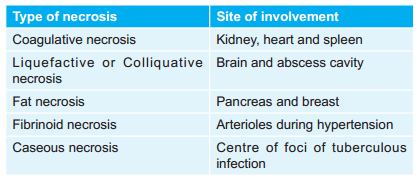
Types of Necrosis along with their Sites of Involvement
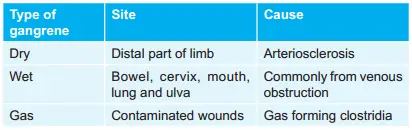
Types of Gangrene with Their Sites and Causes
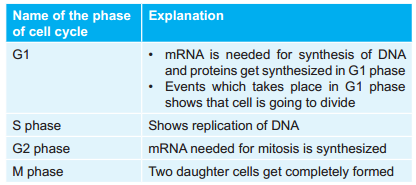
Various Phases of Cell Cycle
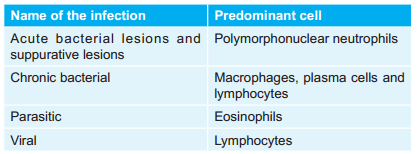
Various infections and their predominant cells
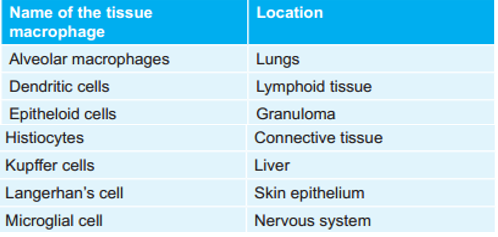
Various Tissue Macrophages and their Location
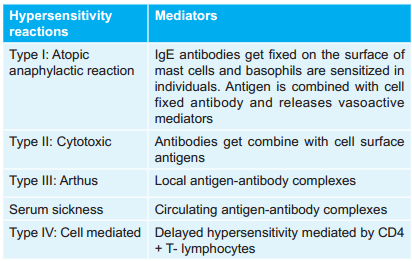
Various Anaphylactic Reactions
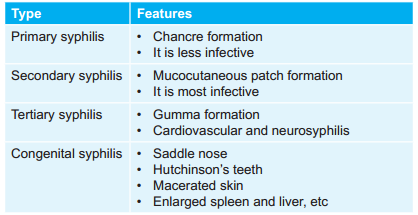
Types of syphilis and their features
Various Causes of Edema
- Decrease in plasma oncotic pressure
- Increased capillary hydrostatic pressure
- Increased capillary permeability
- Lymphatic obstruction
- Tissue factors
- Retention of sodium and water
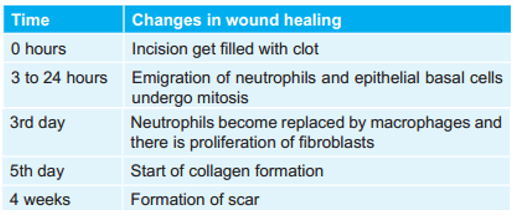
Changes During Healing of Wound
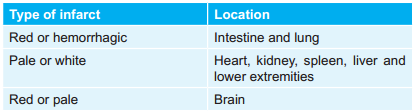
Various Infarcts and their Location
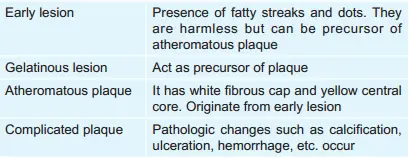
Stages in Atherosclerosis
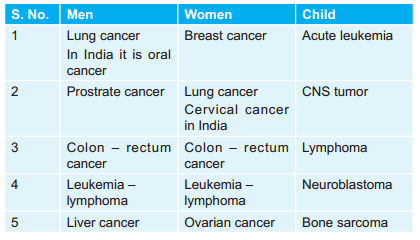
Most Common Malignant Tumors in Descending Order
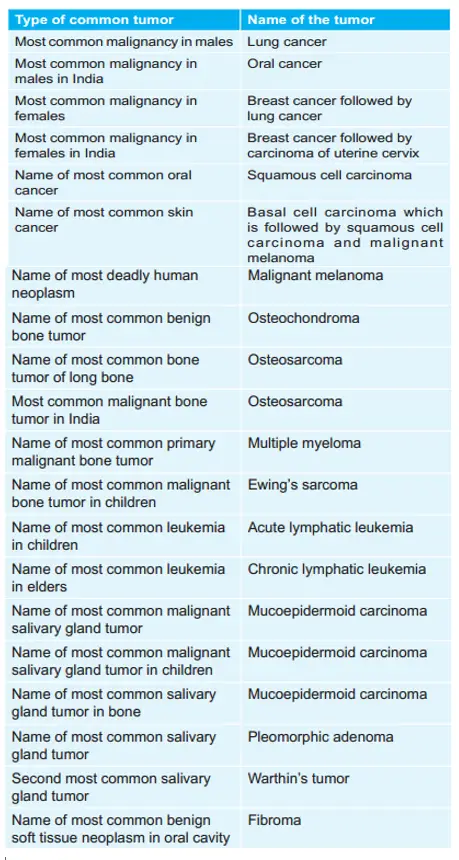
Most Common Tumors
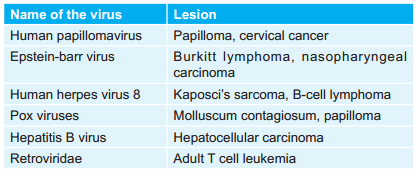
Oncogenic Viruses and Lesions caused by them
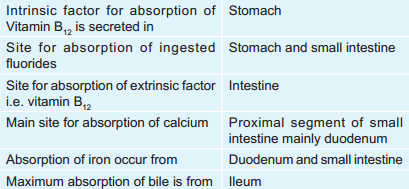
Some Facts about Iron and Vitamin B12
Types of Antigen Presenting Cells
Antigen-presenting cells are those which process antigens and have special molecules which bind to processed antigens and display them on the cell surface for T cells to recognize.
These are of two types, i.e.
- Professional antigen-presenting cells: They express MHC class 2 proteins which are required for interaction with T cells.
- Dendritic cells: Broadestrangeofantigenicpresentation
- Macrophages: They have CD4+ receptors and are susceptible to infection by HIV
- B cells: Inefficient antigen-presenting cells for most antigens
- Various activated epithelial cells
- Non-professional antigen-presenting cells: They do not express MHC class 2 proteins which are required for interaction with T cells. They get expressed only on stimulation of non-professional antigen-presenting cells by various cytokines. The cells are:
- Fibroblasts
- Thymic epithelial cells
- Thyroid epithelial cells
- Glial cells
- Pancreatic beta cells
- Vascular endothelial cells
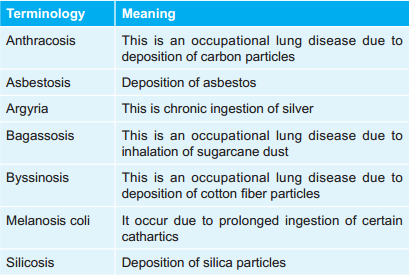
Various Terminologies
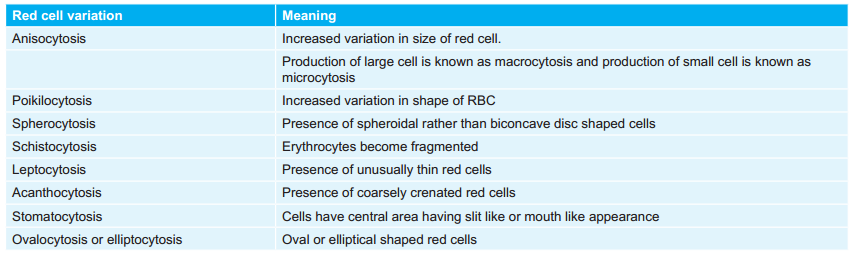
Red Cell Variations
Leave a Reply