Vitamin D and Vitamin D Functions
“What is Vitamin D? A detailed question and answers guide”
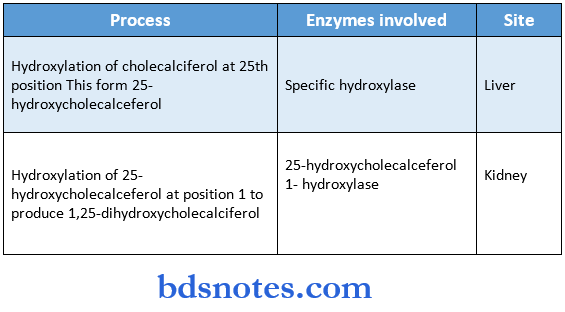
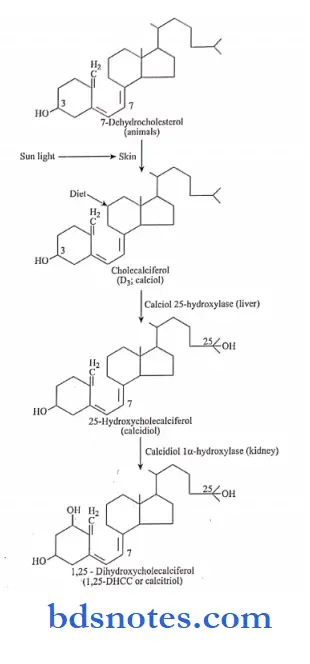
Formation of the active form of vitamin D:
- Calcitriol also called 1,25-dihydroxycholecalciferol is the active form of vitamin D
- Its synthesis requires Cytochrome, NADPH & molecular oxygen
“Understanding Vitamin D through FAQs: Composition, functions, and uses explained”
“Importance of studying Vitamin D for medical students: Questions explained”
vitamin D Deficiency:
- Vitamin D deficiency causes rickets in children & Osteomalacia in adults
- Features of it are as under:

“Common challenges in mastering Vitamin D notes effectively: FAQs provided”
vitamin D Daily requirements:
- The daily requirement of vitamin D is 400 IU
Functions Of Vitamin D
Enumerate the functions of vitamin D. Explain its importance in calcium metabolism
Answer:
Functions of vitamin D:
- Calcitriol (1,25-dihydroxycholecalciferol) is the active form of vitamin D
- Its functions are as follows:
- Increases intestinal absorption of calcium & phosphate
- Essential for bone formation
- Minimizes excretion of calcium & phosphate
“Factors influencing success with Vitamin D studies: Q&A”
Importance in calcium metabolism:
In the intestine, Calcitriol binds with a systolic receptor & forms a Calcitriol-receptor complex.
↓
This enters the nucleus & interacts with DNA
↓
This induces the synthesis of calcium-binding protein
↓
This increases calcium absorption by the intestine
↓
This increases calcium level
“Steps to explain cell types involved in Vitamin D activity: Osteoblasts vs osteoclasts: Q&A guide”
- It also promotes calcification & remodeling of bone
- It increases the mobilization of calcium & phosphate from bone
Leave a Reply