Unlocking The Secrets Of The Mitochondrion: The Powerhouse Of The Cell
“What is a mitochondrion? A detailed question and answers guide”
Mitochondria are often called the powerhouse of the cell, and for good reason. These tiny organelles play a vital role in generating energy for our cells. But there’s more to them than just energy production. In this article, we will explore the structure, function, and significance of the mitochondrion, as well as its role in health and disease, evolution, and even its presence in plant cells.
Mitochondrion Key Significance
- Mitochondria have a unique double-membrane structure that is essential for their function.
- They are crucial for producing ATP through cellular respiration and oxidative phosphorylation.
- Mitochondria are involved in various metabolic pathways that help the body utilize nutrients efficiently.
- Dysfunction in mitochondria can lead to serious health issues, including chronic diseases and aging-related problems.
- Research into mitochondria is ongoing, with potential applications in treating various diseases and improving overall health.
“Understanding mitochondria through FAQs: Composition, functions, and uses explained”
Understanding The Mitochondrial Structure
Okay, so mitochondria. Everyone calls them the powerhouse of the cell, but what does that even mean? Let’s break down the actual structure of these tiny energy factories. It’s more than just a blob; it’s a carefully organized system.
Outer Membrane Characteristics
The outer membrane is kind of like the gatekeeper. It’s a smooth membrane that surrounds the whole mitochondrion. Think of it as the outer wall of a factory. It’s got these things called porins, which are channels that let smaller molecules and ions pass through. It’s not super selective, but it does keep the big stuff out. It defines the boundary, separating the mitochondria’s inner workings from the rest of the cell. It’s important to understand that the outer membrane is the first point of contact.
Inner Membrane Functions
Now, the inner membrane is where things get interesting. Unlike the smooth outer membrane, this one is folded into cristae (more on that in a sec). This inner membrane is highly selective, controlling what gets in and out of the mitochondrial matrix. It’s packed with proteins involved in the electron transport chain and ATP synthase – the machinery that makes ATP, the cell’s energy currency. It’s like the main production line inside the factory.
Cristae And Their Importance
Cristae are the folds of the inner membrane. Imagine folding a piece of paper multiple times – that’s what cristae do inside the mitochondria. Why? Surface area! By folding the membrane, the mitochondrion can pack way more of those ATP-producing proteins into a smaller space. More surface area means more ATP production.
Think of it like adding extra assembly lines to your factory without expanding the building’s footprint. The number and shape of cristae can even vary depending on the cell’s energy needs. It’s a pretty neat adaptation. The cristae are essential for ATP production.
The structure of the mitochondrion is directly related to its function. The outer membrane provides a barrier, the inner membrane houses the energy-producing machinery, and the cristae maximize surface area for ATP synthesis. Understanding this structure is key to understanding how mitochondria power our cells.
“How do mitochondria contribute to cellular energy production? FAQ answered”
The Role of Mitochondria in Energy Production
ATP Synthesis Process
Okay, so mitochondria are like the cell’s personal power plants, and ATP is the energy currency. The whole point of mitochondria is to make ATP, which fuels pretty much everything the cell does.
It’s a complex process, but basically, it involves a bunch of enzymes and proteins working together to convert ADP (adenosine diphosphate) into ATP (adenosine triphosphate). Think of it like charging your phone – ATP is the fully charged battery, ready to power your cellular activities.
Cellular Respiration Overview
Cellular respiration? It’s how cells get energy from food. It’s not just one thing, but a series of steps. Glycolysis starts it off, then the Krebs cycle (or citric acid cycle), and finally, oxidative phosphorylation. Mitochondria are super involved in the last two steps, where most of the ATP gets made.
It’s like a well-coordinated dance, with each step passing the baton to the next to extract as much energy as possible from the food we eat.
Oxidative Phosphorylation Explained
Oxidative phosphorylation (or OXPHOS, as some people call it) is where the magic happens. It’s all about electrons moving along the electron transport chain, which is located in the inner mitochondrial membrane.
This movement creates a proton gradient, which then drives ATP synthase, an enzyme that makes ATP. It’s kind of like a dam using water flow to generate electricity. Without OXPHOS, cells wouldn’t be able to produce nearly enough ATP to function properly. It’s a pretty big deal.
Mitochondria are essential for life because they produce most of the ATP that cells need to function. Without them, cells would quickly run out of energy and die. This is why mitochondrial dysfunction can lead to so many different health problems.
Mitochondria and Cellular Metabolism
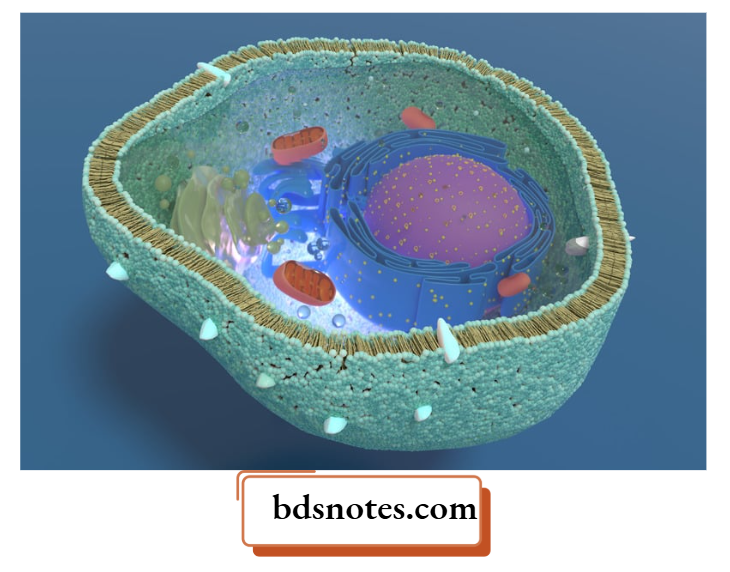
“Importance of studying mitochondria for biology students: Questions explained”
Mitochondria aren’t just about making energy; they’re deeply involved in how our cells process nutrients and manage energy flow. It’s like they’re the cell’s central processing unit for metabolism, deciding what to burn for fuel and how to use it efficiently. They’re not just power plants; they’re metabolic hubs.
Metabolic Pathways Involving Mitochondria
Mitochondria are key players in several important metabolic pathways.
Think of the citric acid cycle (also known as the Krebs cycle): it happens right inside the mitochondrial matrix. This cycle takes the products of carbohydrate, fat, and protein breakdown and further oxidizes them, releasing energy and producing electron carriers that are essential for ATP production.
They also participate in beta-oxidation of fatty acids, breaking down fats to generate energy. And they’re involved in amino acid metabolism, helping to convert amino acids into usable forms of energy or other molecules the cell needs.
It’s a whole network of interconnected reactions happening within these tiny organelles. Mitochondria play a crucial role as signaling effectors, enhancing ATP production in response to growth-promoting stimuli.
“Common challenges in mastering mitochondria notes effectively: FAQs provided”
Impact on Nutrient Utilization
How our bodies use nutrients is heavily influenced by mitochondria. They determine how efficiently we convert food into energy. For example, if mitochondria are functioning well, we’re better at burning fat for fuel. If they’re not, we might struggle to lose weight or have energy problems. Mitochondrial function affects how our bodies handle glucose, fats, and proteins. It’s not just about calories in, calories out; it’s about how well our mitochondria process those calories.
Here’s a simple breakdown:
- Carbohydrates: Broken down into glucose, which enters glycolysis and then the citric acid cycle in mitochondria.
- Fats are broken down into fatty acids, which undergo beta-oxidation in mitochondria.
- Proteins are broken down into amino acids, which can be converted into intermediates for the citric acid cycle.
Mitochondrial Flexibility in Energy Production
Mitochondria aren’t rigid; they can adapt their energy production based on what the cell needs. If the cell needs a lot of energy, mitochondria ramp up ATP production. If the cell is under stress, it might shift its metabolism to produce different molecules that help protect the cell. This flexibility is crucial for cells to survive and function in changing environments. They can switch between using glucose and fatty acids as fuel, depending on what’s available and what the cell requires. It’s like they have a built-in system for optimizing energy production based on the current situation.
Mitochondria are dynamic organelles that constantly adjust their metabolic activity to meet the energy demands of the cell. This adaptability is essential for maintaining cellular homeostasis and responding to various physiological and environmental cues.
“Why is proper understanding of mitochondria critical for diagnosing cellular disorders? Answered”
Mitochondria in Health and Disease
Mitochondria are super important for keeping us healthy, and when they don’t work right, it can lead to some serious problems. It’s like if the power plant in your town goes down – things start to fall apart pretty quickly. Let’s take a look at how these tiny powerhouses affect our well-being.
Mitochondrial Dysfunction and Its Effects
When mitochondria aren’t working properly, it’s called mitochondrial dysfunction. This can happen for a bunch of reasons, like genetic mutations or damage from toxins. The effects can be pretty wide-ranging because mitochondria are involved in so many different processes.
Here’s a quick rundown of some potential issues:
- Reduced energy production: Cells don’t get enough ATP, leading to fatigue and weakness.
- Increased oxidative stress: More free radicals can damage cells.
- Problems with calcium regulation: This can mess with cell signaling.
- Triggering of apoptosis: Premature cell death can lead to tissue damage.
Mitochondrial dysfunction can manifest in various ways, affecting different parts of the body. It’s often a complex issue with multiple contributing factors, making diagnosis and treatment challenging.
For example, mitochondrial disorders, whether inherited or acquired, play a significant role in various diseases, notably Alzheimer’s and Parkinson’s.
“Factors influencing success with mitochondria studies: Q&A”
Role in Aging and Longevity
There’s a growing belief that mitochondria play a big role in aging. As we get older, mitochondria tend to accumulate damage, which can lead to decreased energy production and increased oxidative stress. This can contribute to age-related decline and the development of diseases. Maintaining healthy mitochondria might be key to living a longer, healthier life.
Here are some ways mitochondrial health might affect aging:
- Energy levels: Efficient mitochondria can keep us feeling energetic for longer.
- Cellular repair: Healthy mitochondria support the body’s ability to repair damaged cells.
- Protection against oxidative stress: Well-functioning mitochondria can help neutralize harmful free radicals.
Mitochondria and Chronic Diseases
Mitochondrial dysfunction has been linked to a whole host of chronic diseases, including:
- Neurodegenerative diseases: Like Alzheimer’s and Parkinson’s.
- Metabolic disorder: Such as diabetes and obesity.
- Cardiovascular diseases: Including heart failure and stroke.
It’s not always clear whether mitochondrial dysfunction is a cause or a consequence of these diseases, but it’s a factor. Researchers are working hard to figure out how to target mitochondria to treat or prevent these conditions. For example, some studies suggest that certain lifestyle changes, like exercise and a healthy diet, can help improve mitochondrial function and reduce the risk of chronic diseases.
“Steps to explain cell types involved in mitochondrial activity: Muscle cells vs nerve cells: Q&A guide”
The Evolution of Mitochondria Endosymbiotic Theory
So, how did these little powerhouses end up inside our cells? The leading explanation is the endosymbiotic theory. A long, long time ago, a primitive eukaryotic cell engulfed an aerobic bacterium. Instead of digesting it, the cell and the bacterium formed a partnership. The bacterium provided energy, and the cell provided a safe home. Over eons, this bacterium evolved into what we now know as the mitochondrion. It’s a pretty wild thought, right?
- The host cell engulfed an aerobic bacterium.
- A symbiotic relationship developed.
- The bacterium evolved into the mitochondrion.
Mitochondrial DNA and Its Significance
Mitochondria have their DNA, separate from the DNA in the cell’s nucleus. This mitochondrial DNA (mtDNA) is circular, like bacterial DNA, which supports the endosymbiotic theory. MtDNA encodes for some, but not all, of the proteins needed for mitochondrial function. Most mitochondrial proteins are encoded by nuclear DNA. Also, mtDNA is passed down from mother to child. This maternal inheritance pattern is useful for tracing ancestry and studying human migration patterns.
Evolutionary Adaptations of Mitochondria
Over millions of years, mitochondria have adapted to their roles within eukaryotic cells. They’ve become highly efficient at energy production, and they’ve also developed ways to communicate with the rest of the cell. This communication is important for regulating cellular processes and responding to changes in the environment. The number of mitochondria in a cell can vary depending on the cell’s energy needs. For example, muscle cells, which require a lot of energy, have many more mitochondria than skin cells. It’s all about efficiency and adaptation.
Mitochondria are not just static organelles; they are dynamic and adaptable components of the cell. Their ability to evolve and adapt has been crucial for the evolution of complex life forms.
“Role of muscle cells in utilizing mitochondria for energy: Questions answered”
Mitochondria In Plant Cells
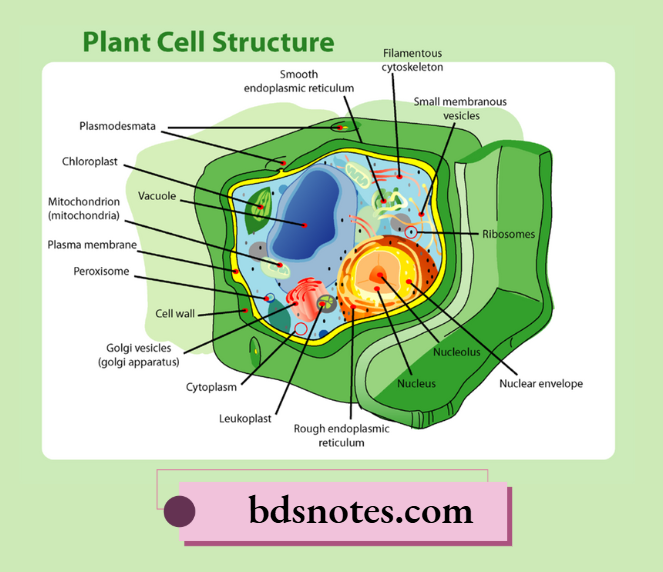
Plant cells, just like animal cells, need energy to do all sorts of things. Mitochondria are super important for making that energy. Let’s see how they work in plants.
Energy Production in Plants
Mitochondria in plant cells are the main spots for making energy. They use stuff like glucose, which plants make during photosynthesis, to power everything. It’s like they’re tiny power plants inside the cells. They also participate in calcium signaling and homeostasis in plant cells, regulating intracellular calcium levels to modulate various cellular processes, such as cell division, differentiation, and response to environmental stimuli.
Comparison with Animal Mitochondria
Plant and animal mitochondria are pretty similar, but there are some differences. For example, the cristae (the folds inside the mitochondria) can look a bit different. Plant mitochondria might have tubular or branched cristae. While plant and animal mitochondria share similar structures and functions, plant mitochondria may exhibit variations in morphology, cristae organization, and metabolic pathways.
Role in Photosynthesis
It’s easy to think that photosynthesis is the only way plants get energy, but that’s not true. Mitochondria still play a big role. They work with chloroplasts (where photosynthesis happens) to manage energy and metabolism in the cell.
They interact dynamically with other cellular organelles, such as chloroplasts, peroxisomes, and the endoplasmic reticulum, forming intricate networks involved in metabolic crosstalk, intracellular signaling, and stress responses. Sustainable agriculture is important for the future.
Mitochondria influence plant growth and development by providing energy for cellular processes, regulating hormonal signaling pathways, and participating in the biosynthesis of phytohormones. They are particularly crucial during seed germination, root and shoot growth, flowering, and fruit development.
“How do nerve cells depend on mitochondria for neurotransmitter production? FAQ explained”
Here’s a quick look at how they compare:
- Both produce ATP.
- Both have a double membrane.
- Plant mitochondria can have different cristae shapes.
Future Research Directions on Mitochondria
Mitochondria are super important, and there’s still so much we don’t know. It’s like we’ve only scratched the surface of what these tiny powerhouses can do. Future research is going to be all about digging deeper into their secrets, especially when it comes to fixing diseases and making us live longer.
Innovations in Mitochondrial Studies
We’re getting better tools all the time. Think advanced imaging techniques that let us see mitochondria in action, or new ways to edit genes that could fix broken mitochondria. These innovations are opening doors to understanding how mitochondria work in real-time and how we can manipulate them.
It’s not just about looking at them under a microscope anymore; it’s about watching them live and figuring out how to control them.
Potential Therapeutic Applications
Imagine a world where we can fix mitochondrial diseases with gene therapy or drugs that target specific problems in the mitochondria. That’s the goal. We’re talking about potential treatments for Parkinson’s, Alzheimer’s, and even cancer.
The idea is to develop personalized medicine approaches, where treatments are tailored to an individual’s specific mitochondrial issues. This could mean designing drugs that boost energy production in cells with sluggish mitochondria or preventing the buildup of harmful byproducts that damage these organelles.
“Early warning signs of undiagnosed cell type-related issues: Common questions”
Mitochondrial Biogenesis and Health
Mitochondrial biogenesis – making new mitochondria – is a hot topic. Can we boost the creation of healthy mitochondria to combat aging or disease?
Here are some questions scientists are trying to answer:
- What signals trigger mitochondrial biogenesis?
- Can we develop drugs that promote the formation of new, healthy mitochondria?
- How does exercise affect mitochondrial biogenesis, and can we mimic those effects with medication?
Wrapping Up: The Importance of Mitochondria
So, there you have it. Mitochondria are way more than just tiny parts of our cells. They’re the engines that keep everything running smoothly. Without them, our bodies would struggle to produce energy, and we wouldn’t be able to function properly. Understanding how they work helps us appreciate their role in our health and well-being.
As science keeps digging deeper, we might find even more ways to support these little powerhouses. Whether it’s through diet, exercise, or new treatments, keeping our mitochondria healthy is key to living our best lives.
Mitochondrion Frequently Asked Questions
Question 1. What is a mitochondrion?
Answer: A mitochondrion is a small part of a cell that helps produce energy. It’s often called the powerhouse of the cell because it generates most of the energy that cells need to function.
Question 2. How do mitochondria produce energy?
Answer: Mitochondria produce energy through a process called cellular respiration. They convert nutrients from food into a molecule called ATP, which cells use for energy.
Question 3. Why are mitochondria important for health?
Answer: Mitochondria are important because they provide the energy needed for cells to work properly. If mitochondria don’t function well, it can lead to health problems.
“Differential applications of conservative vs experimental analyses: Questions answered”
Question 4. Can mitochondria affect aging?
Answer: Yes, mitochondria can affect aging. As we get older, our mitochondria may become less efficient, which can contribute to signs of aging and age-related diseases.
Question 5. Do plants have mitochondria?
Answer: Yes, plants have mitochondria just like animals do. They use mitochondria to produce energy, especially when there is no sunlight for photosynthesis.
Question 6. What is mitochondrial DNA?
Answer: Mitochondrial DNA is the genetic material found in mitochondria. It is different from the DNA in the nucleus of the cell and is inherited only from the mother.
Leave a Reply