Branches Of The Lingual Artery
Above the carotid triangle:
- Lies deep to the parotid gland
- Within the gland related superficially to
- Retromandibular vein
- Facial nerve
- Deeply the artery is related to
- Internal carotid artery
- Structures passing between the external & internal carotid arteries
- Superior laryngeal nerve
- Superior cervical sympathetic ganglion
- Deeply the artery is related to
The lingual artery plays a vital role in supplying blood to the tongue and surrounding areas, making it important for both oral health and overall well-being. Understanding its anatomy and functions can help us appreciate its significance in various dental and medical contexts. In this article, we’ll break down the key aspects of the lingual artery, from its structure to its clinical implications, and highlight what you need to know about this critical vessel.
Lingual Artery Key Significance
- The lingual artery originates from the external carotid artery and follows a specific path to supply the tongue.
- It branches into several smaller arteries that nourish different parts of the tongue and oral cavity.
- Understanding the anatomy of the lingual artery is crucial for dental surgeries and other medical procedures.
- Imaging techniques can help assess the health of the lingual artery and identify potential issues.
- Research continues to explore the connections between the lingual artery and systemic health, including its role in cardiovascular conditions.
Anatomy Of The Lingual Artery
Origin and Course
Okay, so let’s talk about where the lingual artery comes from and where it goes. Basically, it’s all about blood flow to the tongue, which is pretty important. The lingual artery typically branches off the external carotid artery in the neck. Sometimes, though, it can have a slightly different starting point. It might come from a common trunk with the facial artery, which is called the faciolingual trunk.
Once it’s off and running, the lingual artery heads towards the tongue, making its way forward and medially. It ducks under the hyoid bone and then runs along the tongue’s undersurface. It’s a bit of a winding road, but it gets there.
Branches of the Lingual Artery
The lingual artery isn’t just one big pipe; it splits into smaller branches that feed different parts of the tongue and nearby areas. Here are a few of the main ones:
- Dorsal lingual branches: These guys supply the back of the tongue.
- Sublingual artery: This branch goes towards the floor of the mouth and the sublingual gland.
- Deep lingual artery: This is the terminal part of the lingual artery, and it runs along the underside of the tongue, all the way to the tip.
These branches are super important for making sure the whole tongue gets enough blood. The lingual artery’s origin can vary, impacting blood supply.
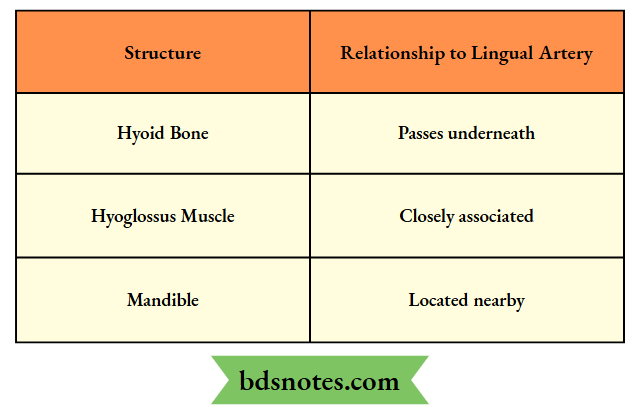
Relation to Surrounding Structures
The lingual artery doesn’t just float around in space; it’s surrounded by other important stuff. Knowing where it is in relation to these structures is key for surgeons and dentists.
- Hyoid bone: The lingual artery passes under this bone.
- Hyoglossus muscle: This muscle is closely related to the artery’s path.
- Mandible: The artery is located near the jawbone.
Understanding these relationships helps prevent accidental damage during surgery or other procedures in the area. It’s like knowing where the pipes are before you start digging – you don’t want to hit something important!
Here’s a simple table to summarize:
Function Of The Lingual Artery
Blood Supply to the Tongue
The lingual artery is really important because it’s the main source of blood for the tongue. It branches out to reach all parts of the tongue, making sure everything works right. Without enough blood, the tongue can’t do its job, which includes talking and swallowing. The terminal branch is key for the tongue’s body and tip.
Role in Oral Cavity Health
The lingual artery doesn’t just feed the tongue; it also helps keep the whole mouth healthy. Good blood flow is needed for healing and fighting off infections. If something messes with the artery, it can cause problems like slow healing after dental work or a higher risk of gum disease. Think of it as the mouth’s lifeline, keeping everything in balance.
Impact on Taste Sensation
Taste is more important than you think. The lingual artery plays a part in this because the taste buds need a good blood supply to work well. If the artery is damaged or blocked, it can affect your ability to taste things properly. This can make eating less enjoyable and even lead to nutritional problems if you’re not getting the signals from your taste buds that you need. It’s all connected, really.
Maintaining good oral health is more than just brushing your teeth. It involves ensuring that the blood vessels supplying the oral cavity, like the lingual artery, are functioning optimally. This supports not only the health of the tongue but also the overall well-being of the mouth, affecting everything from taste to healing processes.
Clinical Significance Of The Lingual Artery

The lingual artery isn’t just some anatomical feature; it plays a big role in various clinical scenarios. Problems with it can lead to serious issues, and understanding its significance is important for doctors and dentists alike.
Common Disorders and Conditions
Several conditions can affect the lingual artery, leading to complications. Here are a few:
- Atherosclerosis: Like other arteries, the lingual artery can develop plaque, narrowing the vessel and reducing blood flow.
- Trauma: Injuries to the head and neck can damage the lingual artery, causing bleeding and potentially compromising blood supply to the tongue. If you’re a neurosurgeon, you need to understand the angiographic anatomy.
- Aneurysms: Although rare, aneurysms (bulges in the artery wall) can occur in the lingual artery, posing a risk of rupture and hemorrhage.
Surgical Considerations
Surgeons need to be very aware of the lingual artery’s location and variations during procedures in the head and neck region. Accidental damage to the artery can lead to significant bleeding and complications. Here’s why it matters:
- Neck Dissections: During neck dissections for cancer treatment, the lingual artery may need to be ligated (tied off) or preserved, depending on the extent of the surgery.
- Tongue Surgery: Procedures involving the tongue, such as tumor removal, require careful attention to the lingual artery to avoid compromising blood supply to the remaining tissue.
- Reconstructive Surgery: In reconstructive procedures, the lingual artery can be used as a recipient vessel for free flaps, providing blood supply to transplanted tissue.
Implications in Dental Procedures
Even dentists need to know about the lingual artery, especially when performing certain procedures:
- Dental Implants: In the posterior mandible (lower jaw), the lingual artery can be close to the implant site, increasing the risk of bleeding during implant placement.
- Extractions: During tooth extractions, especially of lower molars, the lingual artery can be injured if proper surgical technique isn’t followed.
- Local Anesthesia: While rare, injections of local anesthesia in the floor of the mouth can inadvertently damage the lingual artery, leading to hematoma formation.
The lingual artery’s proximity to vital structures in the oral cavity means that any intervention in this area carries a risk of injury. Careful planning, meticulous surgical technique, and a thorough understanding of the artery’s anatomy are essential to minimize complications and ensure patient safety.
Diagnostic Techniques Involving The Lingual Artery

Imaging Modalities
When doctors need to look at the lingual artery, they have a few options. Things like ultrasounds are pretty common because they’re non-invasive and can show blood flow. CT scans and MRIs give more detailed pictures, which is helpful for seeing the artery’s structure and any problems around it. Angiography, where they inject dye, is used when they need a really clear view, especially before surgery. Each method has its pros and cons, depending on what they’re trying to find.
Assessment of Blood Flow
Checking the blood flow in the lingual artery is super important. If there’s a blockage or narrowing, it can cause problems. Doctors use things like Doppler ultrasound to measure the speed and direction of blood flow. This can help them spot issues early on. Reduced blood flow might mean there’s a problem that needs attention.
Here’s a quick look at some methods:
- Doppler Ultrasound: Measures blood flow speed.
- CT Angiography: Uses CT scans with contrast dye to visualize blood vessels.
- MRI Angiography: Uses MRI to create detailed images of blood vessels.
Identifying Pathologies
Spotting problems with the lingual artery early can make a big difference. Imaging can help find things like aneurysms (bulges in the artery wall) or atherosclerosis (plaque buildup). Catching these issues early can prevent serious complications. For example, if a doctor suspects a tumor is affecting the artery, imaging can help confirm it and plan treatment. Early diagnosis of oral potentially malignant lesions is key.
Imaging techniques play a vital role in diagnosing lingual artery pathologies. They help doctors visualize the artery, assess blood flow, and identify any abnormalities. This information is crucial for planning appropriate treatment and preventing complications.
Variations In Lingual Artery Anatomy
It’s interesting how the human body isn’t always the same from person to person, and the lingual artery is no exception. There can be quite a bit of variation in where it starts, how it runs, and what branches it has. These differences are important, especially when planning surgeries or other medical procedures in the area.
Anatomical Variants
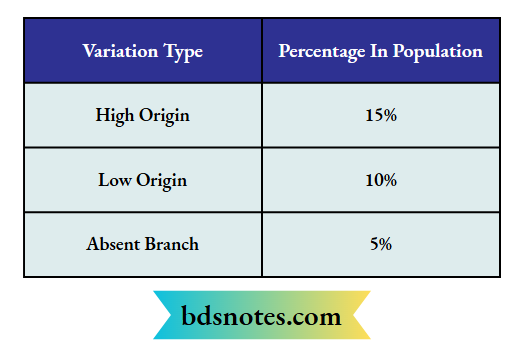
The lingual artery’s origin can be different. Usually, it comes from the external carotid artery, but sometimes it might branch off from a different spot. The path it takes to get to the tongue can also vary; it might be higher or lower in the neck than expected. The number and size of its branches can also differ. Some people might have a larger dorsal lingual branch, while others have a smaller one, or even none at all. These anatomical variants are more common than you might think.
Implications for Surgery
Knowing about these possible variations is super important for surgeons. If a surgeon isn’t aware that someone’s lingual artery is in an unusual spot, they could accidentally damage it during a procedure. This could lead to bleeding or other complications. Pre-operative imaging can help identify these variations ahead of time, allowing the surgeon to plan accordingly and avoid problems.
Population Studies
Researchers have done studies to see how common these variations are in different groups of people. These studies use imaging techniques like CT scans or MRIs to look at the lingual arteries of many individuals. The results can show whether certain variations are more common in some populations than others. This information can be helpful for surgeons who work with diverse patient groups.
Understanding the range of possible anatomical variations in the lingual artery is vital for medical professionals. This knowledge aids in safer and more effective surgical planning, minimizing risks and improving patient outcomes. Further research in this area continues to refine our understanding and improve clinical practices.
Here’s a simple example of how variation might be distributed (this is purely illustrative):
Lingual Artery and Systemic Health
Connection to Cardiovascular Health
The lingual artery, while seemingly localized to the oral cavity, has connections to overall cardiovascular health. Atherosclerosis, a condition affecting arteries throughout the body, can also impact the lingual artery. This can reduce blood flow to the tongue and surrounding tissues. It’s like a warning sign; if there’s trouble in a smaller artery, there might be similar issues elsewhere in the circulatory system. Think of it as a piece of the bigger puzzle that is your heart health.
Impact on Systemic Diseases
Certain systemic diseases can manifest in the oral cavity, and the lingual artery’s health can be an indicator. For example:
- Diabetes can impair blood vessel function, affecting the lingual artery and leading to poor healing after dental procedures.
- Autoimmune diseases, like Sjogren’s syndrome, can reduce saliva production, indirectly impacting the lingual artery’s role in maintaining oral health.
- Cardiovascular diseases can directly affect the lingual artery through atherosclerosis or other vascular complications.
Monitoring the lingual artery can provide insights into the progression or management of these systemic conditions. It’s not just about the mouth; it’s about the whole body.
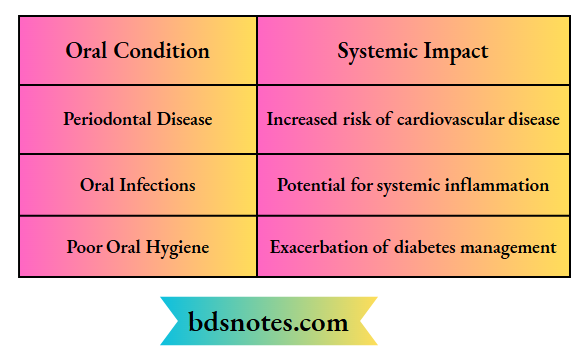
Oral-Systemic Health Link
The oral-systemic link emphasizes the connection between oral health and overall health. The lingual artery plays a vital role in this connection. Inflammation in the mouth, potentially due to poor oral hygiene or periodontal disease, can release inflammatory substances into the bloodstream. These substances can then contribute to systemic inflammation and potentially affect cardiovascular health. The lingual artery, as a major blood vessel in the oral cavity, is directly involved in this process. It’s a two-way street; what happens in the mouth can affect the rest of the body, and vice versa.
Here’s a simple table illustrating the connection:
Research Trends Related To The Lingual Artery
Recent Studies and Findings
Okay, so what’s new with the lingual artery? Turns out, quite a bit! Recent studies are really focusing on how the lingual artery’s anatomy varies from person to person. It’s not a one-size-fits-all situation, and that has big implications for surgery and other medical procedures. For example, one study looked at the location of lingual foramina using fancy Cone Beam Computed Tomography.
Here’s a quick look at some areas getting attention:
- 3D modeling for surgical planning: Doctors are using 3D models to plan surgeries around the lingual artery, trying to avoid accidental damage.
- Better imaging techniques: New imaging methods are helping us see the artery more clearly than ever before.
- Understanding variations: Researchers are mapping out all the different ways the artery can branch and curve.
Future Directions in Research
Looking ahead, there’s a lot of excitement about where lingual artery research is headed. One major area is personalized medicine. The idea is to tailor treatments based on each person’s unique anatomy. This could mean safer surgeries and more effective treatments for oral health problems.
Some key areas for future research include:
- Developing less invasive surgical techniques.
- Using artificial intelligence to analyze lingual artery images.
- Studying the artery’s role in systemic diseases.
Innovations in Treatment Approaches
Treatment approaches are also evolving. We’re seeing new ways to deal with problems related to the lingual artery. For instance, there’s growing interest in using minimally invasive techniques to repair damaged arteries. Also, researchers are exploring new drugs that can help improve blood flow in the tongue and oral cavity.
It’s all about finding better, safer, and more effective ways to keep the lingual artery healthy. This means less pain, faster recovery times, and better overall oral health for patients. The future looks bright!
Wrapping It Up
In summary, the lingual artery plays a big role in keeping our mouths healthy. It supplies blood to important areas like the tongue and floor of the mouth, which are crucial for functions like speaking and eating. Understanding its anatomy helps us appreciate how interconnected our body systems are. If something goes wrong with this artery, it can lead to issues that affect oral health. So, whether you’re a dental professional or just someone curious about your body, knowing about the lingual artery is pretty important. It’s all about keeping that smile bright and healthy!
Lingual Artery Frequently Asked Questions
Question 1. What Is The Lingual Artery?
Answer: The lingual artery is a blood vessel that supplies blood to the tongue and parts of the mouth.
Question 2. Where Does The Lingual Artery Come From?
Answer: It originates from the external carotid artery, which is a major artery in the neck.
Question 3. Why Is The Lingual Artery Important For Oral Health?
Answer: It provides the necessary blood supply to the tongue, which is vital for taste and overall mouth health.
Question 4. Can Problems With The Lingual Artery Affect My Health?
Answer: Yes, issues with this artery can lead to problems in the tongue, affecting taste and possibly causing pain.
Question 5. How Can Doctors Check The Health Of The Lingual Artery?
Answer: Doctors can use imaging tests like ultrasound or CT scans to look at the lingual artery.
Question 6. Are There Any Variations In The Anatomy Of The Lingual Artery?
Answer: Yes, some people may have different shapes or sizes of the lingual artery, which can affect surgery or dental work.
Leave a Reply