Understanding the Difference Between Tachycardia and Bradycardia: Key Insights for Heart Health
“What is the difference between tachycardia and bradycardia? A detailed question and answers guide”
1. Atrial fibrillation:
- In this, the atria shows irregular and rapid beats.
- Rate reaches 300-400 beats/minute.
Cause:
- Due to circus movement of impulses within atrial musculature.
2. Ventricular fibrillation:
- In this, ventricles beat very rapidly and irregularly.
- Rate reaches 400-500 beats/minute.
Cause:
- Circus movement of impulses within ventricular, musculature.
“Understanding tachycardia and bradycardia through FAQs: Causes, symptoms, and treatments explained”
Tachycardia and bradycardia.
When it comes to heart health, understanding how your heart functions is key. Two common conditions that can affect heart rate are tachycardia and bradycardia. While they both relate to heart rate, they represent opposite ends of the spectrum—one being too fast and the other too slow. This article aims to clarify the difference between tachycardia and bradycardia, helping you recognize symptoms, causes, and treatment options for each condition. Knowing these differences can be crucial for maintaining your heart’s well-being.
Atrial Fibrillation Significance
- Tachycardia is a fast heart rate, typically over 100 beats per minute, while bradycardia is a slow heart rate, generally under 60 beats per minute.
- Symptoms of tachycardia include palpitations, dizziness, and chest pain, whereas bradycardia may cause fatigue, weakness, and fainting.
- Causes of tachycardia can range from stress and anxiety to underlying heart conditions, while bradycardia can be linked to medications and health issues like sleep apnea.
- Monitoring your heart rate is essential; knowing what’s normal for you can help catch potential issues early.
- Both conditions can be managed through lifestyle changes, medications, or in some cases, surgery, depending on their severity.
Understanding Heart Rate Variations
Normal Heart Rate Ranges
Okay, so what’s normal when it comes to heart rate? It’s not a one-size-fits-all thing. A typical resting heart rate for adults falls somewhere between 60 and 100 beats per minute (bpm). But, that’s just a general guideline. Age plays a big role. Infants, for example, have much faster heart rates, often between 120 and 160 bpm, because their bodies are growing so rapidly. As we get older, things tend to slow down a bit. Even fitness level matters; athletes often have lower resting heart rates, sometimes as low as 40 bpm, because their hearts are super efficient. It’s all about how well your heart pumps blood. Knowing your normal heart rate is the first step in understanding your heart health.
“How do tachycardia and bradycardia affect heart health? FAQ answered”
When to Seek Medical Attention
It’s important to know when a weird heart rate is just a temporary thing and when it’s a sign of something more serious. If your heart rate is consistently above 100 bpm (tachycardia) or below 60 bpm (bradycardia) at rest, it’s worth getting checked out. Don’t panic, but don’t ignore it either. Other red flags include palpitations (that feeling of your heart racing or fluttering), dizziness, shortness of breath, chest pain, or fainting. These symptoms, especially when they happen together, could indicate a problem that needs medical attention. It’s always better to be safe than sorry when it comes to your heart.
The Importance of Monitoring Heart Rate
Keeping an eye on your heart rate is a simple way to stay informed about your overall health. It’s like checking the engine of your car – it gives you a sense of how things are running. Regular monitoring can help you spot potential problems early on, before they become serious. Plus, it can give you insights into how your body responds to different activities and stressors. For example, you might notice that your heart rate spikes when you’re stressed or after drinking caffeine. This information can help you make lifestyle changes to better manage your heart health. Monitoring your heart rate doesn’t have to be complicated; there are plenty of apps and devices that make it easy to track your pulse throughout the day.
“Importance of studying tachycardia and bradycardia for medical students: Questions explained”
Monitoring your heart rate is a simple yet powerful way to stay on top of your heart health. Recognizing abnormal rates early on can help prevent serious complications, making it essential to consult a cardiologist if you notice any irregularities. The normal rate of heaving is believed to indicate the heart’s efficiency, while variation could be a sign of early complications.
Defining Tachycardia And Bradycardia

“Common challenges in mastering tachycardia and bradycardia notes effectively: FAQs provided”
What Is Tachycardia?
Tachycardia is when your heart beats too fast. Generally, this means a heart rate over 100 beats per minute at rest. It’s not always a bad thing; your heart rate naturally increases when you exercise or feel stressed. But when your heart races for no clear reason, it could signal an issue. Tachycardia can be caused by things like:
- Anxiety or stress
- Too much caffeine or alcohol
- Underlying medical conditions
What Is Bradycardia?
Bradycardia is the opposite of tachycardia; it’s when your heart beats too slowly. For adults, this usually means a heart rate below 60 beats per minute. Now, a slow heart rate isn’t always a problem. Athletes, for example, often have lower resting heart rates because their hearts are very efficient. However, if bradycardia causes symptoms like dizziness or fatigue, it needs to be checked out. Some potential causes of bradycardia include:
- Certain medications, like beta-blockers
- Problems with the heart’s electrical system
- Underlying health conditions, such as hypothyroidism
Key Differences in Definitions
The main difference is simple: speed. Tachycardia is a fast heart rate, while bradycardia is a slow one. But it’s not just about the numbers. It’s about what’s normal for you and whether the change in heart rate is causing any symptoms or arrhythmia. Here’s a quick comparison:
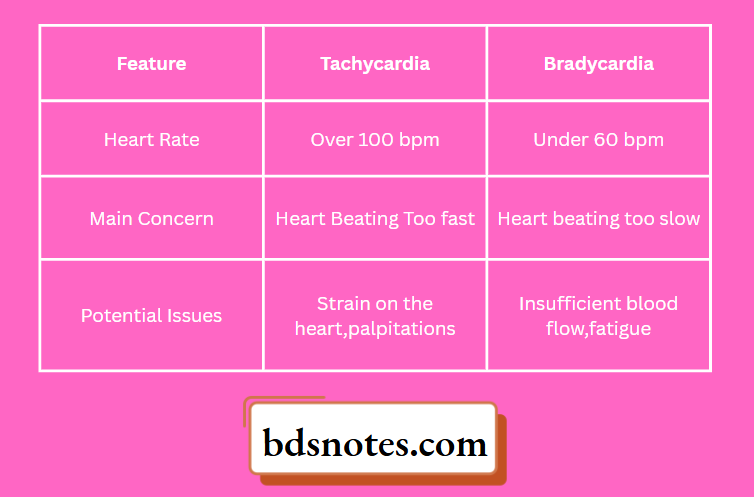
“Why is proper understanding of tachycardia and bradycardia critical for diagnosing arrhythmias? Answered”
It’s important to remember that both tachycardia and bradycardia can be normal in certain situations. However, if either condition is persistent or causing symptoms, it’s crucial to seek medical advice. Ignoring these issues could lead to more serious heart problems down the road.
Tachycardia And Bradycardia – What’S The Difference?
Symptoms of Tachycardia
Common Symptoms to Watch For
So, you think your heart might be beating too fast? Well, let’s talk about what that might feel like. Tachycardia, as you probably know by now, is when your heart rate is consistently over 100 beats per minute at rest. But it’s not just about the numbers; it’s about how you feel.
Here’s a rundown of common symptoms:
- Palpitations: This is probably the most common one. It feels like your heart is racing, fluttering, or pounding in your chest. It can be pretty unnerving.
- Chest discomfort: Some people describe it as tightness or pressure. It’s not always severe pain, but it’s definitely something you’d notice.
- Shortness of breath: Feeling like you can’t catch your breath, even when you’re just sitting still.
- Dizziness or lightheadedness: This happens because your heart isn’t pumping blood as efficiently as it should.
- Fatigue: Just feeling super tired, even after a good night’s sleep.
- Sweating: Excessive sweating, especially when it’s not hot or you haven’t been exercising.
When Symptoms Indicate a Problem
Okay, so you’ve got some of these symptoms. When should you actually be concerned? It’s important to pay attention to how often these symptoms occur and how severe they are. If you experience these symptoms frequently, or if they’re intense, it’s time to get checked out.
If you’re having chest pain, severe shortness of breath, or fainting spells, don’t wait. Get medical help immediately. These could be signs of a serious problem.
Long-Term Effects of Untreated Tachycardia
Ignoring tachycardia isn’t a great idea. Over time, a consistently fast heart rate can lead to some serious problems. Your heart is working harder than it should, and that can take a toll. Here’s what can happen if tachycardia goes untreated:
- Heart failure: Your heart muscle can weaken and become less efficient at pumping blood.
- Stroke: Blood clots can form and travel to your brain, causing a stroke.
- Sudden cardiac arrest: In rare cases, tachycardia can lead to a sudden, life-threatening heart rhythm.
- Increased risk of blood clots: The heart not pumping efficiently can cause blood to pool and clot.
So, yeah, it’s worth getting it checked out. Don’t ignore those weird heart flutters!
Tachycardia And Bradycardia Explained
Symptoms of Bradycardia

“Factors influencing success with heart rhythm studies: Q&A”
Recognizing Bradycardia Symptoms
Bradycardia, characterized by a slow heart rate (typically below 60 bpm), doesn’t always present obvious symptoms. In fact, some people, especially athletes, may naturally have a lower heart rate without experiencing any issues. However, when bradycardia prevents the body from getting enough oxygen-rich blood, symptoms can arise. These symptoms can vary in intensity and may include fatigue, dizziness, and shortness of breath.
Here’s a list of common symptoms:
- Feeling unusually tired or weak, even after rest.
- Experiencing dizziness or lightheadedness, sometimes leading to fainting.
- Having difficulty concentrating or feeling confused.
- Shortness of breath, especially during physical activity.
- Chest pain or discomfort.
Potential Complications
If left untreated, bradycardia can lead to several complications. One of the most concerning is frequent fainting spells, which can result in injuries from falls. In severe cases, persistent bradycardia can contribute to high blood pressure or even heart failure, as the heart struggles to pump enough blood to meet the body’s needs. It’s important to monitor for bradycardia symptoms and seek medical attention if they become frequent or severe.
Bradycardia can sometimes be subtle, with symptoms that are easily dismissed as normal fatigue or aging. However, it’s important to pay attention to these signs, especially if they are new or worsening. Early detection and management can help prevent more serious complications.
Heart Rate Conditions – Tachycardia And Bradycardia
Impact on Daily Life
The impact of bradycardia on daily life can range from mild inconvenience to significant disability. Simple activities like climbing stairs or walking can become challenging due to shortness of breath and fatigue. Dizziness and lightheadedness can make it difficult to concentrate at work or school, and the fear of fainting can limit social activities. The severity of the impact depends on the underlying cause of the bradycardia and the individual’s overall health. For example, the impact of medications can be a contributing factor. In some cases, lifestyle adjustments and medical interventions may be necessary to improve quality of life.
“Steps to explain causes of tachycardia and bradycardia: Electrical disturbances vs structural issues: Q&A guide”
Causes of Tachycardia
So, your heart’s been racing, huh? Faster than it should be? Tachycardia, that’s what they call it. It’s not always a big deal, but sometimes it can point to something more serious. Let’s look at what might be making your heart go into overdrive.
Physical and Emotional Triggers
Okay, first things first: stress and anxiety. We all get stressed, right? But when you’re super anxious, your body dumps adrenaline into your system. Adrenaline is like a shot of espresso for your heart, making it beat faster. Physical stuff can do it too. Think about when you’re working out – your heart rate goes up because your body needs more oxygen. But sometimes, even simple things like standing up too fast can trigger a racing heart.
- Stress
- Anxiety
- Exercise
Medical Conditions Linked to Tachycardia
Sometimes, tachycardia isn’t just about stress; it’s a sign of something else going on in your body. Thyroid problems are a big one. If your thyroid is overactive (hyperthyroidism), it can mess with your heart rate. Heart conditions themselves, like atrial fibrillation or even just plain old heart failure, can also cause tachycardia. And don’t forget anemia – when you don’t have enough red blood cells, your heart has to work harder to get oxygen around, which can lead to a faster heartbeat.
“Role of electrical disturbances in triggering tachycardia: Questions answered”
Medications That May Cause Tachycardia
Believe it or not, some of the meds you’re taking could be speeding up your heart. Asthma medications, for example, can sometimes have that effect. Even some over-the-counter cold medicines can do it because they contain stimulants. And if you’re on anything for your thyroid, that could also be a culprit. Always a good idea to double-check with your doctor or pharmacist about side effects, especially if you’re already prone to a racing heart.
It’s important to remember that everyone is different. What triggers tachycardia in one person might not affect another. If you’re concerned about your heart rate, it’s always best to talk to a doctor. They can help you figure out what’s going on and what you can do about it.
Causes of Bradycardia
Bradycardia, a slower than normal heart rate, can stem from various underlying issues. While a low heart rate is normal for athletes, it can be problematic for others. Let’s explore some common causes.
Underlying Health Conditions
Several health conditions can mess with your heart’s rhythm and lead to bradycardia. One of the most common is sick sinus syndrome, where the heart’s natural pacemaker (the sinus node) doesn’t work correctly. Other conditions include:
- Heart block: Disrupts electrical signals.
- Hypothyroidism: An underactive thyroid can slow down many body functions, including heart rate.
- Sleep apnea: Repeated breathing interruptions during sleep can lead to temporary drops in heart rate.
“How do structural issues contribute to bradycardia? FAQ explained”
Impact of Medications
Certain medications can also contribute to bradycardia as a side effect. It’s always a good idea to review your medications with your doctor, especially if you’re experiencing symptoms of a slow heart rate. Some common culprits include:
- Beta-blockers: Often prescribed for high blood pressure.
- Calcium channel blockers: Used for high blood pressure and other heart conditions.
- Digoxin: Used to treat heart failure and irregular heartbeats.
Lifestyle Factors Contributing to Bradycardia
Believe it or not, lifestyle choices can also play a role in your heart rate. While these factors might not be the sole cause of bradycardia, they can certainly contribute:
- High fitness level: Athletes often have lower resting heart rates.
- Vagal nerve stimulation: This nerve can slow heart rate when stimulated.
- Electrolyte imbalances: Low potassium or calcium levels can affect heart function.
It’s important to remember that bradycardia isn’t always a cause for concern. However, if you’re experiencing symptoms like dizziness, fatigue, or shortness of breath, it’s best to consult with a healthcare professional to determine the underlying cause and appropriate treatment.
“Early warning signs of undiagnosed cause-related issues: Common questions”
Treatment Options for Tachycardia
Lifestyle Changes and Management
Sometimes, managing tachycardia can start with simple changes to your daily routine. It’s not always about medication or surgery; sometimes, it’s about tweaking your habits to support a healthier heart. For example, managing stress is a big one. Things like yoga, meditation, or even just taking a few minutes each day for deep breathing can make a difference. Also, what you eat and drink plays a role. Cutting back on caffeine and alcohol can help regulate your heart rate. Regular physical activity is important too, but it’s best to talk to your doctor about what’s safe for you. Staying hydrated is also key; dehydration can sometimes trigger a faster heartbeat. These lifestyle adjustments can be surprisingly effective in managing stress management and preventing episodes of tachycardia.
Medications for Tachycardia
When lifestyle changes aren’t enough, medications can help control a rapid heart rate. Several types of drugs are used, and the choice depends on the type of tachycardia you have and any other health conditions you might have. Beta-blockers are common; they slow down the heart rate and reduce blood pressure. Antiarrhythmics are another option; these drugs help restore a normal heart rhythm. Calcium channel blockers can also be used to slow the heart rate. It’s important to take these medications exactly as prescribed and to talk to your doctor about any side effects you experience. Finding the right medication and dosage can take some time, but it can make a big difference in managing your symptoms. Adenosine is often the first choice for acute episodes, especially when atrioventricular node involvement is suspected.
“Differential applications of conservative vs experimental analyses: Questions answered”
Surgical Interventions
In some cases, surgery might be necessary to treat tachycardia, especially if medications aren’t effective or if the tachycardia is caused by a specific heart problem. One common procedure is catheter ablation. This involves threading a thin tube through a blood vessel to the heart. Once there, the doctor uses energy to destroy the small area of heart tissue that’s causing the abnormal heart rhythm. Another option is a surgical procedure to implant a pacemaker or an implantable cardioverter-defibrillator (ICD). A pacemaker helps regulate the heart rate, while an ICD can deliver an electrical shock to restore a normal rhythm if the heart beats too fast or irregularly. These surgical options are usually considered when other treatments haven’t worked, and they can significantly improve the quality of life for people with severe tachycardia.
It’s important to remember that everyone’s situation is unique, and the best treatment plan will depend on your specific type of tachycardia, your overall health, and your preferences. Talk to your doctor about all your options and work together to find the best approach for you.
Treatment Options for Bradycardia
Monitoring and Observation
Sometimes, mild bradycardia doesn’t need immediate treatment. If you’re not experiencing significant symptoms, your doctor might just recommend regular check-ups to keep an eye on your heart rate. This is especially true if the slow heart rate is due to something temporary or reversible. Regular monitoring can help determine if the condition is stable or progressing, and whether further intervention is needed. It’s all about keeping a close watch and being proactive.
Medications to Manage Bradycardia
While there aren’t many medications specifically designed to increase heart rate, some drugs can help manage the symptoms or underlying causes of bradycardia. For example, if a medication you’re taking is causing your heart rate to slow down, your doctor might adjust the dosage or switch you to a different drug. In some cases, medications like atropine can be used temporarily to increase heart rate in emergency situations. However, these are usually short-term solutions. It’s important to discuss all your medications with your doctor to identify potential contributors to bradycardia.
“Can preventive measures reduce risks of dysfunction? FAQs provided”
When Surgery Is Necessary
For more severe cases of bradycardia, especially those caused by problems with the heart’s electrical system, surgery might be necessary. The most common surgical intervention is the implantation of a pacemaker. A pacemaker is a small device that’s placed under the skin, usually near the collarbone, and it sends electrical signals to your heart to help it beat at a normal rate.
Pacemakers are generally recommended when bradycardia is causing significant symptoms or when there’s a high risk of complications. The procedure to implant a pacemaker is usually minimally invasive, and most people can return to their normal activities within a few weeks. Regular follow-up appointments are needed to ensure the pacemaker is working correctly and to adjust the settings as needed. For some, a permanent pacemaker is the best solution.
Here are some reasons why surgery might be necessary:
- Significant symptoms like fainting or dizziness
- Underlying heart conditions causing severe bradycardia
- Medications are ineffective or not an option
Keeping an eye on your heart rate is a smart move for your overall health. Spotting any unusual changes early can help you avoid bigger issues down the line. If you notice your heart racing or slowing down too much, it’s a good idea to chat with a doctor. Understanding the signs of tachycardia and bradycardia, along with their causes, can really help you steer clear of serious heart problems. Whether it’s through better eating habits, regular exercise, or medications, managing your heart rate is key to staying healthy.
Frequently Asked Questions
What is tachycardia?
Tachycardia is when your heart beats faster than normal, usually over 100 beats per minute while at rest.
What is bradycardia?
Bradycardia is when your heart beats slower than normal, typically below 60 beats per minute.
What causes tachycardia?
Tachycardia can be caused by stress, anxiety, certain medications, or health issues like heart disease.
“Asymptomatic vs symptomatic effects of delayed interventions: Answered”
What causes bradycardia?
Bradycardia can happen due to health conditions, certain medications, or even being very fit, like in athletes.
How can I tell if I have tachycardia or bradycardia?
You may notice symptoms like a racing heart for tachycardia or feeling dizzy and tired for bradycardia. It’s best to see a doctor for a proper check.
What treatments are available for these conditions?
Tachycardia may be treated with lifestyle changes or medications, while bradycardia might need monitoring or sometimes a pacemaker.
Leave a Reply