Understanding the Components of Electron Transport Chain: A Comprehensive Guide
“What is the electron transport chain? A detailed question and answers guide”
The electron transport chain (ETC) is a critical part of cellular respiration, where energy stored in nutrients is converted into usable energy in the form of ATP. This process occurs in the inner membrane of mitochondria in eukaryotic cells and involves a series of protein complexes and electron carriers. Understanding the components of the electron transport chain is key to grasping how our cells generate energy and what happens when these processes go awry. In this guide, we’ll break down the main components of the electron transport chain and their functions in a straightforward way.
Electron Transport Chain Key Significance
- The electron transport chain is essential for ATP production during cellular respiration.
- It consists of four main protein complexes that facilitate electron transfer and proton pumping.
- Key electron carriers include coenzyme Q and cytochrome c, which help shuttle electrons between complexes.
- The process creates a proton gradient that drives ATP synthesis via ATP synthase.
- Dysfunction in the electron transport chain can lead to various health issues, highlighting its clinical significance.
Overview of Electron Transport Chain
Definition and Function
The electron transport chain (ETC) is a series of protein complexes embedded in the inner mitochondrial membrane (in eukaryotes) or the plasma membrane (in prokaryotes). Its primary function is to facilitate the transfer of electrons from electron donors to electron acceptors via redox reactions, and this process is coupled with the pumping of protons across the membrane to create an electrochemical gradient. This gradient then drives the synthesis of ATP, the cell’s main energy currency. Think of it like a tiny, highly organized assembly line where electrons are passed down the line, each step releasing a bit of energy that’s used to power the next stage.
Importance in Cellular Respiration
The ETC is essential for cellular respiration because it’s where the majority of ATP is produced. Glycolysis and the citric acid cycle generate some ATP directly, but their main contribution is in producing NADH and FADH2. These molecules then donate their electrons to the ETC, which uses the energy released to pump protons and ultimately generate a large amount of ATP through oxidative phosphorylation. Without the ETC, cells would be severely limited in their ability to produce energy, and life as we know it wouldn’t be possible.
“Understanding the electron transport chain through FAQs: Composition, functions, and uses explained”
Location in Eukaryotic Cells
In eukaryotic cells, the electron transport chain is located in the inner mitochondrial membrane. This location is crucial because it allows for the creation of a proton gradient between the intermembrane space and the mitochondrial matrix. The inner mitochondrial membrane is highly folded into cristae, which increases its surface area and allows for more ETC complexes to be embedded, maximizing ATP production. The spatial arrangement is key to the ETC’s function, ensuring that the proton gradient can be efficiently established and utilized.
The ETC’s location within the mitochondria is not arbitrary; it’s a carefully designed system that maximizes efficiency. The folding of the inner membrane into cristae increases the surface area available for electron transport, and the compartmentalization allows for the precise control of proton gradients, which are essential for ATP synthesis.
Key Protein Complexes

“Importance of studying the electron transport chain for biology students: Questions explained”
The electron transport chain isn’t just a bunch of loose parts floating around. It’s organized into several key protein complexes embedded in the inner mitochondrial membrane. These complexes work together to shuttle electrons and pump protons, ultimately leading to ATP production. Let’s take a closer look at each one.
Complex I: NADH Dehydrogenase
Complex I, also known as NADH:ubiquinone oxidoreductase, is the entry point for electrons from NADH. It’s a huge protein, made up of many different subunits. Think of it as the gateway to the whole electron transport party. It accepts electrons from NADH, oxidizing it to NAD+, and then passes those electrons to coenzyme Q (ubiquinone). This process also involves pumping four protons across the inner mitochondrial membrane, contributing to the proton gradient. Inhibitors like rotenone can block CoQ binding site, shutting down the whole process.
Complex II: Succinate Dehydrogenase
Complex II is a bit different. It’s also known as succinate dehydrogenase, and it’s actually part of the citric acid cycle. It directly receives FADH2, which doesn’t go through Complex I. This means that electrons entering through Complex II contribute less to the proton gradient, resulting in fewer ATP molecules being produced. The electrons from FADH2 are transferred to ubiquinone, which then passes them along to Complex III.
What Is Electron Transport Chain
Complex III: Cytochrome bc1 Complex
Complex III, or cytochrome bc1 complex, takes electrons from ubiquinol (QH2) and passes them to cytochrome c. This complex also pumps protons across the inner mitochondrial membrane, further contributing to the proton gradient. It contains cytochrome proteins, which use heme groups to carry electrons. Cytochrome c is a small protein that acts as a mobile electron carrier, shuttling electrons from Complex III to Complex IV. The complex is composed of cytochrome b, another Fe-S protein, Rieske center (2Fe-2S center), and cytochrome c proteins; this complex is also called cytochrome oxidoreductase.
Complex IV: Cytochrome c Oxidase
Complex IV, also known as cytochrome c oxidase, is the final electron acceptor in the chain. It accepts electrons from cytochrome c and uses them to reduce molecular oxygen (O2) to water (H2O). This is a critical step, as it prevents the buildup of toxic oxygen radicals. Complex IV also pumps protons across the membrane, adding to the proton gradient. It’s a large complex with multiple subunits, including cytochromes a and a3, and copper centers. The complex has two molecules of heme, two cytochromes (a and a3), and two copper centers (called CuA ad CuB). Cytochrome c docks near the CuA and donates an electron to it. The reduced CuA passes the electron to cytochrome a, which turns it over to the a3-CuB center where the oxygen is reduced. The four electrons are thought to pass through the complex rapidly resulting in complete reduction of the oxygen-oxygen molecule without formation of a peroxide intermediate or superoxide, in contrast to previous predictions.
It’s worth noting that some researchers believe that Complexes I, III, and IV can associate to form a larger structure called the respirasome. This supercomplex might improve the efficiency of electron transfer and reduce the production of reactive oxygen species. It would make for more efficient transfer reactions, minimize the production of reactive oxygen species and be similar to metabolons of metabolic pathway enzymes, for which there is some evidence. Now, evidence appears to be accumulating that complexes I, III, and IV form a supercomplex, which has been dubbed the respirasome.
“Common challenges in mastering ETC notes effectively: FAQs provided”
Electron Carriers in the Chain
Alright, so the electron transport chain isn’t just about those big protein complexes. You’ve also got these smaller, but super important, molecules that act like delivery trucks, shuttling electrons between the complexes. Think of them as the unsung heroes of cellular respiration. They keep the whole process flowing smoothly. Let’s check them out.
Coenzyme Q (Ubiquinone)
Coenzyme Q, or ubiquinone, is this cool little molecule that hangs out in the inner mitochondrial membrane. It’s like a mobile electron carrier, meaning it can move around and accept electrons from both Complex I and Complex II. It grabs electrons in pairs and then passes them off, one at a time, to Complex III. It’s kind of like a traffic cop, making sure the electrons get where they need to go. It’s also lipid-soluble, which is why it can chill in the membrane.
Components Of Electron Transport Chain
Cytochrome c
Cytochrome c is another electron carrier, but this one is a protein. It’s a smaller protein that hangs out in the intermembrane space, loosely associated with the outer surface of the inner mitochondrial membrane. It picks up electrons from Complex III and then ferries them over to Complex IV. It’s a pretty straightforward job, but essential for keeping the electron flow going. Think of it as a specialized courier, delivering electrons to their final destination in the chain. The cellular NAD+ and FAD+ pool is resupplied by redox reactions.
Iron-Sulfur Proteins
These aren’t single molecules, but rather clusters of iron and sulfur atoms that are part of larger protein complexes, especially Complex I and Complex II. These clusters are really good at accepting and donating electrons because the iron atoms can switch between different oxidation states. They’re like tiny electron relays within the complexes, helping to move electrons along the pathway. They’re essential for the function of those complexes, acting as key components in the electron transfer process.
These electron carriers are vital for the electron transport chain. Without them, the electrons wouldn’t be able to move between the protein complexes, and the whole process of ATP production would grind to a halt. They’re the unsung heroes that keep our cells powered up.
“Factors influencing success with electron transport chain studies: Q&A”
Mechanism of Electron Transfer
Redox Reactions
Okay, so the electron transport chain? It’s basically a series of redox reactions. Think of it like a bucket brigade, but instead of water, we’re passing electrons. These electrons hop from one protein complex to another. Each complex grabs an electron, gets reduced, then passes it on, getting oxidized in the process. It’s this constant give-and-take that keeps the whole thing moving. The complexes, labeled I through IV, along with mobile electron carriers, form the electron transport chain.
Proton Pumping Mechanism
As electrons move through complexes I, III, and IV, a little bit of energy is released at each step. This energy isn’t wasted; it’s used to pump protons. These protons get moved from the mitochondrial matrix to the intermembrane space. It’s like charging a battery. This redistribution increases the electrical and chemical potential across the membrane.
Formation of Proton Gradient
All that proton pumping creates a concentration gradient. There are way more protons in the intermembrane space than in the matrix. Since protons are positively charged, this also creates an electrical gradient. This combined electrochemical gradient is also called a proton motive force. It’s like a dam holding back water; all that potential energy is just waiting to be used. The accumulated protons generate proton gradients across the inner mitochondrial membrane.
Electron Transport Chain Steps
Role of ATP Synthase
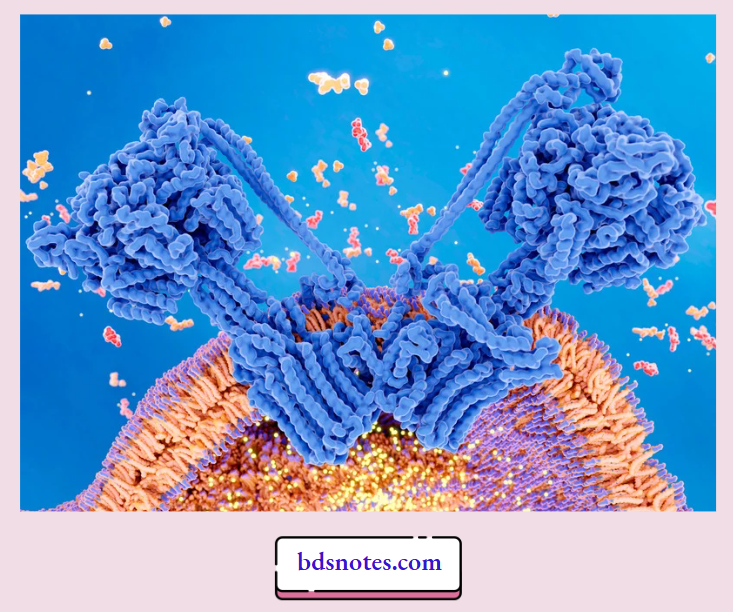
“Steps to explain functions of the electron transport chain: Electron transfer vs proton pumping: Q&A guide”
Coupling of Electron Transport and ATP Production
Okay, so the electron transport chain does all this work, moving electrons and pumping protons. But what’s the point? It all comes down to ATP synthase. Think of it like a water wheel. The flow of protons back across the inner mitochondrial membrane, driven by the proton gradient, powers ATP synthase. This enzyme uses that energy to convert ADP and inorganic phosphate into ATP, which is the cell’s main energy currency. Without the proton gradients established by the electron transport chain, ATP synthase wouldn’t have the oomph it needs to do its job. It’s a beautiful example of how two processes are linked to make energy available for the cell.
Mechanism Of ATP Synthesis
ATP synthase is a fascinating molecular machine. It’s made of two main parts: F0 and F1. The F0 part is embedded in the inner mitochondrial membrane and forms a channel for protons to flow through. The F1 part sticks out into the mitochondrial matrix and is where ATP synthesis actually happens. As protons flow through F0, it causes the F1 part to rotate, kind of like a tiny motor. This rotation drives conformational changes in the F1 subunits, which then bind ADP and inorganic phosphate, squeeze them together to form ATP, and then release the ATP. It’s a complex process, but the basic idea is that the energy from the proton gradient is converted into mechanical energy (rotation), which is then converted into chemical energy (ATP).
Importance of Proton Motive Force
The proton motive force is the driving force behind ATP synthesis. It’s a measure of the potential energy stored in the proton gradient across the inner mitochondrial membrane. This force has two components: the difference in proton concentration (pH gradient) and the difference in electrical potential. The bigger the proton motive force, the more energy is available to drive ATP synthesis. If the inner mitochondrial membrane becomes leaky to protons, the proton motive force decreases, and ATP synthesis slows down. This is why it’s so important to maintain the integrity of the inner mitochondrial membrane.
The proton motive force isn’t just about making ATP. It’s also used to drive other processes in the mitochondria, such as the transport of molecules across the inner mitochondrial membrane. For example, the import of phosphate into the matrix, which is needed for ATP synthesis, is driven by the proton motive force. So, maintaining a healthy proton motive force is essential for overall mitochondrial function.
Here’s a quick rundown of what affects the proton motive force:
- Electron transport chain activity
- Inner mitochondrial membrane integrity
- Availability of substrates (NADH, FADH2)
- Presence of uncoupling agents
“Role of electron transfer in generating energy: Questions answered”
Regulation Of Electron Transport Chain
Factors Affecting Activity
Okay, so the electron transport chain (ETC) isn’t just running wild; it’s actually pretty tightly controlled. Think of it like a car engine – it speeds up or slows down depending on how much gas you’re giving it. In the ETC, several factors influence its activity. One big one is the availability of substrates, like NADH and FADH2. If there’s a lot of these around, the ETC tends to speed up. Another factor is the concentration of ATP and ADP. High ADP levels stimulate the electron transport chainto regenerate NAD⁺ and produce more ATP. Oxygen availability is also key; without enough oxygen, the whole process grinds to a halt. Temperature and pH can also play a role, as they affect the enzymes involved.
Inhibitors and Activators
Just like any good system, the ETC has its own set of inhibitors and activators. Inhibitors are like putting a wrench in the gears, slowing down or stopping the chain. Some common inhibitors include cyanide and carbon monoxide, which block electron transfer to oxygen. Activators, on the other hand, are like giving the system a boost. For example, a high ADP/ATP ratio can activate the ETC, signaling that the cell needs more energy. It’s a delicate balance, but these inhibitors and activators help keep the ETC running smoothly and efficiently.
Impact of Mitochondrial Dysfunction
When things go wrong with the mitochondria, it can have a ripple effect on the ETC. Mitochondrial dysfunction can lead to a variety of problems, including decreased ATP production, increased production of reactive oxygen species (ROS), and impaired calcium homeostasis. This can contribute to a range of diseases, from neurodegenerative disorders to metabolic syndromes. It’s like a domino effect – when one part of the system fails, it can throw everything else out of whack. Here are some potential impacts:
- Reduced energy production
- Increased oxidative stress
- Cellular damage
When the ETC isn’t working right, it’s not just about feeling tired. It can lead to serious health issues because the body’s cells aren’t getting the energy they need to function properly. This can affect everything from your brain to your muscles, making it super important to keep those mitochondria happy and healthy.
“How does proton pumping create the electrochemical gradient? FAQ explained”
Clinical Relevance of Electron Transport Chain
Diseases Associated with ETC Dysfunction
Okay, so when the electron transport chain (ETC) isn’t working right, it can cause some serious problems. These issues often show up as mitochondrial diseases, which are usually genetic and can affect pretty much any part of the body, but especially the brain, muscles, and heart. Think of it like this: if your cells can’t make enough energy, everything starts to break down. The severity can vary a lot, from mild fatigue to life-threatening organ failure. It’s a big deal because energy is everything.
Therapeutic Approaches
So, what can we do about ETC dysfunction? Well, it’s tricky. There’s no one-size-fits-all cure, but there are ways to manage the symptoms and try to improve the function of the mitochondria. Here’s a few things doctors might try:
- Vitamin and supplement cocktails: Some vitamins, like CoQ10 and B vitamins, can help support mitochondrial function.
- Exercise: Believe it or not, controlled exercise can sometimes help improve mitochondrial function.
- Dietary changes: A special diet, like a ketogenic diet, might help in some cases.
The goal is to give the mitochondria as much support as possible and reduce the amount of stress on the cells. It’s all about finding the right balance and figuring out what works best for each individual.
Research and Future Directions
There’s a lot of research going on right now to better understand the ETC and how to treat mitochondrial diseases. Scientists are exploring things like gene therapy, new drugs that can target specific mitochondrial defects, and even ways to replace damaged mitochondria with healthy ones. It’s a really exciting field, and hopefully, we’ll see some major breakthroughs in the next few years. The future of ETC research looks promising.
“Early warning signs of undiagnosed function-related issues: Common questions”
Wrapping It Up
In summary, the electron transport chain is a vital part of how our cells produce energy. It’s like a relay race where electrons are passed along, helping to create ATP, the energy currency of the cell. Each complex in the chain plays a specific role, and when everything works smoothly, it keeps our cells running efficiently. But if something goes wrong, it can lead to energy shortages and other issues. Understanding how this process works can help us tackle problems in health and even improve agricultural practices. So, whether you’re a student, a researcher, or just curious, knowing about the electron transport chain is pretty important.
Electron Transport Chain Frequently Asked Questions
Question : What Is The Electron Transport Chain (ETC)?
Answer: The electron transport chain is a series of proteins in the mitochondria that help move electrons. This process is important for creating energy in the form of ATP, which our cells need to function.
Question : Why Is The Electron Transport Chain Important For Cellular Respiration?
Answer: The ETC is crucial because it helps produce most of the ATP during cellular respiration. Without it, our cells wouldn’t get enough energy to do their jobs.
Question : Where Is The Electron Transport Chain Located in Eukaryotic Cells?
Answer: In eukaryotic cells, the electron transport chain is found in the inner membrane of the mitochondria, which is like the power plant of the cell.
Question : How Do Electrons Move Through The Electron Transport Chain?
Answer: Electrons move through the ETC in a series of steps, like a relay race. They are passed from one protein complex to another until they reach oxygen, which helps form water.
“Asymptomatic vs symptomatic effects of delayed treatment: Answered”
Question : What Role Does ATP Synthase Play In The Electron Transport Chain?
Answer: ATP synthase is an enzyme that uses the energy from the proton gradient created by the ETC to produce ATP. It acts like a turbine, turning energy into usable power for the cell.
Question : What Happens If The Electron Transport Chain Does Not Work Properly?
Answer: If the ETC is not functioning well, it can lead to low energy levels in cells and the buildup of harmful substances. This can cause various health problems and diseases.
Leave a Reply