Understanding Ribosomes: The Cellular Machines Behind Protein Synthesis
“What are ribosomes? A detailed question and answers guide”
Ribosomes are essential cellular structures that play a critical role in the process of protein synthesis. These tiny machines are found in all living cells, where they translate genetic information into proteins, the building blocks of life. Understanding ribosomes helps us appreciate how cells function and adapt, making them a fascinating topic in biology.
Ribosomes Key Significance
- Ribosomes consist of two subunits made of proteins and ribosomal RNA (rRNA).
- They play a vital role in translating mRNA into proteins through a process called translation.
- The translation process occurs in three main stages: initiation, elongation, and termination.
- Energy is crucial for ribosome function, accounting for a significant portion of a cell’s energy use.
- Ribosomes vary between prokaryotic and eukaryotic organisms, reflecting their evolutionary significance.
The Structure Of Ribosomes
Ribosomes are essential cellular components responsible for protein synthesis. Think of them as tiny factories churning out proteins based on genetic instructions. These complex structures are found in all living cells, from bacteria to human cells.
“Understanding ribosomes through FAQs: Composition, functions, and uses explained”
Components Of Ribosomal Subunits
Ribosomes aren’t just one big blob; they’re made of two main parts: a large subunit and a small subunit. Each subunit is composed of ribosomal RNA (rRNA) molecules and ribosomal proteins. The small subunit is responsible for binding the mRNA template, while the large subunit catalyzes the formation of peptide bonds between amino acids. It’s like a two-part assembly line, each doing its specific job to build a protein.
- rRNA: Provides structural support and catalytic activity.
- Ribosomal Proteins: Help stabilize the structure and participate in the translation process.
- Small Subunit: Binds mRNA and tRNA.
- Large Subunit: Catalyzes peptide bond formation.
Role Of Ribosomal RNA
rRNA isn’t just a structural component; it plays a key role in the ribosome’s function. It helps in the recognition of mRNA and tRNA, and it also has catalytic activity, meaning it speeds up the chemical reactions needed for protein synthesis. It’s like the foreman on the construction site, making sure everything runs smoothly.
rRNA’s structure is highly conserved across different species, suggesting its critical importance in protein synthesis. It’s a testament to the fundamental nature of this molecule in all life forms.
“How do ribosomes contribute to protein synthesis? FAQ answered”
Differences Between Prokaryotic And Eukaryotic Ribosomes
While the basic function of ribosomes is the same in all organisms, there are some key differences between prokaryotic and eukaryotic ribosomes. Prokaryotic ribosomes (found in bacteria and archaea) are smaller (70S) than eukaryotic ribosomes (found in plants and animals), which are 80S. This difference is important because some antibiotics target prokaryotic ribosomes, inhibiting protein synthesis in bacteria without affecting eukaryotic cells.
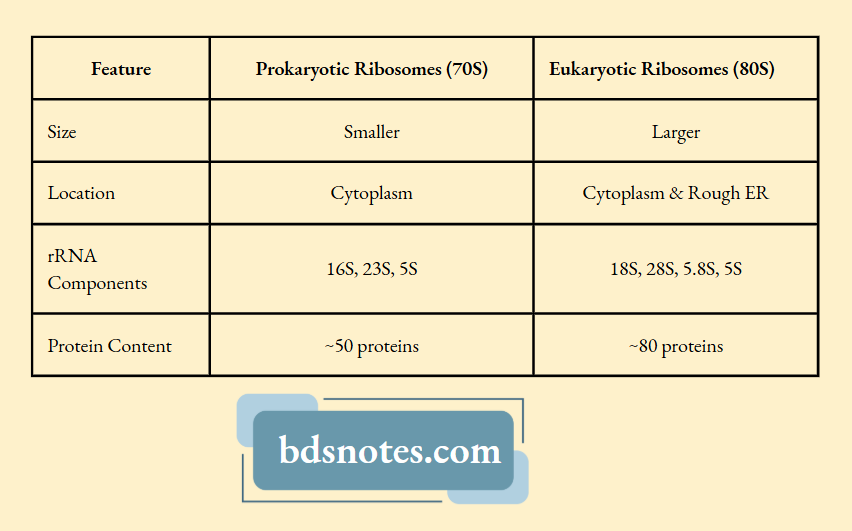
“Importance of studying ribosomes for biology students: Questions explained”
The Function Of Ribosomes In Protein Synthesis
Ribosomes are the unsung heroes in our cells, constantly working to build proteins. Think of them as tiny construction workers, following blueprints to assemble complex structures. This process, called translation, is how the genetic information stored in DNA is turned into functional proteins. Without ribosomes, cells wouldn’t be able to produce the proteins they need to function, grow, and survive. It’s a pretty big deal.
Translation Process Overview
Translation is the process where the genetic code carried by mRNA is decoded to produce a specific sequence of amino acids, which then fold into a protein. It’s like reading a recipe (the mRNA) and using it to bake a cake (the protein). The ribosome acts as the chef, carefully following the instructions to ensure the cake turns out right. The whole thing happens in three main stages: initiation, elongation, and termination. Each stage has its own set of steps and requirements, but they all work together to get the job done. The translation process is essential for life.
Role of mRNA in Translation
Messenger RNA (mRNA) is like the messenger that carries the genetic information from the DNA in the nucleus to the ribosome in the cytoplasm. It’s a single-stranded molecule that contains the code for a specific protein. The mRNA sequence is read by the ribosome in three-nucleotide units called codons, each of which corresponds to a particular amino acid. Without mRNA, the ribosome wouldn’t know what protein to build. It’s like trying to bake a cake without a recipe – you might end up with something, but it probably won’t be what you wanted.
Importance of tRNA in Protein Assembly
Transfer RNA (tRNA) molecules are the adaptors that bring the correct amino acids to the ribosome. Each tRNA molecule has a specific anticodon that recognizes a particular codon on the mRNA. The tRNA also carries the amino acid that corresponds to that codon. As the ribosome moves along the mRNA, the tRNA molecules deliver the amino acids one by one, forming a growing polypeptide chain. It’s like a delivery service, ensuring that the right ingredients arrive at the right time. Without tRNA, the ribosome wouldn’t be able to assemble the protein correctly.
Ribosomes are essential for protein synthesis, and protein synthesis is essential for life. It’s a complex process that involves many different molecules and steps, but it all works together to ensure that cells can produce the proteins they need to function. It’s a testament to the amazing complexity and efficiency of biological systems.
“Common challenges in mastering ribosome notes effectively: FAQs provided”
Stages Of Translation In Ribosomes: Initiation Phase
Okay, so initiation is where it all kicks off. Think of it like setting the stage for a play. The mRNA molecule, carrying the genetic instructions, binds to the small ribosomal subunit. A tRNA molecule, loaded with methionine (usually), then finds the start codon (AUG) on the mRNA. Initiation factors help everything come together – the small ribosomal subunit, the mRNA, and the tRNA – forming the initiation complex. Finally, the large ribosomal subunit joins the party, creating the active ribosome ready to start building a protein. It’s like assembling all the key players before the curtain rises.
Elongation Phase
Elongation is where the protein chain grows, one amino acid at a time. The ribosome moves along the mRNA, reading each codon in sequence. For each codon, a corresponding tRNA molecule, carrying the correct amino acid, binds to the ribosome. This process involves three key sites on the ribosome: the A (aminoacyl) site, the P (peptidyl) site, and the E (exit) site. The tRNA enters at the A site, a peptide bond forms between the amino acid it carries and the growing peptide chain at the P site, and then the tRNA moves to the E site before exiting the ribosome. It’s a repetitive cycle, but each cycle adds another link to the protein chain. The mRNA advances in the ribosome and presents new codons.
Termination Phase
Termination is the grand finale. It happens when the ribosome reaches a stop codon (UAA, UAG, or UGA) on the mRNA. These codons don’t have corresponding tRNA molecules. Instead, release factors bind to the ribosome, causing the protein chain to be released. The ribosome then disassembles into its two subunits, ready to start the process all over again. It’s like the final bow after a performance, signaling the end of the show.
Think of translation as a carefully choreographed dance. Each step, from initiation to elongation to termination, has to happen in the right order for the protein to be made correctly. Any misstep can lead to a faulty protein, which can have serious consequences for the cell.
Here’s a quick summary of the key players:
- mRNA: Carries the genetic code.
- tRNA: Brings amino acids to the ribosome.
- Ribosome: The protein synthesis machine.
“Why is proper understanding of ribosomes critical for diagnosing cellular disorders? Answered”
Energy Requirements For Ribosome Activity

Energy Consumption In Cells
Ribosomes are energy hogs! They consume a significant portion of a cell’s total energy budget. Think of it like this: a bustling factory needs a lot of power to keep all its machines running, and ribosomes are the protein-making machines of the cell. Ribosomes can use over 60% of the cell’s total energy. This high energy demand underscores just how vital they are for cellular function. Without enough energy, protein synthesis grinds to a halt, impacting everything from cell growth to repair.
Sources Of Energy For Ribosome Function
So, where does all this energy come from? The primary energy currency of the cell is ATP (adenosine triphosphate), and GTP (guanosine triphosphate) also plays a role. These molecules power various steps in translation, from tRNA binding to peptide bond formation. Elongation factors use GTP hydrolysis to provide the energy for each step of the ribosome. The formation of each peptide bond is also derived from GTP hydrolysis, which is catalyzed by a separate elongation factor. It’s like fueling a car – you need the right kind of fuel to keep it running smoothly.
Impact Of Energy Availability On Protein Synthesis
What happens when energy is scarce? Well, protein synthesis slows down, or even stops altogether. This can have serious consequences for the cell. Imagine a construction site where the power goes out – construction stops. Similarly, if a cell lacks sufficient ATP or GTP, ribosomes can’t do their job efficiently. This can lead to:
- Reduced cell growth
- Impaired cell repair
- Compromised immune responses
When energy levels are low, cells prioritize essential functions to survive. Protein synthesis, while important, might be down-regulated to conserve energy for more immediate needs, like maintaining cell membrane integrity or DNA repair. This is a survival mechanism, ensuring the cell can weather the energy crisis.
“Factors influencing success with ribosome studies: Q&A”
Here’s a simple table illustrating the impact:


“Steps to explain cell types involved in ribosome activity: Prokaryotic vs eukaryotic ribosomes: Q&A guide”
Ribosomes And Genetic Code Translation: Understanding Codons
Codons are the cornerstone of the genetic code, acting as three-nucleotide sequences that dictate which amino acid should be added to a growing polypeptide chain during protein synthesis. Think of them as the instruction manual for building proteins. Each codon corresponds to a specific amino acid, or a stop signal, telling the ribosome when to end translation. There are 64 possible codons, a combination of the four nucleotide bases (adenine, guanine, cytosine, and uracil), allowing for enough variety to code for the 20 standard amino acids, plus start and stop signals. This redundancy means some amino acids are specified by multiple codons, offering a bit of wiggle room in the genetic code. It’s pretty neat how this system ensures that the right amino acids are linked together in the correct order to form functional proteins. The small ribosomal subunit is responsible for reading the genetic code from the mRNA.
Peptide Bond Formation
Peptide bond formation is the chemical reaction that links amino acids together, creating the polypeptide chain that will eventually become a protein. This process happens within the ribosome, specifically in the peptidyl transferase center (PTC) located in the large ribosomal subunit. The PTC acts like a tiny enzyme, catalyzing the formation of a covalent bond between the carboxyl group of one amino acid and the amino group of another. This bond is super strong and stable, which is important for maintaining the structure of the protein. The large ribosomal subunit sequentially binds tRNAs. It’s a bit like a molecular assembly line, where each amino acid is added one by one, extending the chain until the protein is complete.
The Role Of Anticodons
Anticodons are three-nucleotide sequences found on transfer RNA (tRNA) molecules. They’re like the complementary code to mRNA codons. The anticodon on a tRNA molecule recognizes and binds to a specific codon on the mRNA, ensuring that the correct amino acid is brought to the ribosome for protein synthesis. Each tRNA carries a specific amino acid that corresponds to its anticodon sequence. This matching process is crucial for the accurate translation of the genetic code. If the anticodon didn’t match the codon, the wrong amino acid would be added to the growing polypeptide chain, potentially messing up the protein’s structure and function. The tRNA molecules are the molecules that actually “translate” the language of RNA into the language of proteins.
Think of anticodons as the key that unlocks the genetic code. They ensure that the right amino acid is delivered to the ribosome at the right time, based on the instructions encoded in the mRNA. Without anticodons, protein synthesis would be a chaotic mess, and cells wouldn’t be able to produce the proteins they need to function properly.
Ribosomal Assembly And Biogenesis: Synthesis Of Ribosomal RNA
Ribosomal RNA (rRNA) synthesis is a pretty big deal, and it mainly happens in the nucleolus, a special region inside the cell nucleus. This process involves RNA polymerase I, which is dedicated to transcribing the genes that code for most of the rRNA molecules. Think of it like a specialized printing press that only prints rRNA. The initial transcript is a large precursor molecule that needs to be processed and modified. This processing includes cutting the large RNA into smaller pieces and chemically modifying some of the nucleotides. These modifications are important for the final structure and function of the rRNA. It’s a complex process with a lot of steps, but it’s essential for making functional ribosomes.
Assembly In The Nucleolus
Once the rRNA is synthesized and processed, it’s time for assembly. This is where the rRNA molecules combine with ribosomal proteins to form the ribosomal subunits. The nucleolus is like a construction site where these components come together. Ribosomal proteins, which are made in the cytoplasm, are imported into the nucleolus to join the rRNA. This assembly process involves a bunch of helper proteins that make sure everything comes together correctly. The small and large subunits are assembled separately, and they only come together during protein synthesis. It’s a highly coordinated process that ensures the ribosomes are functional.
Factors Influencing Ribosome Production
Ribosome production isn’t constant; it’s influenced by a bunch of factors, especially the cell’s needs. When a cell is growing rapidly or needs to make a lot of proteins, ribosome production ramps up. Nutrient availability plays a big role; if the cell doesn’t have enough building blocks, ribosome production slows down. Growth factors and hormones can also stimulate ribosome production. On the flip side, stress can inhibit ribosome production. It’s a tightly regulated process that responds to the cell’s environment. The ribosomal subunit assembly is essential for cellular function.
Think of ribosome production like a factory that adjusts its output based on demand. If there’s a high demand for proteins, the factory ramps up production. If there’s a shortage of materials or a slowdown in the economy, the factory reduces production.
“Role of prokaryotic ribosomes in bacterial protein synthesis: Questions answered”
Here’s a quick look at some factors:
- Nutrient availability
- Growth signals
- Cellular stress
- Energy levels
Ribosomes In Different Organisms: Comparative Ribosome Structures
Ribosomes aren’t all created equal! There are some key differences in ribosome structure across different types of organisms. For example, prokaryotic ribosomes (found in bacteria and archaea) are smaller than eukaryotic ribosomes (found in plants, animals, fungi, and protists). Prokaryotic ribosomes are known as 70S ribosomes, while eukaryotic ribosomes are 80S. The “S” stands for Svedberg units, which measure sedimentation rate during centrifugation – basically, how quickly something settles out of a solution. These differences aren’t just about size; they also reflect variations in the ribosomal RNA (rRNA) and ribosomal proteins that make up the ribosome.
Functional Variations Across Species
It’s not just about what ribosomes look like, but also what they do. While the core function of translating mRNA into protein is conserved, there can be functional variations across species. For instance, the specific initiation factors (proteins that help start translation) can differ, leading to variations in how translation is regulated. Also, some organisms might have additional regulatory mechanisms or specialized ribosomes that are adapted to specific cellular conditions. The ribosome heterogeneity is a significant concept in biology.
Evolutionary Significance Of Ribosomes
Ribosomes offer a fascinating window into evolutionary history. The differences and similarities in ribosome structure and function can tell us a lot about how different organisms are related. For example, the ribosomes found in mitochondria and chloroplasts (organelles within eukaryotic cells) are more similar to prokaryotic ribosomes than to the eukaryotic ribosomes found in the cytoplasm. This supports the endosymbiotic theory, which proposes that mitochondria and chloroplasts were once free-living bacteria that were engulfed by ancestral eukaryotic cells. Ribosomes are essential for protein production, and their evolution reflects the diverse strategies organisms have developed to thrive in different environments.
“How do eukaryotic ribosomes differ in structure and function? FAQ explained”
Here are some key points about the evolutionary significance of ribosomes:
- Ribosomal RNA (rRNA) sequences are highly conserved, making them useful for phylogenetic studies.
- Differences in ribosome structure can reflect adaptations to different environmental conditions.
- The presence of prokaryotic-like ribosomes in mitochondria and chloroplasts supports the endosymbiotic theory.
The ribosome’s structure and function provide a molecular record of evolutionary history, highlighting the interconnectedness of all life on Earth. Studying ribosomes across different species helps us understand the origins and diversification of life.
“Early warning signs of undiagnosed cell type-related issues: Common questions”
Wrapping Up: The Role of Ribosomes In Life
So, there you have it. Ribosomes are like the factories of our cells, cranking out proteins that keep everything running smoothly. They take the instructions from mRNA and turn them into the building blocks of life—proteins. It’s pretty wild to think about how these tiny machines work tirelessly, using a ton of energy to make sure our bodies function properly. Without ribosomes, we wouldn’t have the proteins we need for everything from muscle movement to immune responses. Next time you think about what keeps you going, remember those little ribosomes doing their thing, day in and day out.
Ribosomes Frequently Asked Questions
Question 1. What are ribosomes made of?
Answer: Ribosomes are made of two parts called subunits. Each subunit is made of proteins and ribosomal RNA (rRNA). The small subunit reads the genetic code, while the large subunit helps link amino acids together.
Question 2. How do ribosomes make proteins?
Answer: Ribosomes make proteins by following a process called translation. They read messenger RNA (mRNA) and use transfer RNA (tRNA) to bring the right amino acids together to form a protein chain.
Question 3. What is the difference between prokaryotic and eukaryotic ribosomes?
Answer: Prokaryotic ribosomes are smaller than eukaryotic ribosomes. Prokaryotic ribosomes are 70S, while eukaryotic ribosomes are 80S. This difference affects how they function in protein synthesis.
Question 4. What are codons and anticodons?
Answer: Codons are sequences of three nucleotides in mRNA that specify which amino acid will be added next during protein synthesis. Anticodons are the matching sequences on tRNA that pair with codons.
“Differential applications of conservative vs experimental analyses: Questions answered”
Question 5. Why do ribosomes need energy?
Answer: Ribosomes need energy to function because they are constantly assembling proteins. They use a lot of energy—more than 60% of the total energy used by a cell!
Question 6. How do ribosomes differ among various organisms?
Answer: Ribosomes can vary in size and structure between different organisms. For example, bacteria have different ribosomes compared to human cells, but they all perform the same basic function of making proteins.
Leave a Reply