Understanding Rapid Maxillary Expansion: Benefits and Techniques for Orthodontic Success
“What is rapid maxillary expansion? A detailed question and answers guide”
Rapid Maxillary Expansion (RME) is a popular orthodontic technique used to widen the upper jaw. This procedure is especially beneficial for children and adolescents, as their bones are still developing and more responsive to treatment. By using specific appliances, RME can help alleviate dental crowding, create space for teeth that are not coming in properly, and even enhance facial symmetry. In this article, we’ll explore the various benefits of RME, the techniques used, and what to expect during and after the treatment.
Rapid Maxillary Expansion Key Significance
- Rapid Maxillary Expansion helps relieve dental crowding by increasing arch width.
- It creates room for impacted canines, improving their chances of proper eruption.
- This technique can correct crossbites and assist in treating Class III malocclusions.
- Surgically-assisted RME may be necessary for older patients due to bone density.
- Post-expansion retention is crucial to maintain the results and prevent relapse.
“Understanding rapid maxillary expansion through FAQs: Benefits, techniques, and uses explained”
Benefits Of Rapid Maxillary Expansion
Rapid Maxillary Expansion (RME) offers a bunch of advantages, especially when you’re dealing with kids and teens whose jaws are still developing. It’s not just about straightening teeth; it can really improve overall oral health and even facial aesthetics. Let’s get into the specifics.
Relieving Dental Crowding
One of the biggest perks of RME is that it helps fix crowded teeth. By widening the upper jaw, you’re creating more space for all the teeth to fit comfortably. Think of it like this: if you’ve got too many books for a small shelf, you either need a bigger shelf or you have to get rid of some books. In this case, RME is like building a bigger shelf, so you don’t have to pull any teeth (which is like getting rid of books). It can generate up to 8mm of additional arch length, which is a lot in orthodontics. This is super helpful for kids who might otherwise need teeth extracted to make room. It also helps accommodate blocked-out or rotated teeth, making them easier to align during treatment.
Creating Space For Impacted Canines
Impacted canines can be a real pain. These are the pointy teeth that sometimes get stuck up in the gums and can’t come down on their own. RME can help by making enough room for these canines to erupt properly. It’s like clearing a path so they can come down into the right spot. Creating space early can prevent more complicated procedures later on, like surgically exposing the canines or even extracting them. It’s all about interceptive treatment – catching the problem early and fixing it before it becomes a bigger issue.
Improving Facial Symmetry
Sometimes, a narrow upper jaw can throw off the balance of the face. RME can help improve facial symmetry by widening the upper jaw, which can make the face look more balanced and harmonious. It’s not just about the teeth; it’s about the whole face. This is especially important in growing kids, where the jaw’s development can significantly impact their facial appearance. Plus, a wider upper arch can improve the way the upper and lower jaws fit together, which can have a positive effect on the overall bite and jaw function. For example, mini-screw assisted rapid palatal expansion can provide better stability and results.
RME isn’t just about fixing teeth; it’s about creating a better foundation for long-term oral health and facial development. By addressing issues like crowding, impacted teeth, and asymmetry early on, you can prevent more complex problems down the road and set the stage for a healthier, more confident smile.
“How does rapid maxillary expansion work in orthodontics? FAQ answered”
Techniques For Effective Expansion
Alright, so you’re looking at rapid maxillary expansion (RME). There are a few ways to get this done, and each has its own pros and cons. It really boils down to what’s going to work best for the patient’s specific situation. Let’s break down the main types of appliances used.
Tooth-Borne Appliances
These are probably what most people think of when they picture RME. Tooth-borne appliances use the teeth as anchors for expansion. Basically, the appliance is cemented to the molars and premolars, and when you turn the screw, it pushes those teeth outwards, widening the palate. A big advantage is that they’re relatively straightforward to fit and manage. However, a potential downside is that all that force is going directly to the teeth, which could lead to some discomfort or, in rare cases, root resorption. It’s important to monitor the teeth closely during treatment.
Bone-Borne Appliances
Bone-borne appliances, on the other hand, get their support directly from the bone of the palate. This is usually achieved with small temporary screws that are placed into the bone. The expander is then attached to these screws. The main advantage here is that the force is distributed more evenly to the bone, which can reduce the stress on the teeth. This can be especially useful in older patients where the mid-palatal suture is more resistant to opening. Bone-borne appliances often require a bit more planning and a minor surgical procedure to place the screws, but the results can be worth it.
Hybrid Appliances
Hybrid appliances try to get the best of both worlds. They use a combination of tooth and bone support to achieve expansion. This might involve bands on the teeth along with some mini-screws in the palate. The idea is to distribute the force in a way that’s both effective and minimizes the risk of side effects. These appliances can be a good option for patients who need a bit more force than tooth-borne appliances can provide, but don’t necessarily need the full bone-borne approach. It’s all about finding the right balance for each individual case. If you are looking for a way to correct crossbites, you might want to consider rapid palatal expansion.
Choosing the right appliance depends on a bunch of factors, like the patient’s age, the severity of the constriction, and any other dental issues they might have. A thorough evaluation is key to making the best decision.
“Importance of studying rapid maxillary expansion for dental students: Questions explained”
Indications For Treatment
“Common challenges in mastering rapid maxillary expansion notes effectively: FAQs provided”
Rapid Maxillary Expansion (RME) isn’t a one-size-fits-all solution, but it can be a game-changer in specific situations. It’s all about identifying the right cases where widening the upper jaw can lead to significant improvements in dental and facial structure. Let’s break down some key scenarios where RME is often considered.
Correcting Crossbites
One of the most common reasons for RME is to correct a posterior crossbite. This is when the upper back teeth bite inside the lower back teeth. RME widens the upper arch, allowing the teeth to align properly. This correction can prevent uneven wear on teeth and improve chewing function. It’s important to address crossbites early, especially in growing children, to guide proper jaw development.
Addressing Class III Malocclusions
In some cases of Class III malocclusion (where the lower jaw protrudes forward), RME can be used as part of a broader treatment plan. While it won’t completely fix a severe skeletal discrepancy, it can help to improve the relationship between the upper and lower jaws, especially in younger patients. By expanding the maxilla, it creates a better foundation for future orthodontic adjustments. Think of it as setting the stage for more comprehensive correction.
Facilitating Orthodontic Alignment
Sometimes, even without a clear crossbite or Class III issue, RME can be beneficial. If there’s significant crowding in the upper arch, expansion can create the necessary space to align the teeth properly. This can reduce the need for extractions and lead to a more esthetically pleasing result. Plus, creating space can aid in the eruption of impacted teeth. For example, RME can help with impacted canines by creating enough space for them to erupt into their correct positions.
RME is often most effective in younger patients because their palatal suture (the joint in the middle of the roof of the mouth) is more flexible. As people get older, this suture becomes more rigid, making expansion more difficult and potentially requiring surgical assistance.
“Why is proper understanding of RME critical for diagnosing malocclusion? Answered”
Surgically-Assisted Rapid Maxillary Expansion
As we’ve touched on, the mid-palatal suture becomes more fused as people get older. This can make regular RME less effective. Surgically-assisted rapid palatal expansion (SARPE) is often the answer when we need to expand the upper jaw in adults or older teens where the suture is pretty solid. It involves a surgical procedure to loosen the suture, combined with the use of an expansion appliance.
Indications For Surgery
SARPE isn’t for everyone. It’s usually considered when:
- The patient is past the typical age for standard RME (usually mid-teens and older).
- There’s significant resistance to expansion with a conventional appliance.
- We need to correct a severe transverse discrepancy (a fancy way of saying the upper jaw is way too narrow).
- It’s part of a bigger treatment plan for skeletal discrepancies, like orthognathic surgery.
Procedure Overview
Okay, so what actually happens during SARPE? Here’s the gist:
- Consultation and Planning: We start with a thorough exam, including X-rays and maybe a CBCT scan, to see exactly what’s going on with the suture and surrounding bone.
- Surgical Procedure: A surgeon makes cuts (osteotomies) in the maxilla to weaken the suture. The exact cuts depend on the patient’s anatomy and the amount of expansion needed.
- Appliance Placement: An expansion appliance, similar to what’s used in regular RME, is placed on the teeth. Sometimes, it’s placed before surgery.
- Expansion: After a short healing period, the appliance is activated to gradually widen the upper jaw. Because the suture has been surgically weakened, it expands more easily.
SARPE is a team effort. It requires close collaboration between the orthodontist and the oral surgeon to achieve the best possible outcome. It’s not a quick fix, but it can make a huge difference in the right situation.
Orthodontic Expansion Treatment
Post-Operative Care
After SARPE, taking care of yourself is super important. Here’s what to expect:
- Pain Management: There will be some pain and swelling. We’ll give you pain meds to help manage it.
- Hygiene: Keeping the surgical area clean is key to preventing infection. Gentle rinsing with a special mouthwash is usually recommended.
- Diet: You’ll probably need to stick to a soft food diet for a while to avoid putting too much pressure on the area.
- Follow-Up Appointments: Regular check-ups are needed to monitor the expansion and make sure everything is healing properly. The benefits of miniscrew-assisted rapid palatal expansion are well-documented, but proper aftercare is still essential.
The expansion phase usually lasts several weeks or months, followed by a retention period to allow the bone to heal and stabilize.
Potential Complications And Considerations
“Factors influencing success with rapid maxillary expansion studies: Q&A”
Rapid maxillary expansion (RME) is generally safe, but like any orthodontic treatment, it comes with potential complications. Being aware of these issues helps in managing patient expectations and ensuring the best possible outcome. It’s important to weigh the benefits against these potential drawbacks before starting treatment.
Root Resorption Risks
Root resorption, a shortening of the tooth root, is a possible side effect. Orthodontically-induced inflammatory root resorption can occur during RME due to the forces applied to the teeth. While it’s usually mild, severe cases can compromise tooth stability. Regular X-rays are essential to monitor root length throughout the expansion process. Factors like genetics and pre-existing conditions can increase the risk. If significant resorption is detected, the treatment plan may need adjusting.
Patient Discomfort
Discomfort is a common complaint during the active phase of RME. Patients may experience pressure, headaches, and even some pain as the palate expands. This discomfort is usually manageable with over-the-counter pain relievers. However, it’s important to communicate openly with patients about what to expect and to address any concerns promptly. Sometimes, adjusting the activation schedule can help reduce discomfort. Also, soft tissue irritation from the appliance can occur, requiring adjustments or the use of orthodontic wax.
Long-Term Stability
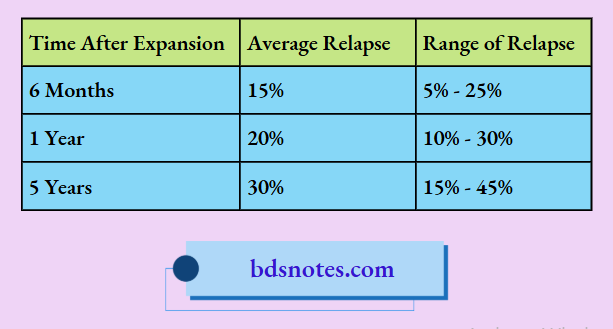
One of the biggest concerns with RME is the potential for relapse. The expansion achieved can sometimes partially reverse after the appliance is removed. Several factors influence long-term stability, including:
- The patient’s age at the time of treatment
- The severity of the original malocclusion
- The type of appliance used
- The duration of retention
Proper retention is key to maintaining the expansion achieved with RME. This typically involves wearing a retainer for an extended period, often several months to years. Regular follow-up appointments are also important to monitor the stability of the results and address any signs of relapse early on. In adult patients undergoing rapid maxillary expansion, it is important to recognize anatomical variations, decreased bone elasticity, and suture ossification as significant factors that can influence treatment outcomes.
Here’s a simple table illustrating potential relapse rates:
“Steps to explain disorders affecting rapid maxillary expansion: Relapse vs asymmetry: Q&A guide”
Post-Expansion Retention Strategies
After achieving the desired expansion with RME, the next critical phase is retention. Retention aims to stabilize the achieved expansion and prevent relapse, which is a common concern in orthodontics. It’s like this: you’ve spent all this time and effort to move things around, and now you need to make sure they stay there. If you don’t, everything will just go back to where it was, and nobody wants that.
Importance Of Retention
Retention is super important because bone and soft tissues need time to adapt to the new jaw position. Without proper retention, the teeth and surrounding structures will try to shift back to their original positions, undoing all the hard work. Think of it like stretching a rubber band – if you let go too soon, it snaps right back. We need to hold things in place long enough for them to set properly. The goal is to maintain the maxillary expansion achieved.
Palatal Expander Types
Types Of Retainers
There are several types of retainers used after RME, each with its own advantages and disadvantages. The choice of retainer depends on individual patient needs and the orthodontist’s preference. Here are a few common options:
- Hawley Retainers: These are removable retainers made of acrylic and wire. They’re adjustable and durable, making them a popular choice for maintaining transverse expansion. A Hawley retainer with palatal coverage is often suggested to maintain the transverse expansion.
- Fixed Retainers: These are wires bonded to the lingual (tongue-side) surfaces of the teeth. They provide excellent retention but require meticulous oral hygiene. They’re great because you don’t have to remember to put them in, but you really have to keep them clean.
- Vacuum-Formed Retainers (VFRs): These are clear, removable retainers that are less visible than Hawley retainers. However, they may not be as effective at maintaining transverse expansion. They’re comfy and discreet, but maybe not the best for holding that expansion.
- Trans-Palatal Arch (TPA): Following expansion and a retention period, the rapid maxillary expansion appliance can be removed and a trans-palatal arch with arms can be fitted.
Monitoring And Follow-Up
Regular monitoring and follow-up appointments are essential during the retention phase. The orthodontist will assess the stability of the expansion, check the fit of the retainer, and address any concerns. Here’s what to expect:
- Regular Check-ups: These appointments allow the orthodontist to monitor the retainer’s fit and the stability of the expansion.
- X-rays: Periodic x-rays may be taken to assess bone remodeling and tooth position.
- Patient Compliance: It’s crucial for patients to follow the orthodontist’s instructions regarding retainer wear and oral hygiene. If you don’t wear your retainer as directed, things will shift.
Retention is not a set-it-and-forget-it process. It requires ongoing attention and cooperation between the orthodontist and the patient to ensure long-term stability of the RME results. It’s a partnership, and everyone needs to do their part to keep that expansion in place.
“Role of relapse in reversing treatment outcomes: Questions answered”
Future Directions In Rapid Maxillary Expansion
Innovative Appliance Designs
We’re seeing some really cool stuff in appliance design. Think smaller, more comfortable appliances that are also more efficient. Customization is key, and 3D printing is making it easier to create appliances tailored to each patient’s unique anatomy. We’re also exploring new materials that are biocompatible and can deliver more controlled forces. It’s not just about expanding the palate; it’s about doing it in a way that minimizes discomfort and maximizes long-term stability. For example, there’s a lot of interest in using temporary anchorage devices (TADs) to get better skeletal expansion, especially in adults.
Research On Long-Term Effects
While we know RME works, we still need more data on what happens years down the road. What are the long-term effects on the teeth, gums, and surrounding tissues? How does it affect breathing and sleep? These are the questions researchers are trying to answer. We need studies that follow patients for many years to really understand the long-term effects of rapid palatal expansion therapy.
Here are some areas of focus:
- Longitudinal studies tracking skeletal and dental changes.
- Research on the impact of RME on nasal airway dimensions.
- Investigations into the stability of expansion in different age groups.
Integration With Other Orthodontic Treatments
RME isn’t usually a standalone treatment; it’s often part of a bigger orthodontic plan. The future is about figuring out how to best combine RME with other treatments like braces, clear aligners, and even orthognathic surgery. How can we sequence these treatments to get the best possible outcome? How can we use RME to make other treatments more effective? It’s all about a holistic approach to orthodontics.
Integrating RME with other treatments requires careful planning and a deep understanding of craniofacial growth and development. The goal is to create a treatment plan that addresses all of the patient’s needs in a coordinated and efficient manner.
“Early warning signs of undiagnosed disorder-related issues: Common questions”
Wrapping Up on Rapid Maxillary Expansion
In conclusion, rapid maxillary expansion (RME) is a game changer in orthodontics. It helps create space in the dental arch, making it easier to fix crowding and other alignment issues. Plus, it can aid in the eruption of impacted teeth and correct crossbites. The techniques used, like various types of appliances, allow for tailored treatment based on individual needs. While RME has its benefits, it’s important to remember that it’s not a one-size-fits-all solution. Consulting with an orthodontist can help determine if RME is the right choice for you or your child. Overall, understanding RME can lead to better orthodontic outcomes and a healthier smile.
Frequently Asked Questions
Question : What Is Rapid Maxillary Expansion (RME)?
Answer: Rapid Maxillary Expansion (RME) is a dental treatment that helps widen the upper jaw (maxilla) to fix issues like crowding or crossbites. It uses a special device that gradually expands the jaw.
Question : What Are The Benefits Of RME?
Answer: RME can relieve crowding by creating more space, help impacted teeth come in properly, and improve the symmetry of the face.
“Asymptomatic vs symptomatic effects of delayed treatment: Answered”
Question : What Types Of Devices Are Used For RME?
Answer: There are different types of devices for RME, including tooth-borne appliances that attach to teeth, bone-borne appliances that attach to the bone, and hybrid appliances that combine both.
Question : Who Should Consider RME Treatment?
Answer: RME is often recommended for people with crossbites, those needing space for teeth to come in, or those with certain types of bite problems like Class III malocclusions.
Question : Are There Any Risks With RME?
Answer: Like any treatment, RME can have risks such as discomfort, root resorption (where tooth roots can be affected), and concerns about whether the results will last.
Question : How Is Retention Managed After RME?
Answer: After RME, it’s important to use retainers to keep the new jaw position. Different types of retainers can be used, and regular check-ups help monitor progress.
Leave a Reply