Understanding Hemorrhage: Essential Insights on Causes, Symptoms, and Emergency Response
“What is hemorrhage? A detailed question and answers guide”
Question 1. Hemorrhage.
Definition:
- Haemorrhage refers to excess loss of blood due to the rupture of blood vessels.
Types:
1. Acute haemorrhage – sudden loss of large amount of blood.
2. Chronic haemorrhage.
- Continuous loss of blood for a long time.
Hemorrhage is a serious condition that involves significant blood loss, whether from an injury or a medical issue. It can happen inside the body (internal) or outside (external) and can be life-threatening if not addressed quickly. Understanding the types, causes, and symptoms of hemorrhage is crucial for anyone, as it helps in providing immediate care and knowing when to seek professional help. This article will break down the essential aspects of hemorrhage, making it easier to grasp and respond effectively in emergencies.
Hemorrhage Key Significance
- Hemorrhage can be internal or external and requires immediate attention.
- There are three main types of hemorrhage: arterial, venous, and capillary, each with distinct characteristics.
- Common causes include traumatic injuries, medical conditions, and complications from surgery.
- Recognizing symptoms like rapid heart rate and pale skin is vital for effective emergency response.
- First aid techniques like applying pressure and elevating limbs can help control bleeding before professional help arrives.
“Understanding hemorrhage through FAQs: Causes, symptoms, and emergency response explained”
Understanding Hemorrhage
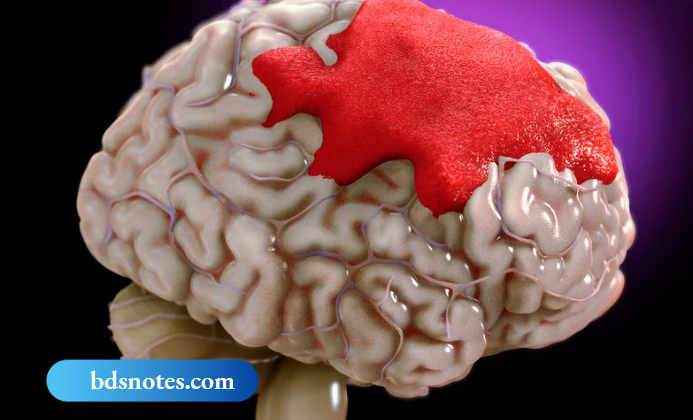
“Importance of studying hemorrhage for medical students: Questions explained”
Definition of Hemorrhage
Hemorrhage, simply put, is bleeding. It’s what happens when blood escapes from a blood vessel. It can be internal, where you can’t see it, or external, where it’s obvious. The severity can range from a minor nuisance to a life-threatening emergency.
Types of Hemorrhage
There are a few main types of hemorrhage, depending on which kind of blood vessel is damaged. Each type has its own characteristics:
- Arterial: This is when an artery is damaged. The blood is usually bright red and can spurt out with each heartbeat. type of bleeding can be very dangerous because arteries carry blood away from the heart.
- Venous: This involves damage to a vein. The blood is usually darker red and flows more steadily.
- Capillary: This is when tiny blood vessels called capillaries are damaged. It’s usually a slow ooze of blood.
Importance of Immediate Response
When someone is hemorrhaging, time is of the essence. The faster you act, the better the chances of a positive outcome. Here’s why immediate response is so important:
- Preventing Shock: Severe blood loss can lead to hypovolemic shock, a life-threatening condition.
- Reducing Complications: Quick action can minimize the risk of long-term health problems.
- Saving Lives: In some cases, immediate intervention is the only thing that can prevent death. Knowing appropriate first aid is key.
Every second counts when dealing with a hemorrhage. Knowing what to do can make all the difference. Don’t hesitate to call for help and start providing care immediately.
“Common challenges in mastering hemorrhage notes effectively: FAQs provided”
Types Of Hemorrhage
Okay, so when we talk about hemorrhage, we’re really talking about different ways your body can bleed. It’s not just blood coming out; it’s about where it’s coming from and how fast it’s happening. Understanding the type of hemorrhage is super important because it tells you how serious it might be and what kind of first aid is needed. Basically, we’ve got three main types to think about: arterial, venous, and capillary.
Arterial Hemorrhage Characteristics
Arterial hemorrhage is the one that freaks people out the most, and for good reason. This happens when an artery gets damaged, and since arteries carry blood away from your heart under high pressure, the bleeding can be intense. Think of it like this:
- The blood is bright red because it’s full of oxygen.
- It doesn’t just flow; it spurts with each heartbeat.
- You can lose a lot of blood really fast, which is why it’s so dangerous. If you suspect an arterial bleed, you need to act fast. Knowing the appropriate first aid is critical.
Venous Hemorrhage Characteristics
Venous hemorrhage is when a vein gets damaged. Veins carry blood back to your heart, and the pressure is much lower than in arteries. So, the bleeding is usually more controlled. Here’s what to look for:
- The blood is dark red or maroon because it’s already dropped off its oxygen.
- It flows steadily, not in spurts.
- While it’s not as dramatic as arterial bleeding, it can still be serious if it’s a big vein or if it goes on for too long.
Venous damage can also lead to brain bleeds, a type of stroke involving bleeding in or around the brain, which requires urgent medical treatment to prevent irreversible damage to brain cells.
Capillary Hemorrhage Characteristics
Capillary hemorrhage is the most common and usually the least serious. Capillaries are tiny blood vessels that connect arteries and veins. Think of it like when you get a small cut or scrape. Here’s what it looks like:
- The bleeding is slow and oozing.
- The blood is usually dark red.
- It usually stops on its own pretty quickly. You know, like when you nick yourself shaving. It’s usually not a big deal, but you still want to clean it to prevent infection. This type of bleeding is usually minor.
“Factors influencing success with hemorrhage studies: Q&A”
Causes of Hemorrhage
Hemorrhage, or significant blood loss, can happen for a bunch of reasons. Sometimes it’s obvious, like after an injury, but other times it can be due to something going on inside your body. It’s important to figure out why someone is bleeding so they can get the right treatment. Let’s take a look at some of the main causes.
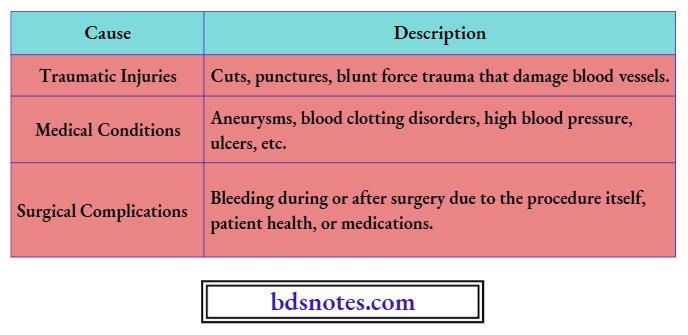
Traumatic Injuries
Trauma is probably the first thing that comes to mind when you think about bleeding. This includes things like cuts, punctures, and blunt force injuries. Basically, anything that damages blood vessels can cause a hemorrhage. Car accidents, falls, and sports injuries are common culprits. The severity of the bleeding depends on which blood vessels are affected and how badly they’re damaged. Even seemingly small cuts can bleed a lot if they’re in a place with lots of blood vessels.
Medical Conditions
Sometimes, bleeding isn’t caused by an external injury, but by an underlying medical condition. Several conditions can weaken blood vessels or affect the body’s ability to clot blood properly. Here are a few examples:
- Aneurysms: These are bulges in the walls of blood vessels that can rupture and cause severe bleeding.
- Blood clotting disorders: Conditions like hemophilia prevent blood from clotting normally, leading to prolonged bleeding.
- High blood pressure: Over time, high blood pressure can weaken blood vessels, making them more prone to rupture.
- Ulcers: These can erode blood vessels in the stomach or intestines, causing internal bleeding.
It’s worth noting that some medications, like blood thinners, can also increase the risk of hemorrhage, even from minor injuries. If you’re on blood thinners, it’s important to be extra careful and talk to your doctor about any unusual bleeding.
“Steps to explain causes of hemorrhage: Trauma vs coagulopathy: Q&A guide”
Surgical Complications
Surgery, while often life-saving, always carries some risk of bleeding. Surgeons take precautions to minimize this risk, but sometimes complications happen. Bleeding can occur during the procedure itself, or in the days following surgery. Factors that can increase the risk of surgical bleeding include:
- The type of surgery: Some surgeries are inherently more prone to bleeding than others.
- The patient’s overall health: People with pre-existing medical conditions may be at higher risk.
- Medications: As mentioned earlier, blood thinners can increase the risk of bleeding during and after surgery.
Here’s a simple table summarizing the causes:
“Role of trauma in causing acute hemorrhage: Questions answered”
Symptoms Of Hemorrhage
Common Symptoms
Okay, so you think you might be bleeding more than you should? Here’s the deal. It’s not always super obvious, especially if it’s internal. But there are some things to watch out for.
- First off, feeling dizzy or lightheaded is a big one. It’s like your brain isn’t getting enough fuel.
- Then there’s the whole feeling weak and tired thing. Like, can’t-get-off-the-couch kind of tired.
- Also, keep an eye out for changes in your skin color. Pale skin, especially around your face, can be a sign that you’re losing blood.
- You might also notice that you’re breathing faster than normal, or that your heart is racing. Your body is trying to compensate for the blood loss.
- Feeling extra thirsty? That’s another sign your body is trying to make up for lost fluids.
It’s important to remember that these symptoms can also be caused by other things. But if you’ve had an injury or have reason to believe you might be bleeding internally, it’s always best to get it checked out.
Signs Of Severe Hemorrhage
Okay, so things are getting serious. When a hemorrhage is severe, the symptoms become much more pronounced and, frankly, scary. We’re talking about a situation where you need to act fast. Here’s what to look for:
- First, a big drop in blood pressure. You might feel super faint or even pass out.
- Next, a really rapid heart rate. Your heart is working overtime to try and pump blood around your body.
- Confusion or disorientation is another red flag. If you’re having trouble thinking straight or knowing where you are, that’s a bad sign.
- You might also notice that you’re sweating a lot, even though you’re cold and clammy.
- And, of course, uncontrolled bleeding that won’t stop, whether it’s external or internal. If you see any of these signs, call for help immediately. Don’t wait.
Symptoms in Specific Populations
Hemorrhage can show up differently depending on who you are. Kids, pregnant women, and older adults might not have the same symptoms as everyone else. For example, kids might not be able to tell you exactly what they’re feeling, so you have to watch for things like excessive crying or refusing to move an arm or leg. Pregnant women have a higher blood volume, so they might not show signs of blood loss as quickly. And older adults might have other health problems that mask the symptoms of hemorrhage. For example, someone with heart problems might already have a rapid heart rate, so it’s harder to tell if it’s getting worse. It’s important to know the specific risks and symptoms for these groups. If you suspect internal hemorrhage in anyone, especially these groups, get them to a doctor ASAP.
“Early warning signs of undiagnosed cause-related issues: Common questions”
Emergency Response To Hemorrhage
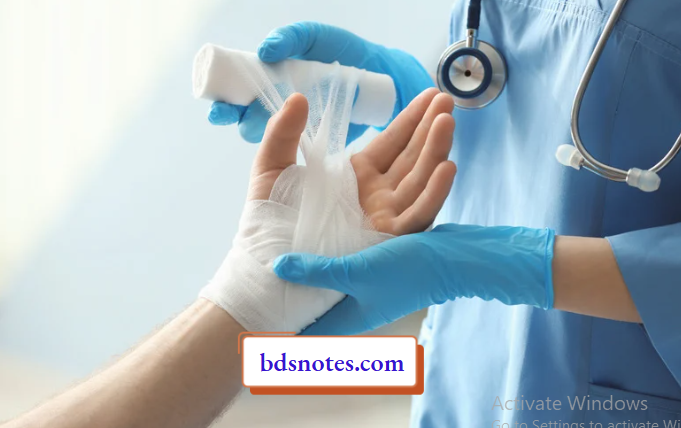
“Asymptomatic vs symptomatic effects of delayed interventions: Answered”
Initial Assessment
When someone’s bleeding, the first few seconds are critical. You need to quickly figure out how bad it is. Is it a minor cut, or is it something serious? Check their airway, breathing, and circulation – the ABCs. Are they conscious? Are they pale or sweaty? These are all clues. Don’t get bogged down in details; just get a quick overview so you can decide what to do next. If you suspect internal bleeding, that’s an immediate red flag to call for help.
First Aid Techniques
Okay, so you’ve assessed the situation. Now what? Direct pressure is your best friend. Grab whatever’s clean – a cloth, a shirt, whatever – and press hard on the wound. Elevate the injured area above the heart if possible; this helps slow down the blood flow. If it’s a limb and direct pressure isn’t working, you might need a tourniquet, but that’s a last resort. Remember, first aid skills can save lives.
Here’s a quick rundown:
- Apply direct pressure.
- Elevate the injury.
- Use a tourniquet if necessary.
It’s easy to panic, but try to stay calm. Your actions in these first few minutes can make a huge difference. Focus on controlling the bleeding and keeping the person as comfortable as possible until help arrives.
When to Seek Professional Help
Knowing when to call for backup is just as important as knowing how to apply pressure. If the bleeding is severe, if it won’t stop after a few minutes of direct pressure, or if you suspect internal bleeding, call 911 immediately. Other red flags include signs of shock (pale skin, rapid heartbeat, confusion) or if the person has other injuries. Don’t hesitate; it’s always better to be safe than sorry. Remember, prompt medical attention is key in managing hemorrhage.
“Can preventive measures reduce risks of dysfunction? FAQs provided”
Management Of Hemorrhage
Controlling External Bleeding
Okay, so you’ve got someone bleeding externally. What now? The first thing you wanna do is apply direct pressure. Seriously, just grab whatever clean cloth you can find and press down hard on the wound. Don’t be shy about it. If possible, elevate the injured limb above the heart. This helps reduce blood flow to the area. If direct pressure isn’t cutting it, and it’s a limb, consider a tourniquet as a last resort, but make sure you know what you’re doing. It’s not something to mess around with. Remember to keep pressure applied until help arrives, or until the bleeding stops.
- Apply direct pressure with a clean cloth.
- Elevate the injured limb.
- Consider a tourniquet if direct pressure fails.
It’s important to remember that controlling external bleeding is a race against time. The faster you act, the better the chances of a positive outcome. Don’t panic, just focus on the steps and do what you can to slow the blood loss.
Internal Bleeding Interventions
Internal bleeding is a whole different ballgame because you can’t see it. That’s what makes it so dangerous. If you suspect someone has internal bleeding—maybe they’ve been in an accident or have certain medical conditions—getting them to a hospital ASAP is key. Doctors might use intravenous fluids to keep blood pressure up, or even blood transfusions if blood loss is significant. Sometimes, surgery is needed to find and stop the source of the bleed. There are also medicines that can help with blood clotting, like tranexamic acid. It’s all about stabilizing the patient and figuring out where the blood is coming from.
Post-Hemorrhage Care
So, the bleeding is stopped, and the person is getting medical help. What happens next? Well, post-hemorrhage care is all about monitoring and recovery. Doctors will keep a close eye on vital signs like blood pressure and heart rate. They’ll also check for any signs of complications, like infection or organ damage. Depending on how much blood was lost, the person might need physical therapy to regain strength and mobility. It’s a long road, but with the right care, recovery is possible.
Here’s a quick rundown of what to expect:
- Continuous monitoring of vital signs.
- Assessment for complications.
- Rehabilitation and physical therapy, if needed.
“Differential applications of conservative vs experimental analyses: Questions answered”
Prognosis And Recovery From Hemorrhage
Factors Affecting Prognosis
The prognosis following a hemorrhage really depends on a bunch of things. I mean, think about it – what caused the bleeding in the first place? Was it a car accident, a medical condition, or something else entirely? The amount of blood someone lost is a big deal, too. Obviously, the more blood lost, the tougher the recovery. And let’s not forget how quickly they got treatment. Time is super important in these situations. Someone’s age and overall health also play a role. Older folks or people with existing health problems might face a harder time. Finally, how well their blood clots matters. If someone has trouble clotting, that can make things way more complicated.
Long-Term Effects of Hemorrhage
Okay, so someone survives a major hemorrhage. That’s great, right? But sometimes, there are long-term effects that stick around. Organ damage is a real possibility, especially if the organs didn’t get enough blood for a while. People might also deal with psychological issues like PTSD or anxiety. Then there’s the physical side of things – some folks need a lot of rehab to get back on their feet. And honestly, a lot of people just feel tired all the time after something like that. It’s like their body is still recovering, even months later.
Rehabilitation Considerations
When it comes to rehab after a hemorrhage, it’s not one-size-fits-all. It really depends on what kind of damage was done. For example:
- Physical therapy to regain strength and movement.
- Occupational therapy to help with everyday tasks.
- Speech therapy if there were any issues with speech or swallowing.
- Cognitive therapy to address any problems with memory or thinking.
The goal is to help people get back to their lives as much as possible. It’s a long road, and it takes a lot of effort, but with the right support, people can make real progress.
“Steps to explain disorders affecting hemorrhage: Hemophilia vs thrombocytopenia: Q&A guide”
Wrapping It Up
In summary, dealing with hemorrhage is no small matter. Whether it’s a minor cut or a serious injury, knowing what to look for and how to act can really make a difference. Remember, time is of the essence. If you spot signs of heavy bleeding, don’t hesitate to apply pressure and get help. It’s also a good idea to keep learning about first aid and emergency responses. The more you know, the better prepared you’ll be to handle these situations. Stay alert, stay informed, and don’t underestimate the importance of quick action when it comes to bleeding emergencies.
Hemorrhage Frequently Asked Questions
Question: What Is Hemorrhage?
Answer: Hemorrhage means losing a lot of blood from a blood vessel or organ. This can happen inside the body or outside, and it can be caused by injuries, health problems, or medicines.
Question: What Are The Different Types Of Hemorrhage?
Answer: There are three main types of hemorrhage: arterial, venous, and capillary. Arterial bleeding is bright red and comes out in spurts. Venous bleeding is darker and flows steadily. Capillary bleeding is the slowest and usually comes from small cuts.
Question: What Causes Hemorrhage?
Answer: Hemorrhage can be caused by accidents, medical issues, or problems after surgery. For example, a bad fall can lead to bleeding, or certain diseases can make blood vessels weak.
“Role of hemophilia in causing excessive bleeding: Questions answered”
Question: What Are The Signs Of Hemorrhage?
Answer: Common signs of hemorrhage include feeling weak, pale skin, fast heartbeat, and trouble breathing. If someone is bleeding a lot, they might feel dizzy or confused.
Hemorrhage In Adults
Question: How Should I Respond To A Hemorrhage?
Answer: If you see someone bleeding heavily, you should call for help right away. Apply pressure to the wound, keep the person calm, and try to elevate the injured area if possible.
Question: When Should I Seek Medical Help For Hemorrhage?
Answer: You should get medical help if the bleeding doesn’t stop after applying pressure, if the person feels very weak or faint, or if the bleeding is from a serious injury.
Leave a Reply