Regulation Of Blood Glucose
Glucose Homeostasis
Name hormones that increase the blood level with their mechanism. (or) Describe the regulation of blood glucose and add a note on disorders of blood glucose regulation.(or) Glycolysis.
Answer:
Regulation of blood glucose:
- The fasting blood glucose level in 70-100 nig/dl
- Following the ingestion of a carbohydrate meal, the blood glucose level is within normal range.
- It depends on the amount of glucose entering into circulation from processes like diet, glycogenolysis gluconeogenesis, etc., and the amount that is utilized for metabolic purposes.
- Kidneys and hormones play an important role in the regulation of blood glucose.
1. Role of the kidney:
- Glucose is filtered, reabsorbed anil returned back to circulation by the kidney.
- When the glucose concentration increases above 160 – 180 mg/dl, it is exerted in urine.
“Understanding blood glucose regulation through FAQs: Composition, functions, and uses explained”
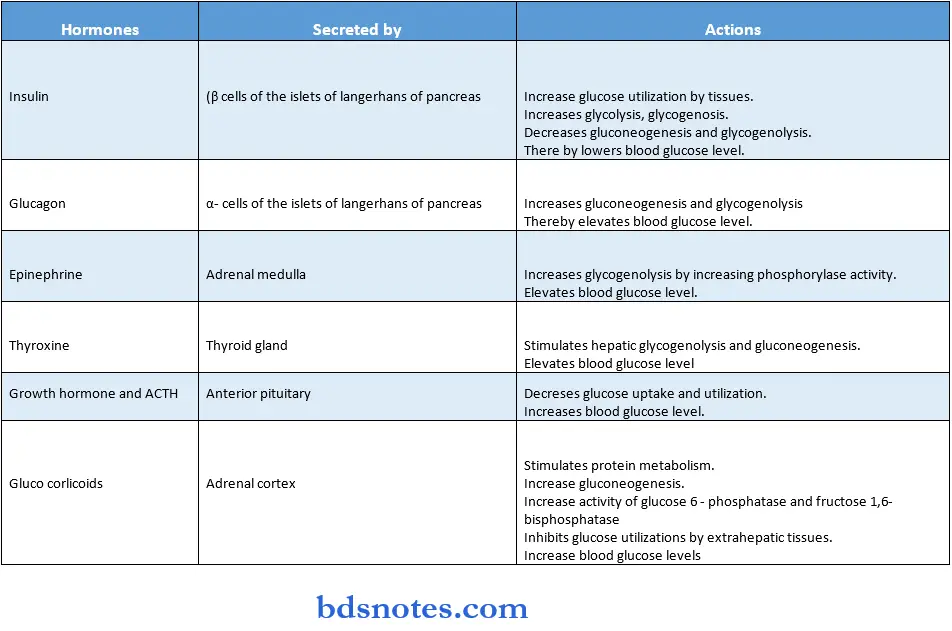
2. Role of hormones:
“Importance of studying blood glucose regulation for medical students: Questions explained”
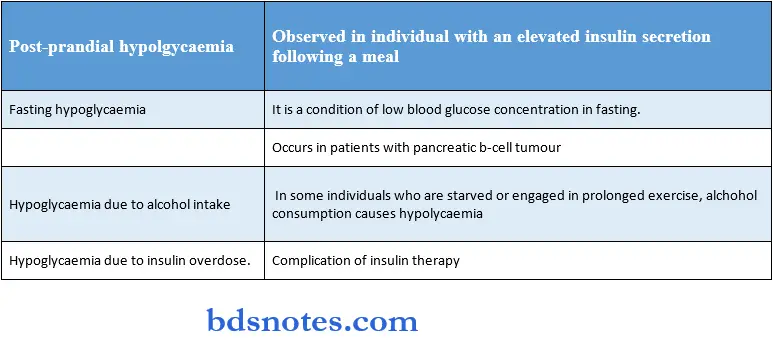
Disorders:
1. Hyperglycemia:
- It occurs when the blood glucose concentration is less than 45 mg/ill
- Clinical features:
- Headache, seizures, anxiety, coma.
- Sweating, slurred speech.
Types:
“Common challenges in mastering blood glucose notes effectively: FAQs provided”
2. Diabetes mellitus:
- It is a metabolic disease characterized by hyperglycemia.
Types:
- Insulin-dependent diabetes mellitus (Type I)
- Mainly occurs in children with so-called juvenile-onset diabetes.
- Characterized by total deficiency of insulin due to the destruction of p-cells of the pancreas.
- Noninsulin-dependent diabetes mellitus-type II.
- Occurs in adults.
- This occurs due to genetic and environmental factors.
Causes:
- Obesity
- Decrease in insulin receptors.
3. Glycosuria:
One of the symptoms of diabetes mellitus.
“Factors influencing success with blood glucose studies: Q&A”
Types:
- Renal glycosuria.
- It is a benign condition due to a reduced renal threshold for glucose.
- Alimentary glycosuria.
- In certain individuals, blood glucose level rises rapidly after meals.
- This glucose is excreted in urine and this condition is called alimentary glycosuria.
“Steps to explain cell types involved in blood glucose regulation: Beta cells vs alpha cells: Q&A guide”
Leave a Reply