Oxidative Phosphorylation
“What is oxidative phosphorylation? A detailed question and answers guide”
Oxidative phosphorylation
Answer:
- The process of synthesizing ATP from ADP & Pi coupled with the electron transport chain is known as oxidative phosphorylation
- It occurs at the complex V of the inner mitochondrial membrane
P:O Ratio:
- It refers to the number of inorganic phosphate molecules utilized for ATP generation for every atom of oxygen consumed
- P.O ratio for NADH oxidation is 3- this indicates that 3 ATP are synthesized
- P.O ratio for FADH2 oxidation is 2- this indicates that 2 ATP are synthesized
“Understanding oxidative phosphorylation through FAQs: Composition, functions, and uses explained”
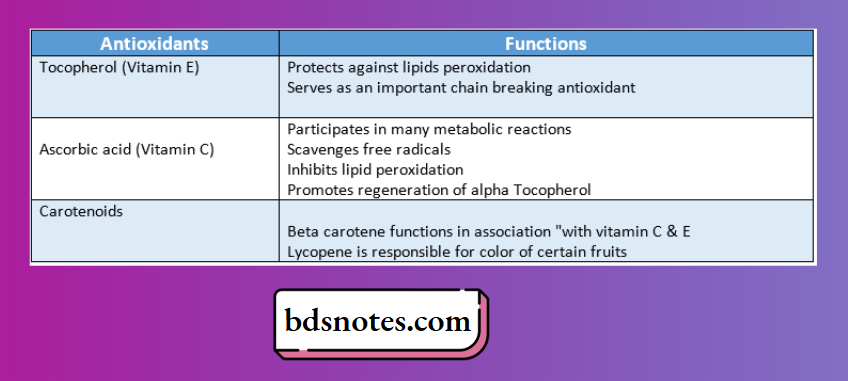
Question 5. Name two antioxidants & their functions
Answer:
“Importance of studying oxidative phosphorylation for medical students: Questions explained”
Question 6. Synthesis of cyclic AMP
Answer:
Oxidative phosphorylation in mitochondria
- cAMP is synthesized from ATP by adenylate cyclase located on tire inner side of the tire plasma membrane
- Adenylate cyclase is activated by a range of signaling molecules through tire activation of adenylate cyclase stimulatory G protein-coupled receptors Inhibited by agonists of adenylate cyclase inhibitory G protein-coupled receptors
- Liver adenylate cyclase responds to glucagon While muscle adenylate cyclase responds to adrenaline.
Leave a Reply