Neutrophils
“What are neutrophils? A detailed question and answers guide”
Question 1. Neutrophils.
Answer:
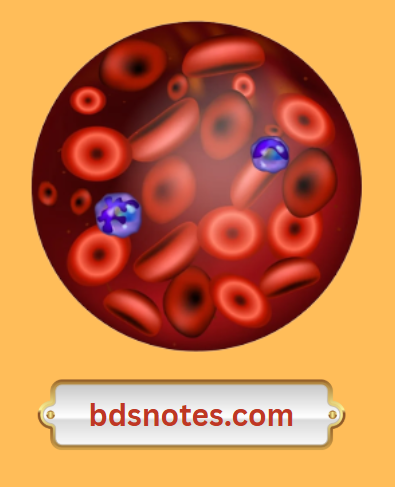
It constitute 50-70% of the total leucocyte count.
- Size: 10-14 μ in diameter.
- Structure:
- Nucleus is multilobed.
- Cytoplasm is granular, slight bluish in colour
- Granules are fine,
- pin-point.
“Understanding neutrophils through FAQs: Composition, functions, and uses explained”
“Importance of studying neutrophils for medical students: Questions explained”
Functions:
- Phagocytosis.
- Contains fever producing substances, endogenous pyrogen.
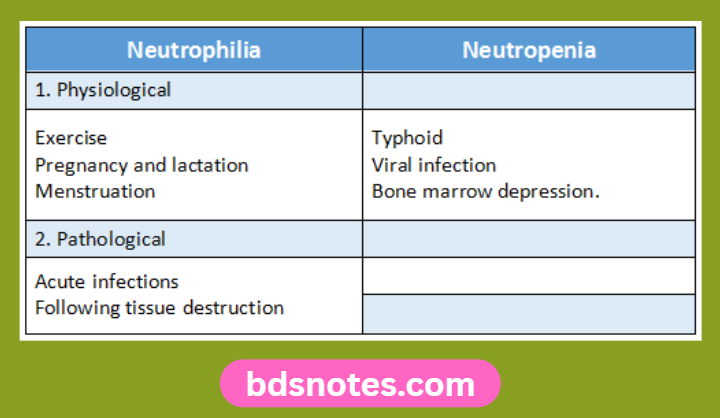
- Variations: causes.
Function of neutrophils
“Common challenges in mastering neutrophil notes effectively: FAQs provided”
Question 2. Lymphocytes.
Answer:
- It constitutes 20-30% of the total leucocyte count.
Structure:
- Nucleus – oval, large and kidney shaped.
- Nuclear chromatin is coarse and shapeless.
- Cytoplasm is scanty, pale blue and agranular.
Types:
1. Depending on the size.
- Large lymphocytes – 10-12 μ in diameter.
- Small lymphocyte – 7-10 m in diameter.
2. Depending on function.
- T lymphocytes – provide cellular immunity.
- B lymphocytes – provide humoral immunity.
Life-span:
Functions:
- They are responsible for defence mechanism by providing immunity to the body.
“Factors influencing success with neutrophil studies: Q&A”
Question 3. Autoimmune diseases.
Answer:
Definition:
- It is the diseases produced when body’s normal tolerance decreases and the immune system fails to recognize the body’s own tissues as “self” and attacks them.
Types:
1. Organ specific disease – affects only one organ.
2. Organ nonspecific disease – affects many organs.
Cause:
- Deficiency of suppressor – T-cell.
“Steps to explain functions of neutrophils: Phagocytosis vs degranulation: Q&A guide”

Leave a Reply