Internal Jugular Vein
Question 1. Formation & termination of internal jugular vein
Answer:
Formation:
- It is downward continuation of Sigmoid sinus at the lower border of the jugular foramen
Termination:
- It ends by joining the Subclavian vein to form the brachiocephalic vein behind medial end of the clavicle
“Understanding the internal jugular vein through FAQs: Composition, functions, and uses explained”
Question 2. Scalenus anterior muscle
Answer:
Scalenus anterior muscle:
- It is a paravertebral muscle
Origin:
- Anterior tubercles of transverse processes of cervical vertebrae 3, 4, 5 & 6
Insertion:
- Scalenus tubercle & adjoining ridge on the superior surface of first rib
Actions:
- Anterolateral flexion of cervical spine
- Rotates cervical spine to opposite side
- Elevates the first rib during inspiration
- Stabilizes the neck along with other muscles
“Importance of studying the internal jugular vein for medical students: Questions explained”
Question 3. Little’s area
Answer:
- It is common site of epitaxis
- It is an area of formation of large capillary network called the Kiesselbach’s plexus
- It is formed by anastomosis of five arteries
- Sphenopalatine artery
- Superior labial branch of facial artery
- Anterior ethmoidal artery
- Greater palatine artery
- Nasal branches of facial artery
“Common challenges in mastering internal jugular vein notes effectively: FAQs provided”
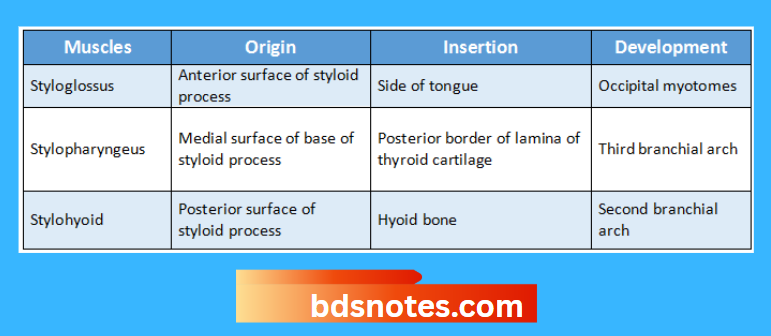
Question 4. Muscles attached to styloid process
Answer:
“Factors influencing success with internal jugular vein studies: Q&A”
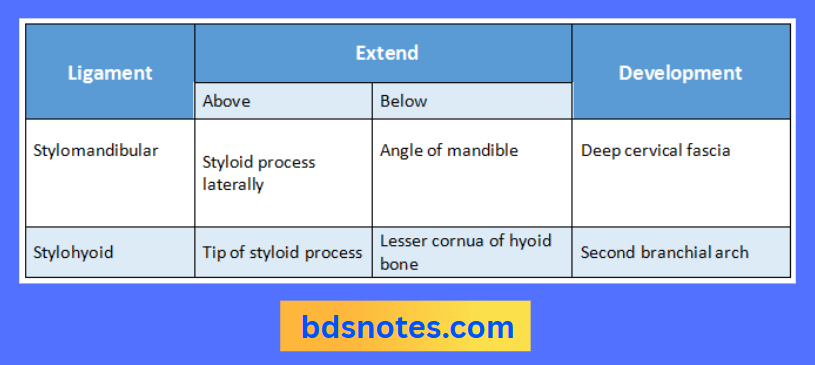
Question 5. Ligaments of styloid process
Answer:
“Steps to explain functions of the internal jugular vein: Venous drainage vs pressure regulation: Q&A guide”
Leave a Reply