Immunoglobulins Explained: Structure, Classes, and Functions
Question 1. Immunoglobulin
Answer:
- They are specialized groups of proteins
Immunoglobulin Structure:
- Consists of 2 heavy chains and 2 light chains
- These chains are held together by disulfide bonds
- Thus it forms Y shaped structure
- Heavy chains are linked to carbohydrates
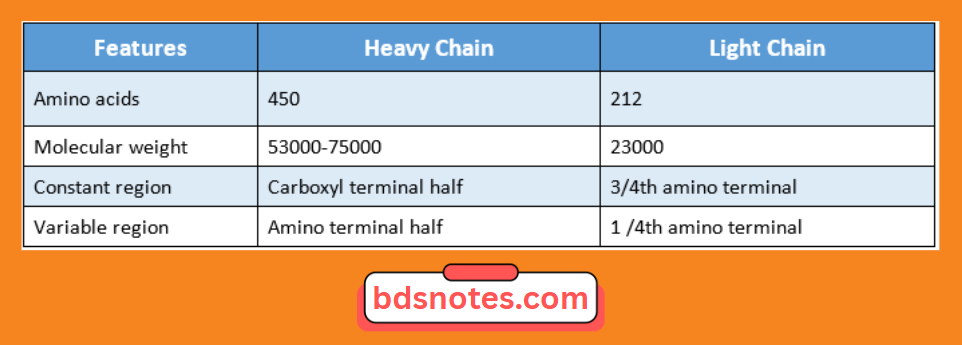
Immunoglobulin Classes:
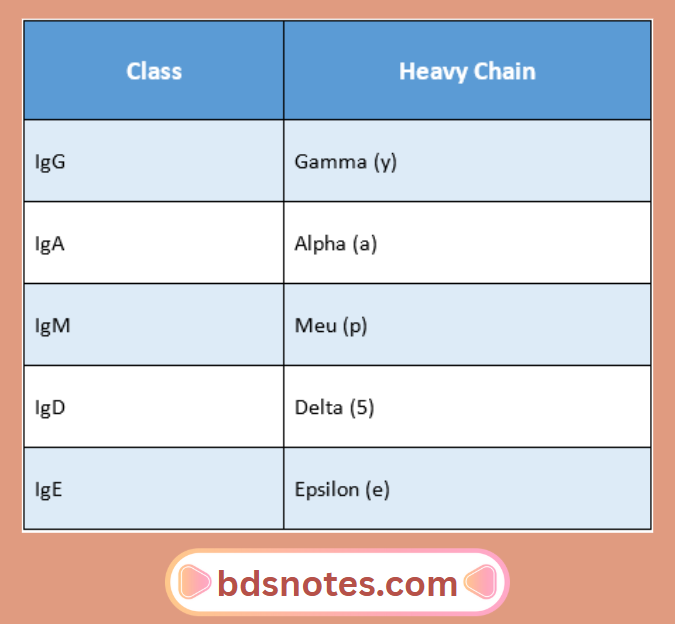
- They are named according to the heavy chain they contain
Question 2. What is S adenosyl methionine? How is it formed and what is its importance?
Answer:
S adenosyl methionine:
- It is sulfur-containing amino acids
S adenosyl methionine Formation:
- It is formed by a transmethylation reaction
- It occurs by the transfer of an adenosyl group from ATP to a sulfur atom of methionine by the methionine S adenosyl transferase enzyme
- As a result, sulfur becomes a sulfonium atom
- 3 ATP molecules are consumed in it
S adenosyl methionine Significance:
- Transfer methyl group to an acceptor from methionine
- Hydrolyses to homocysteine – remethylated to methionine by N- methyl tetrahydrofolate
- S adenosyl methionine is also involved in the synthesis of polyamines like spermine
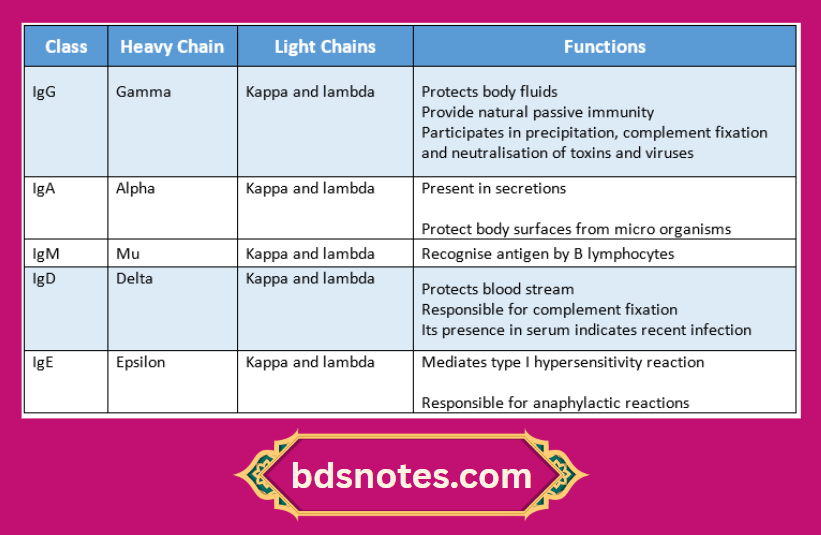
Question 3. Name different types of immunoglobulin and their functions, (or) Structure and functions of immunoglobulin.
Answer:
Immunoglobulin:
- All immunoglobulin consists of two identical heavy chains and two light chains held together by disulfide bonds.
- The variable region is present at the amino-terminus while the constant region is at the carboxy-terminal.
- Based on the heavy chain, immunoglobulin is classified into 5 classes.
Leave a Reply