“What is a hemisection and why is it performed?”
Hemisection
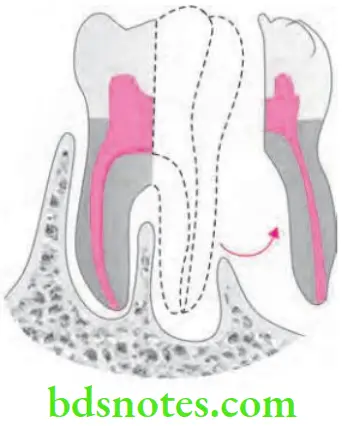
Hemisection is defined as “surgical removal of the root with associated part of the crown. It is used with reference to mandibular molars”. Glossary of periodontal terms 1986.
Hemisection is also known as bicuspidization.
Hemisection Procedure
- Local anesthesia should be given to the patient.
- Mucoperiosteum flap is raised.
- Thorough debridement is done.
“Importance of studying hemisection for dental professionals”
- Root resection starts with exposure of furcation on root to be removed which requires the removal of small amount of facial or palatal bone.
- A cut should be directed from apical to contact point of tooth to facial and distal orifices of furcation.
- Cut should be made by the high speed surgical length fissure or crosscut fissure carbide bur.
- If vital resection is done, horizontal incision is performed through the root.
“Understanding the role of hemisection in saving multi-rooted teeth”
“Common challenges in performing hemisection procedures”
- As sectioning is completed root is elevated from the socket.
- Flaps are approximated and sutured for maintaining the position.
Leave a Reply