Glycolysis
Metabolism
Define glycolysis, describe the reactions of its mention its significance.
Answer:
Glycolysis:
Also known as Embden – Meyerhof pathway.
It is derived from the Greek words “glycose”. sweet; “lysis” – dissolution/breakdown.
Definition:
It is defined as the sequence of reactions converting glucose/glycogen to pyruvate/lactate with the production of ATP.
It takes place in all cells of the body.
“Understanding glycolysis through FAQs: Pathways, functions, and uses explained”
Reactions:
- The glycolysis pathway can be divided into three distinct phases.
- Energy investment phase
- Splitting phase.
- Energy generation phase.
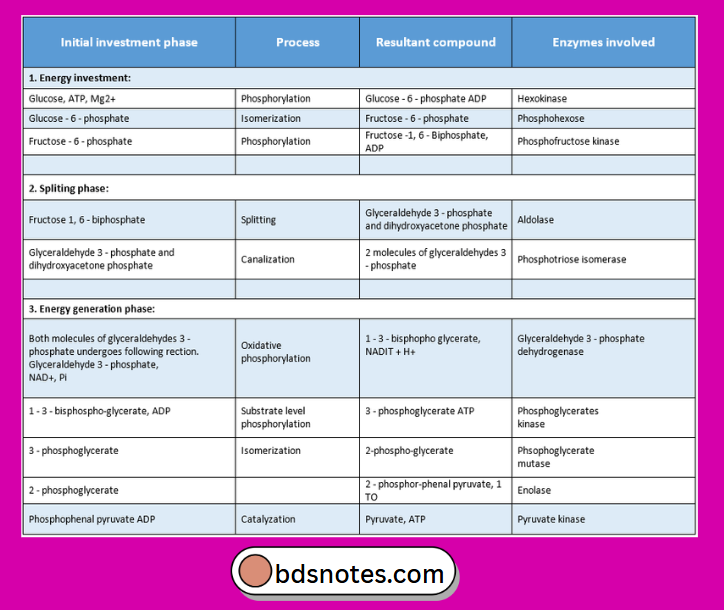
“Importance of studying glycolysis for medical students: Questions explained”
Significance:
- Glycolysis is very essential in skeletal muscle during strenuous exercise,
- Glycolysis hi the erythrocytes leads to lactate production.
- The brain, retina, skin, renal medulla, and GIT drive most of their energy from glycolysis.
- The occurrence of glycolysis is very much elevated in rapidly growing cancer cells.
“Common challenges in mastering glycolysis notes effectively: FAQs provided”
Reactions:
The glycolysis pathway can be divided into three distinct phases.
- Energy investment phase
- Splitting phase.
- Energy generation phase.
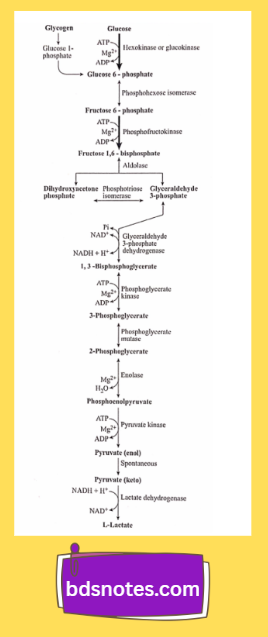
“Factors influencing success with glycolysis studies: Q&A”
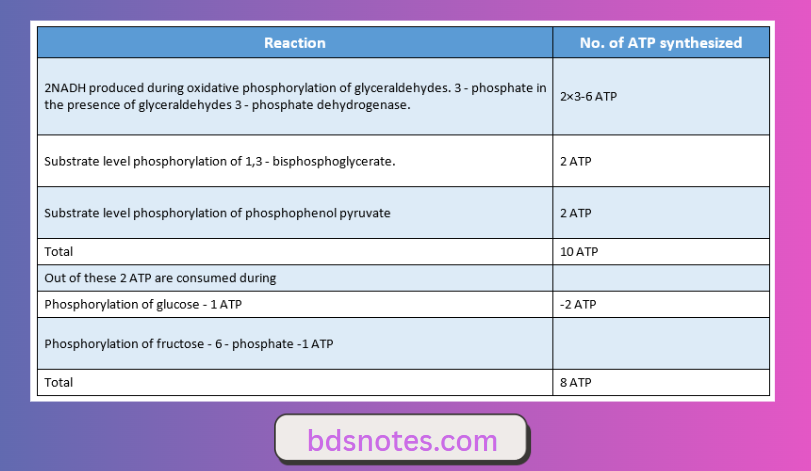
Energies:
Leave a Reply