From Decay to Destruction: The Stages of Dental Caries Progression
Question 1. Write short note on sequel of dental caries.”
“Common challenges in diagnosing dental caries progression effectively: FAQs provided”
Answer. Following is the sequel of dental caries
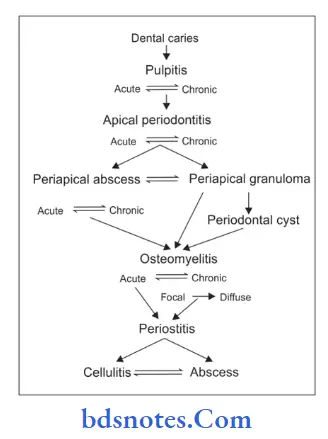
“Understanding the role of dental caries in oral health: Q&A explained”
Questio 2. Write short answer on role of carbohydrates in dental caries.
Answer. Fermentable dietary carbohydrates play an important role in the causation of caries, e.g. glucose, fructose and sucrose. Among them sucrose is more potent.
- Cariogenic carbohydrates are dietary in origin, as uncontaminated human saliva has negligible amount of carbohydrates regardless of blood sugar level.
- Salivary carbohydrates get bound to proteins as well as other compounds. They are not readily available for microbial degradation.
- Cariogenicity of dietary carbohydrates varies along with frequency of ingestion, physical form and the chemical composition, route of administration and presence of other food constituents.
- Sticky solid carbohydrates are more cariogenic as compared to their liquid form.
- Carbohydrates which get readily cleared from oral cavity via saliva and swallowing is less conducive to caries than to those which get slowly cleared.
“Importance of studying dental caries progression for better prevention: Questions explained”
- Polysaccharide gets less easily fermented by plaque bacteria as compared to monosaccharides and diasaccharides.
- Organisms of plaque release less acid from sugar alcohols,sorbitol, xylitol, mannitol. This implies that all these carbohydrates are non cariogenic.
- Carbohydrates which are fed through stomach tube or intravenously do not contribute to decay as they are unavailable for microbial breakdown.
- Food consisting of high fat, carbohydrate, protein or salt decreases oral retentiveness of carbohydrates.
- Refined pure carbohydrates are more carious as compared to crude carbohydrates which is complexed with other food elements which are capable of reducing enamel solubility or possessing antibacterial properties.
Leave a Reply