Fatty Liver – Symptoms, Causes And Treatment
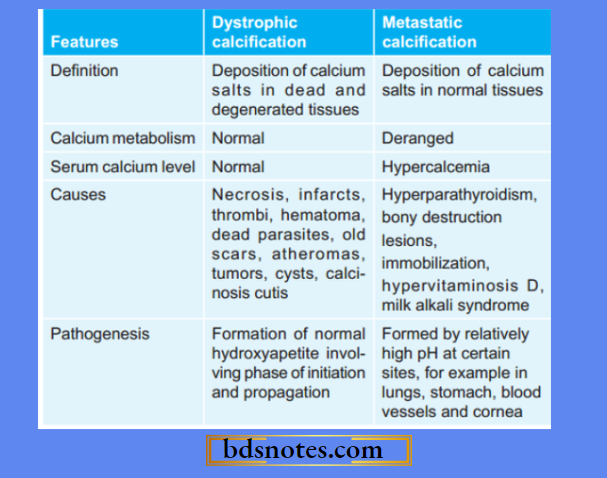
Question 1. Write The Difference Between Dystrophic And Metastatic Calcification.
Answer:
“Understanding fatty liver: Symptoms and treatment options”
Question 2. Write A Short Note On Fatty Changes.
Or
Write In Short About Fatt Liver.
Or
Write a Short Note On Fatt Degeneration.
Or
Write A Note On Fatt Liver.
Or
Define Degeneration And Give In Detail The Etiology, Pathogenesis, And Gross And Microscopic Changes Of Fatt Liver.
Answer:
Fatt change is the intracellular accumulation of neutral fat within parenchymal cells.
- Fatt change neither involves degeneration, nor it involves infiltration.
- The deposition of fat is in the cytosol, and it represents an acute increase in intracellular lipids.
- It is common in the liver and can occur in any non-fatty tissues such as the heart, skeletal muscle, kidney, liver, etc.
Fatty liver
“Importance of early diagnosis of fatty liver disease”
Fatty Liver
Fatty Liver Pathogenesis
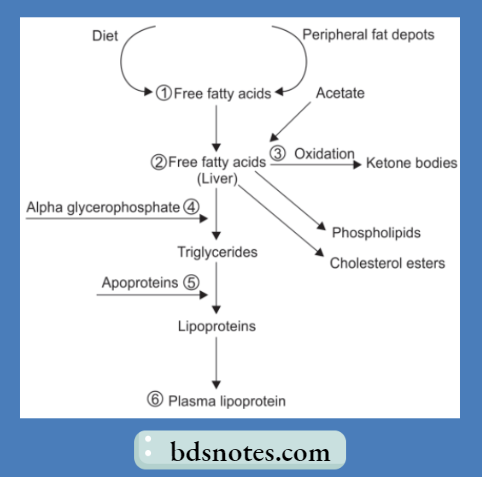
In fatty liver, accumulation of triglycerides can occur due to the following defects in normal fat metabolism:
- Increased entry of free acids into the liver.
- Increased synthesis of fatty acid by the liver.
- Decreased oxidation of fatty acids into ketone bodies.
- Increased glycerophosphate causes increased differentiation of fatty acids to triglycerides.
- Decreased synthesis of “lipid acceptor protein” so decreased formation of lipoprotein from triglycerides.
- Block in the excretion of lipoprotein from the liver into plasma.
“Techniques for managing fatty liver symptoms”
“Common types of fatty liver disease explained”
Fatty Liver Etiology
- Excess alcohol consumption
- Starvation
- Malnutrition
- Obesity
- Diabetes mellitus
- Chronic illness (tuberculosis)
- Late pregnancy
- Hepatotoxins such as CCl4, ether
- Certain drugs, such as steroids, tetracyclin, and aspirin
- Hypoxia in anemia and cardiac failure.
Fatty Liver Gross Changes

“Signs and symptoms of fatty liver disease”
Grossly, the fatty liver is enlarged, pale, soft, and yellowish with a tense glistening capsule and rounded margins. The focal fatty change is yellow mottling.
Fatty liver symptoms
Gross Changes Microscopically
- The lipid vacuoles are initially small and are present around a nucleus.
- With the progression of the process, the vacuoles become large, pushing the nucleus to the periphery of the cell.
- At times, the hepatocytes laden with large lipid vacuoles may rupture, and lipid vacuoles coalesce to form fatty cysts.
“Treatment options for managing fatty liver disease”
Events In Evaluation Of Fatty Liver

Leave a Reply