Fate Of Pyruvate
Question 1. Write four metabolic fates of pyruvic acid.
Answer:
The Fate of pyruvic acid:
1. In aerobic condition.
- Pyruvic acid is converted to acetyl CoA in the presence of oxygen.
- This acetyl CoA enters into the TCA cycle.
2. In gluconeogenesis.
- Pyruvic acid is converted to glucose/glycogen.
- This is used in gluconeogenesis.
“Understanding the fate of pyruvate through FAQs: Pathways, functions, and uses explained”
3. Transamination.
- Pyruvic acid is converted to alanine by transamination.
4. In anaerobic conditions.
- Pyruvic acid is converted to lactic acid during anaerobic glycolysis by lactate dehydrogenase enzyme.
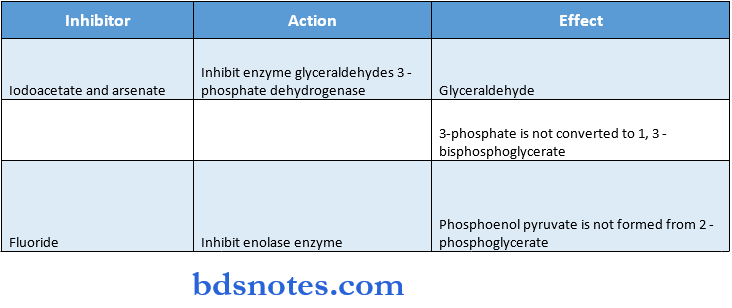
Question 2. Mention two inhibitors in the glycolytic pathway. How do they act?
Answer:
“Importance of studying the fate of pyruvate for medical students: Questions explained”
Question 3. Define gluconeogenesis. Mention the key enzymes of it.
Answer:
Definition:
- The synthesis of glucose from non-carbohydrate compounds is known as gluconeogenesis.
Key enzymes:
- Pyruvate carboxylase
- Fructose 1, 6 – bisphosphate
- Glucose 6 – phosphatase.
“Common challenges in mastering the fate of pyruvate notes effectively: FAQs provided”
Question 4. Significance of HMP pathway.
Answer:
- The HMP pathway generates two important products.
1. Pentoses:
Used for the synthesis of nucleic acids and nucleotides.
2. NADPH:
- Required for reductive biosynthesis of fatty acids and steroids.
- Used in the synthesis of certain amino acids.
- Brings about the detoxification of drugs.
- Helps in phagocytosis.
- Essential to preserve the integrity of the RBC membrane.
“Factors influencing success with the fate of pyruvate studies: Q&A”
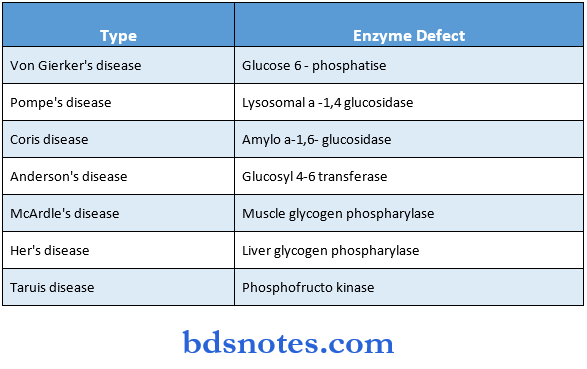
Question 5. Various glycogen storage disorders.
Answer:
The metabolic defects concerned with glycogen synthesis and degradation are referred to as glycogen storage disorders. They occur due to enzyme defects.
“Steps to explain the pathways of pyruvate: Aerobic vs anaerobic metabolism: Q&A guide”
Question 6. Von Gierker’s disease
Answer: It is a metabolic defect concerned with the glycogen synthesis
Cause:
Glucose -6- phosphatase defect
“Role of pyruvate dehydrogenase in converting pyruvate to acetyl-CoA: Questions answered”
Clinical Features:
- Enlarged liver and kidney
- Fasting hypoglycemia
- Lactic acidaemia
- Hyperlipidaemia
- Ketosis
- Gouty arthritis
Leave a Reply