Extraoral Anchorage
“What is extraoral anchorage in orthodontics and why does it matter?”
- An anchorage in which the resistance units are situated outside the oral cavity is termed extraoral anchorage.
- Extraoral anchorage is used in the correction of skeletal problems.
- Extraoral Anchorage can be used as a form of reinforced anchorage.
- Various extraoral anchorage sites, along with their examples, are:
- In the occiput region: The Head pull gear and chin cup are advised
- Back of the neck: Cervical headgear is advised.
- Forehead: Reverse pull headgear is advised.
- Chin: Reverse pull headgear and chin cup are advised.
- In the parietal region, Combination headgear is advised.
“Understanding the role of extraoral anchorage in orthodontic treatment”
Extraoral anchorage plays a significant role in orthodontics, providing essential support during treatment. This method involves using devices placed outside the mouth to help control tooth movement effectively. By understanding the various techniques and benefits associated with extraoral anchorage, orthodontists can enhance treatment outcomes and minimize complications. In this article, we will explore the definition, advantages, techniques, challenges, and future trends of extraoral anchorage, along with some insightful case studies.
Extraoral Anchorage Key Significance
- Extraoral anchorage includes devices like headgear and facemasks that help control tooth movement.
- It offers benefits such as better stability and reduced need for tooth extractions.
- Patient compliance is crucial for the effectiveness of extraoral anchorage systems.
- Challenges include discomfort and aesthetic concerns for patients using these devices.
- Future advancements may lead to innovative technologies that integrate with digital orthodontics.
“Importance of studying extraoral anchorage for better treatment planning”
Understanding Extraoral Anchorage
“Common challenges in using extraoral anchorage effectively”
Definition and Importance
Extraoral anchorage in orthodontics refers to using structures outside of the mouth, like the skull or neck, to provide a stable base for tooth movement. This is especially useful when significant tooth movement is needed, and relying solely on teeth within the mouth wouldn’t provide enough resistance. Anchorage is a critical concept. Without proper anchorage, the forces applied to move certain teeth could inadvertently shift other teeth in undesirable ways. Think of it like trying to pull a heavy object – you need a firm anchor point to get any real traction. If the anchor gives way, you’re not going to move the object effectively. The same principle applies in orthodontics; stable anchorage ensures that the targeted teeth move as planned, leading to better treatment outcomes.
Types of Extraoral Anchorage
There are several types of extraoral anchorage, each utilizing different anatomical sites for support. The main types include:
- Headgear: This is probably the most well-known type. It uses a strap that goes around the back of the head or neck, attaching to the braces via wires or elastics. Headgear can apply different forces depending on its design, such as high-pull, cervical-pull, or straight-pull.
- Facemask: A facemask is typically used to protract the upper jaw in cases of underbite or midface deficiency. It consists of a frame that rests on the forehead and chin, with elastics connecting it to the upper braces.
- Cervical Anchorage: This type uses the neck as the anchor point, typically with a strap that applies a backward and upward force. It’s often used to correct overbites and distalize upper molars.
“Steps to explain the design and components of extraoral anchorage”
Choosing the right type of extraoral anchorage depends on the specific orthodontic problem being addressed, the patient’s growth pattern, and their cooperation level. Each type has its advantages and disadvantages, and the orthodontist will carefully evaluate these factors before making a recommendation.
Extraoral Anchorage Clinical Applications
Extraoral anchorage has a wide range of clinical applications in orthodontics. It’s particularly useful in cases where maximum anchorage is required, meaning that the posterior teeth need to be held firmly in place while the anterior teeth are retracted. Some common applications include:
- Class II malocclusion correction: Extraoral anchorage, especially headgear, can be used to distalize upper molars, correcting an overbite and improving the bite relationship.
- Class III malocclusion correction: Facemasks are often used to protract the upper jaw in patients with an underbite, improving facial aesthetics and bite function.
- Severe crowding: In cases of severe crowding, extraoral anchorage can help create space for the teeth to align properly, potentially reducing the need for tooth extractions. subzygomatic ridge
“Role of headgear in extraoral anchorage systems”
Extraoral anchorage can also be used to address other orthodontic problems, such as open bites, deep bites, and asymmetry. The key is to carefully assess the patient’s needs and select the appropriate appliance and force system to achieve the desired treatment goals.
Advantages Of Extraoral Anchorage
Enhanced Stability
Extraoral anchorage shines when it comes to keeping things steady during orthodontic work. It provides a more stable base compared to relying solely on teeth inside the mouth. Think of it like this: instead of just using your desk to hold something in place, you’re using the whole wall. This is especially helpful in cases where you need to move teeth a lot, or when you’re dealing with strong muscles that can pull teeth out of alignment. By using structures outside the mouth, like the head or neck, you get a stronger, more reliable anchor. This means less unwanted movement of the teeth you’re trying to keep still, and a better chance of getting the results you want. It’s all about that solid foundation for successful treatment. For example, TAD-supported treatment offers versatility in location due to its small size.
Reduced Need for Tooth Extractions
One of the coolest things about extraoral anchorage is that it can sometimes help you avoid pulling teeth. Nobody wants to lose teeth if they don’t have to, right? Extraoral anchorage gives orthodontists more options for moving teeth around and creating space. Instead of automatically going for extractions to fix crowding, they can use the extra support to shift teeth back or widen the dental arch. This is a big win for patients who are worried about the aesthetic and functional impacts of extractions. Plus, keeping all your natural teeth is generally better for your overall oral health in the long run. It’s like finding a clever workaround instead of taking the drastic step of removing something.
“Early warning signs of issues with extraoral anchorage usage”
Improved Treatment Outcomes
Ultimately, the goal of any orthodontic treatment is to get the best possible result. Extraoral anchorage can play a big role in making that happen. By providing better stability and reducing the need for extractions, it helps orthodontists achieve more precise and predictable tooth movements. This can lead to better alignment, a more balanced bite, and an overall improvement in the appearance of your smile. It’s not just about straightening teeth; it’s about creating a functional and aesthetically pleasing result that lasts. Think of it as fine-tuning a musical instrument – the better the anchor, the more precise the adjustments, and the sweeter the music. It’s all about maximizing the potential for a successful and satisfying outcome. It’s important to consider all factors to establish the necessary amount and type of anchorage to accomplish treatment objectives.
Extraoral anchorage can be a game-changer in complex orthodontic cases. It allows for treatment options that might not be possible with traditional methods, leading to more effective and long-lasting results. It’s not a magic bullet, but it’s a powerful tool in the hands of a skilled orthodontist.
Techniques For Implementing Extraoral Anchorage
Headgear Utilization
Headgear is a pretty common way to apply extraoral force. It’s a device that uses straps around the head or neck to connect to the braces in your mouth. The cool thing about headgear is that it can be adjusted to deliver different types of force, depending on what you’re trying to achieve. For example, high-pull headgear applies an upward and backward force, which is great for controlling the vertical growth of the maxilla (upper jaw). Cervical pull headgear, on the other hand, applies a downward and backward force, which can help with correcting an open bite. It’s not the most fashionable thing, but it can make a difference in certain cases. It’s important to consider good bone support when using headgear.
- High-Pull Headgear: Controls vertical maxillary growth.
- Cervical-Pull Headgear: Corrects open bites.
- Adjustable Force: Tailored to specific treatment goals.
“Asymptomatic vs symptomatic effects of improper extraoral anchorage application”
Facemask Applications
Facemasks are another type of extraoral appliance, but they’re typically used to treat Class III malocclusions, where the lower jaw is too far forward. The facemask usually consists of a frame that rests on the forehead and chin, with elastics that attach to the upper braces. This creates a forward pull on the upper jaw, encouraging its growth and helping to correct the bite. It can be a bit bulky and take some getting used to, but it’s often a effective way to address skeletal issues in growing patients. The success of facemask applications depends heavily on patient compliance, especially since they’re often worn outside the house for a certain number of hours each day.
Cervical and High-Pull Mechanics
Cervical and high-pull mechanics refer to the direction of force applied by extraoral appliances like headgear. Cervical pull headgear uses a strap around the neck to apply a downward and backward force, which can help to close an open bite by encouraging the molars to erupt. High-pull headgear, as mentioned earlier, uses a strap that goes over the top of the head to apply an upward and backward force. This is useful for controlling vertical maxillary excess and preventing the upper jaw from growing too much. The choice between cervical and high-pull mechanics depends on the specific needs of the patient and the type of malocclusion being treated. It’s all about understanding the biomechanics and how the forces will affect the growth and movement of the jaws and teeth. The use of intermaxillary elastics can also influence the outcome.
Extraoral anchorage techniques, while effective, require careful planning and execution. Factors such as patient age, growth potential, and the severity of the malocclusion must be considered to achieve optimal results. Regular monitoring and adjustments are also essential to ensure that the forces are being applied correctly and that the treatment is progressing as planned.
Challenges In Extraoral Anchorage
Patient Compliance Issues
One of the biggest hurdles with extraoral anchorage is getting patients to wear the appliances. It’s a constant battle, especially with younger patients. Headgear and facemasks can be uncomfortable and, let’s be honest, not the most stylish accessories. If they aren’t worn for the prescribed amount of time each day, the whole treatment plan can go off the rails. It’s not just about wearing it; it’s about wearing it correctly.
- Inconsistent wear leads to treatment delays.
- Poor compliance can result in failed treatment outcomes.
- Requires constant reinforcement and motivation from the orthodontist and parents.
“Differential applications of cervical vs high-pull headgear”
It’s important to set realistic expectations from the start. Explain the importance of compliance in a way that the patient understands. Use visual aids, progress charts, and positive reinforcement to keep them motivated. Regular check-ins and open communication are key to addressing any concerns and keeping them on track.
Potential Discomfort
Let’s face it, wearing something that pulls on your face all day isn’t exactly a walk in the park. Extraoral appliances can cause discomfort, especially in the initial stages of treatment. This discomfort can range from mild soreness to more significant pain, impacting the patient’s daily life. The pressure exerted by the appliance can irritate the soft tissues and even affect sleep. Managing this discomfort is crucial for maintaining patient cooperation. We need to consider the mandibular plane angle to ensure proper fit and minimize discomfort.
- Soft tissue irritation.
- Headaches.
- Difficulty sleeping.
“Steps to educate patients about extraoral anchorage and its importance”
Aesthetic Concerns
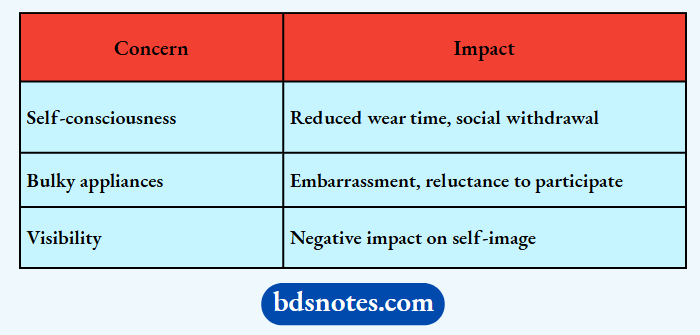
Appearance matters, especially to teenagers. Wearing headgear or a facemask can be a major source of self-consciousness. Aesthetic concerns can lead to decreased self-esteem and reluctance to wear the appliance in public. It’s important to acknowledge these concerns and work with patients to find solutions that minimize the impact on their appearance. Sometimes, it’s about finding the right type of appliance or adjusting the treatment plan to make it more discreet.
Here’s a simple breakdown of how aesthetic concerns can affect treatment:
“Role of counseling in clarifying anchorage goals for patients”
Comparative Analysis Of Anchorage Systems
“How do educational materials explain complex extraoral anchorage concepts?”
Extraoral vs. Intraoral Anchorage
Okay, so let’s talk about the showdown: extraoral versus intraoral anchorage. It’s like comparing apples and oranges, but both are trying to get your teeth in line. Intraoral anchorage uses teeth and other structures inside the mouth to resist unwanted tooth movement. Think of it as your own team working together. Extraoral anchorage, on the other hand, brings in the big guns from outside the mouth, like headgear.
Here’s a quick breakdown:
- Intraoral: Relies on teeth, alveolar bone, and even muscles within the mouth.
- Extraoral: Uses structures outside the mouth, such as the cranium or neck.
- Stability: Extraoral often provides greater stability, especially for significant movements.
Choosing between the two really depends on the case. Sometimes, you need that extra oomph that only extraoral can provide. Other times, intraoral is perfectly sufficient and way less cumbersome for the patient.
Effectiveness In Different Cases
Not every orthodontic case is the same, right? Some are simple, some are… not so simple. That’s where understanding which anchorage system works best comes in. For minor adjustments, intraoral anchorage might be all you need. But when you’re dealing with severe malocclusions or needing to move teeth a long way, extraoral anchorage can be a game-changer. Experts have concluded that bone-anchored devices offer superior sagittal skeletal correction.
Think of it this way:
- Mild Cases: Intraoral anchorage (e.g., using molars to pull back incisors).
- Moderate Cases: A combination of intraoral and maybe some temporary anchorage devices (TADs).
- Severe Cases: Extraoral anchorage, like headgear, to really get those big movements happening.
“Can interactive tools improve adherence to extraoral anchorage-based plans?”
Long-term Outcomes
So, you get your teeth straightened. Awesome! But what about ten years down the road? That’s what we mean by long-term outcomes. The goal is stability, meaning your teeth stay where they’re supposed to. Both extraoral and intraoral anchorage can achieve this, but there are some things to consider. With extraoral, compliance is huge. If you don’t wear your headgear, things can relapse. Intraoral, while less dependent on patient action, might have limitations in complex cases, potentially leading to some drift over time. It’s all about choosing the right tool for the job and making sure the patient is on board for the long haul. Careful anchorage planning is important for optimal orthodontic treatment.
Future Directions In Extraoral Anchorage
Innovative Devices and Technologies
The field of extraoral anchorage is on the cusp of some pretty cool changes. We’re seeing a move toward smaller, more comfortable devices. Think about it: less bulky headgear and more streamlined facemasks. The focus is shifting to patient-friendly designs that don’t scream “orthodontic treatment” to the world.
- Miniaturization of components
- Use of biocompatible materials
- Integration of smart technology for monitoring
Research Trends
Research is diving deep into understanding how extraoral forces affect the craniofacial complex. Scientists are using advanced imaging techniques to get a better look at bone remodeling and tooth movement. This will help us fine-tune our treatment plans and predict outcomes more accurately. It’s not just about pulling teeth anymore; it’s about understanding the whole system.
We’re also seeing a push for studies that look at long-term stability. It’s great if the teeth look good right after treatment, but what about ten years down the road? That’s the question researchers are trying to answer.
Integration with Digital Orthodontics
Digital tech is changing everything, and extraoral anchorage is no exception. We’re talking about using 3D printing to create custom-fit appliances. Imagine a facemask that’s perfectly molded to your face – way better than the generic ones we used to have. Plus, computer simulations can help us plan treatments with incredible precision. It’s like having a crystal ball that shows us exactly how the teeth will move.
- 3D-printed custom appliances
- Virtual treatment planning
- Integration with intraoral scanners
“Asymptomatic vs symptomatic effects of poor communication”
Case Studies In Extraoral Anchorage
Successful Treatment Examples
Let’s look at some real-world wins. We’ve seen some amazing results using extraoral anchorage. One notable case involved a young patient with a severe Class II malocclusion, where traditional methods would have likely required tooth extractions. Instead, we used a combination of headgear and fixed appliances. The result? A beautifully aligned smile and a happy patient who got to keep all their teeth. Another success story involved correcting a significant overjet in an adult patient. Extraoral anchorage provided the necessary force to guide the teeth into their ideal positions, improving both function and aesthetics. These cases highlight the potential of extraoral anchorage when applied thoughtfully and with precision.
Lessons Learned from Failures
Not every case is a home run, and it’s important to talk about the times things didn’t go as planned. One common issue is patient compliance. If a patient isn’t consistent with wearing their headgear, the treatment simply won’t work. We had a case where a teenager was supposed to wear headgear for 12 hours a day, but only wore it sporadically. This led to prolonged treatment time and a less-than-ideal outcome. Another challenge is managing discomfort. Some patients find headgear uncomfortable, which can also affect compliance. We’ve learned that careful adjustments and clear communication are key to minimizing discomfort and keeping patients on track. It’s also important to properly assess anchor screws and plates to ensure proper placement and stability.
“Early warning signs of knowledge gaps in patient understanding”
Patient Testimonials
Hearing directly from patients can really show the impact of extraoral anchorage. Here are a few snippets:
- “I was really nervous about getting braces, but the headgear wasn’t as bad as I thought. It definitely helped my teeth move faster!”
- “At first, the headgear felt a little weird, but I got used to it pretty quickly. Now, I love my smile!”
- “I’m so glad I didn’t have to get any teeth pulled. The headgear was worth it!”
These testimonials highlight the positive experiences many patients have with extraoral anchorage. While there can be challenges, the end result – a straighter, healthier smile – is often well worth the effort. It’s all about setting expectations, providing support, and celebrating the small victories along the way.
Wrapping Up Extraoral Anchorage In Orthodontics
In conclusion, extraoral anchorage plays a significant role in orthodontics, offering a way to manage tooth movement effectively. By using devices like headgear, orthodontists can create a stable foundation for treatment, which is especially helpful in complex cases. However, patient cooperation is key to making these devices work. While they can be a bit cumbersome, the benefits often outweigh the drawbacks. It’s all about finding the right balance between comfort and effectiveness. As orthodontic techniques continue to evolve, understanding and utilizing extraoral anchorage will remain essential for achieving the best results in patient care.
Anchorage In Orthodontics Frequently Asked Questions
Question 1. What Is Extraoral Anchorage In Orthodontics?
Answer: Extraoral anchorage is a method used in orthodontics to help hold teeth in place while other teeth are being moved. It uses devices placed outside the mouth, like headgear, to provide support.
Question 2. Why Is Extraoral Anchorage Important?
Answer: It is important because it helps create more stable support for tooth movement. This can lead to better results and sometimes means that teeth do not need to be removed.
Question 3. What Are Some Types Of Extraoral Anchorage?
Answer: Some common types include headgear, facemasks, and cervical or high-pull devices. Each type works differently to support tooth movement.
Question 4. What Are The Benefits Of Using Extraoral Anchorage?
Answer: The benefits include better stability for teeth, less chance of needing tooth extractions, and improved overall results from the treatment.
Question 5. What Challenges Might Patients Face With Extraoral Anchorage?
Answer: Patients may have trouble wearing the devices consistently, feel discomfort, or be concerned about how the devices look.
Question 6. How Does Extraoral Anchorage Compare To Intraoral Anchorage?
Answer: Extraoral anchorage tends to provide more stability than intraoral anchorage, which is often less stable and might require more complicated appliances.
Leave a Reply