ECG Lead Positioning
Question 1. ECG is lead I.
Answer:
- To record ECG, the surface of the body is connected to the ECG machine by means of electrodes called ECG leads.
Lead-I:
- It is obtained by connecting right arm and left arm.
- The right arm is connected to the negative terminal of the instrument.
- The left arm is connected to the positive terminal of the machine.
“Understanding ECG lead positioning through FAQs: Anatomy, placements, and uses explained”
Question 2. Anaphylactic shock.
Answer:
- It is a rapidly developing severe allergic reaction.
- It occurs when an individual who has previously been sensitive to an antigen is re-exposed to it.
Anaphylactic shock Mechanism:
Occurence of generalized antigen-antibody reactions.
↓
This causes release of large amount of histamine
↓
Vasodilation increases
↓
Leads to increase in capillary permeability.
↓
Causes loss of proteins and water from blood.
↓
Results in shock.
“Importance of studying ECG lead positioning for medical students: Questions explained”
Question 3. Immediate effects of moderate haemorrhage.
Answer:
- During moderate haemorrhage occurs compensatory changes take place and normal condition is restored.
- These change are
- Blood pressure decreases slightly and soon it returns back to normal.
- Tachycardia.
- Produces rapid pulse.
- Generalised vasoconstriction.
- This increases the peripheral resistance.
- Causes reflex venoconstriction.
- Venoconstriction enhances venous return, ventricular filling and stroke volume.
- Stimulation of adrenal medulla.
- Causes increase in catecholamine release.
- Stimulation of respiratory centre.
- Leads to rapid shallow breathing.
- Stimulation of reticular system.
- Produces restlessness, apprehension.
- Renal vasoconstriction results in.
- Renal ischaemia.
“Common challenges in mastering ECG lead positioning notes effectively: FAQs provided”
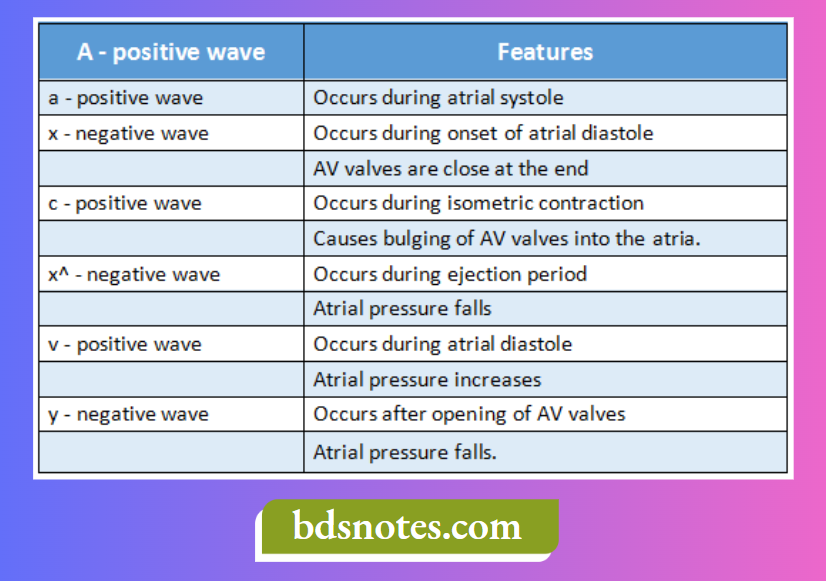
Question 4. Intra atrial pressure cruve.
Answer:
It has three positive waves – a, c & v and three negative waves – x, x1, & y.
“Factors influencing success with ECG lead positioning studies: Q&A”
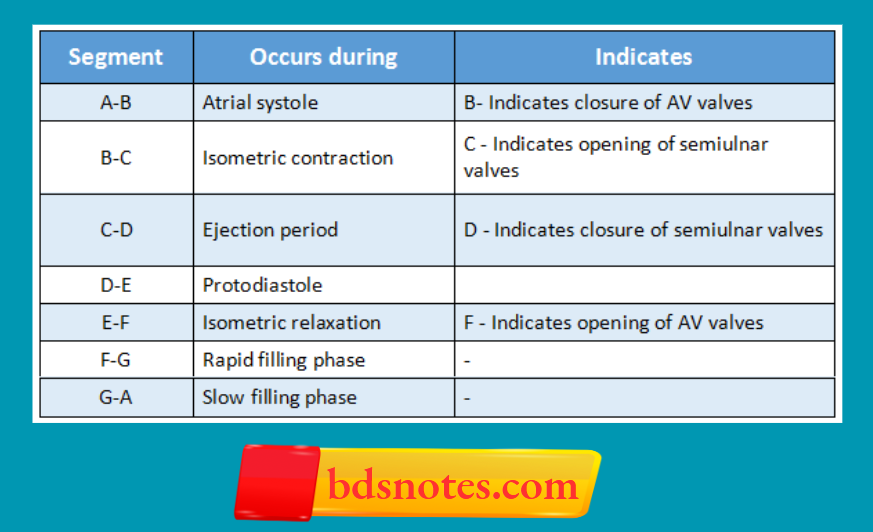
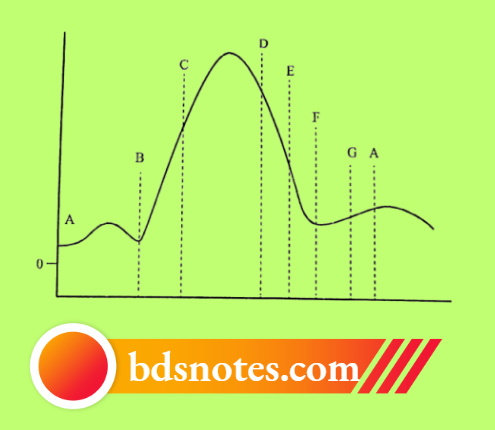
Question 5. Intraventricular pressure curve.
Answer:
It has seven segments:
“Steps to explain types of ECG leads: Standard 12-lead vs modified leads: Q&A guide”
ECG lead placement in females
Leave a Reply