Citric Acid Cycle Regulation
Describe the following aspects of the citric acid cycle.
- Reactions
- Energetics
- Regulation
- Functions
Answer:
Citric acid cycle:
It is a cyclic process that involves the oxidation of acetyl CoA to carbon dioxide and water.
Reactions:
“Understanding citric acid cycle regulation through FAQs: Mechanisms, functions, and uses explained”
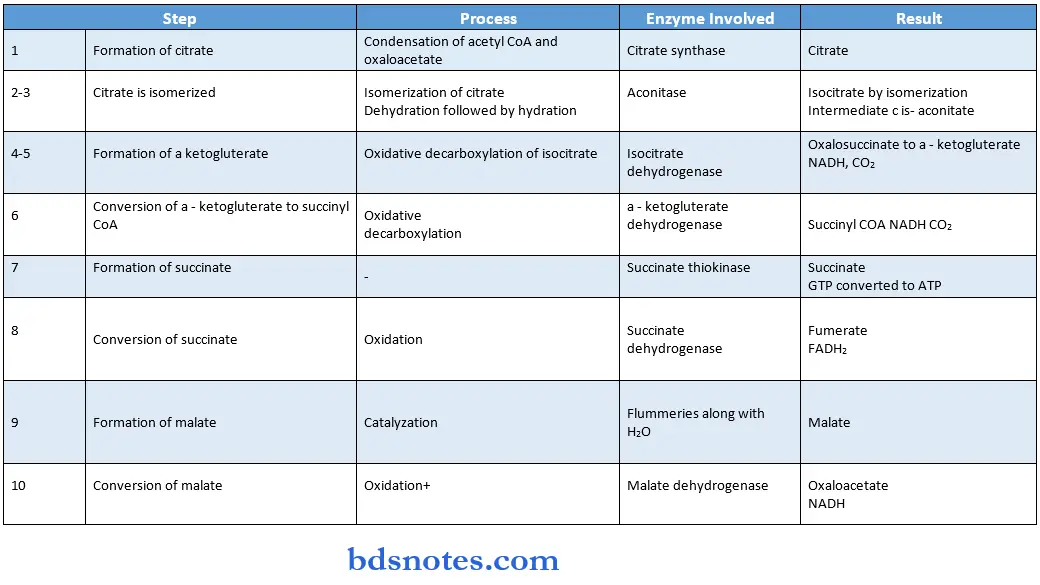
“Importance of studying citric acid cycle regulation for biochemistry students: Questions explained”
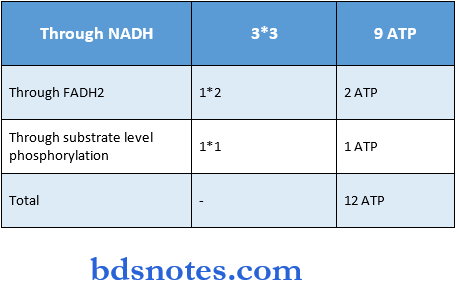
Energetics:
- Each NADH produces 3 ATP through the electron transport chain. 3 NADH is produced in the citric acid cycle
- Each FADH2 produces 2 ATP through the electron transport chain. 1 FADH2 is produced in the citric acid cycle.
- Substrate-level phosphorylation produces one ATP
How is the citric acid cycle regulated
Thus, the total ATP produced is:
“Common challenges in mastering citric acid cycle notes effectively: FAQs provided”
Regulation:
- The citric acid cycle is regulated by three simple mechanisms
- Substrate availability
- Product inhibition
- Competitive feedback inhibition
- All regulatory enzymes of the citric acid cycle are inhibited by NADH
- ATP is an allosteric inhibitor of pyruvate dehydrogenase and isocitrate dehydrogenase
“Factors influencing success with citric acid cycle studies: Q&A”
Functions:
- It is the most important pathway for the energy supply to the body
- It is the final oxidative pathway for carbohydrates, fats, and amino acids
- It provides many intermediates required for the synthesis of amino acids, glucose, heme, etc.
- It synthesizes
- Aspartate from oxaloacetate
- Glutamate from a-ketoglutarate
- Porphyrins and heme from succinyl CoA
- Fatty acids, steroids from acetyl CoA
Leave a Reply