Chromium Alloys
Classify the denture base materials. How far does cobalt chromium alloy fulfill the requirements for a partial denture base?
Answer:
The material which is used for forming the denture base is called “Denture base material”.
Classification of Denture Base Materials:
“Factors influencing success with chromium alloy knowledge: Q&A”
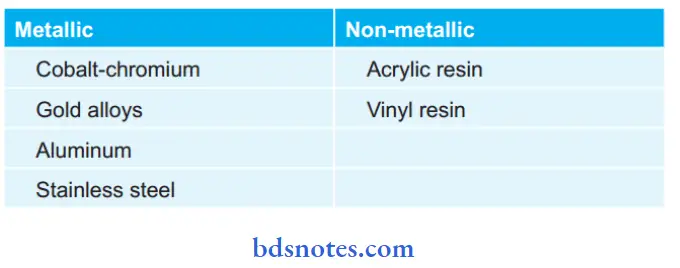
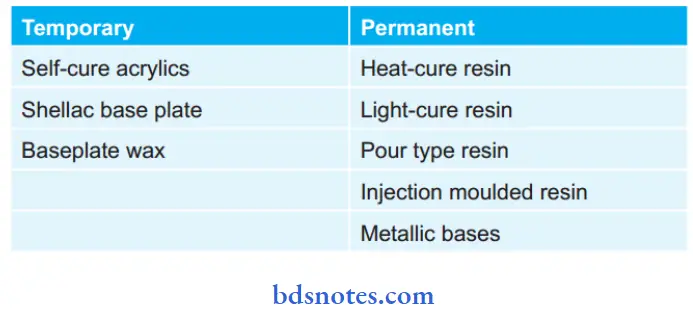
“Understanding chromium alloys through FAQs: Composition, properties, and applications explained”
Cobalt-chromium Alloy is used as a Denture Base Material:
Cobalt-chromium alloy is the base metal alloy that is used for denture bases.
- They possess high strength: Their excellent corrosion resistance, especially at high temperatures, makes them useful for several applications.
- They are also known as “satellites” because of their shiny, star-like appearance.
Read And Learn More: Dental Materials Question And Answers
Properties Of Denture Base Material:
The Cobalt-chromium alloys have replaced type IV gold alloys, especially for making cast partial RPDs, because of their lower cost and good mechanical properties:
- The density is half that of gold alloys, so they are lighter in weight.
- Being a much larger structure, the lighter weight aids in retention in the mouth.
“Importance of studying chromium alloys for engineers and metallurgists: Questions explained”
Dental Chromium Alloys
- They are twice as stiff as gold alloys, which aids in making the casting thinner.
- This is important, especially in the palate region where having a thin palatal portion makes it more comfortable to the patients.
- The high stiffness prevents the frame from bending under occlusal forces.
- They have good fatigue resistance. This property is important for clasps.
- Clasps have to flex when inserted or removed from the mouth.
- If they do not have good fatigue resistance, they break after repeated insertion and removal (less than gold).
- Less expensive than gold alloy, a large structure would require more metal therefore the cost of the alloy should be low.
- Tarnish and corrosion resistant because chromium forms a layer of chromium oxide on the surface of alloys and prevents tarnish and corrosion.
Medical-Grade Chromium Alloys
- This is called “passivation”.
“Common challenges in mastering chromium alloys effectively: FAQs provided”
Leave a Reply