Mitochondria and Cell Types Explained: Structure, Function, and Key Differences
Question 1. Structure and function of mitochondria.
Answer.
Structure of Mitochondria:
“Role of cristae in ATP production: Questions answered”
- Mitochondria are rod-like or filamentous bodies, with dimensions of 1 * 3 microns
- About 2000 mitochondria, occupying one-fifth of the total cell volume, are present in a typical cell.
- The mitochondrion consists of 5 distinct parts
- The outer membrane
- The inner membrane
- The intermembrane space
- The cristae
- The matrix
“Understanding mitochondria and cell types through FAQs: Q&A explained”
Read And Learn More: BSc Nursing 1st Year Nutrition And Biochemistry Previous Year Question and Answers
- The mitochondria are composed of a double membrane system
- The outer membrane is smooth and completely envelops the organelle
- The inner membrane is impermeable to ions and small molecules
“Importance of studying mitochondria for better health outcomes: Questions explained”
- The inner membrane is highly folded to form cristae, which greatly increase its surface area.
- The interior ground substance is called the mitochondrial matrix
- The mitochondrial matrix contains a circular double-stranded DNA (mtDNA), RNA, and ribosomes.
Functions Of Mitochondria:
- The mitochondria are the centers for metabolic oxidative reactions and are regarded as the powerhouse of the cell.
- Mitochondria are the centers for cellular respiration and energy metabolism
- The ETC and ATP synthesizing system are located on the inner mitochondrial membrane
- The inner surface of the inner mitochondrial membrane has specialized particles (that look like lollipops), the phosphorylating subunits, which are the centers for ATP production
- The matrix also participates in the synthesis of haeme and urea
- Mitochondria are the principal producers of ATP in aerobic cells
- ATP, the energy currency, generated in the mitochondria, is exported to all parts of the cell to provide energy for cellular work.
“Common challenges in understanding mitochondria and cell types effectively: FAQs provided”
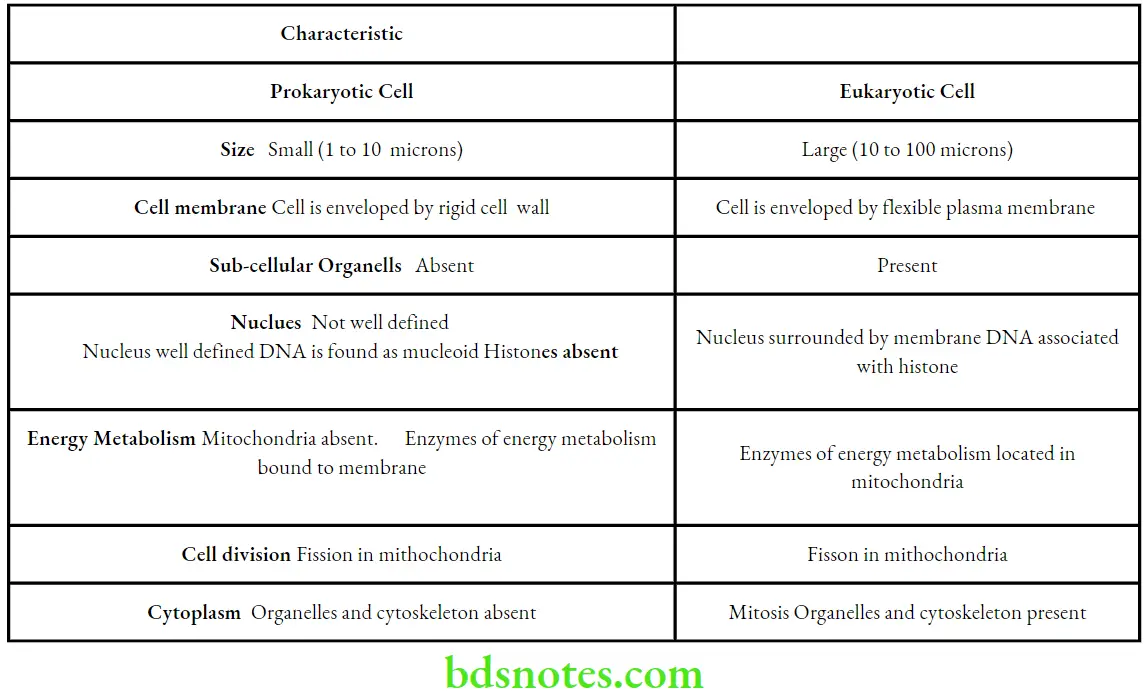
Question 2. Difference between a prokaryote and an eukaryote cell.
Answer.
“Steps to explain mitochondrial structure: Outer membrane vs inner membrane: Q&A guide”
Leave a Reply