Anatomical Position Of The Human Body
In anatomical position, it is presumed that the body is standing erect, the upper limbs hanging by the sides of the body with palms of the hands facing forwards, the feet parallel to each other, digits facing forwards, and eyes directed forwards.
“Role Of Anatomical Position In Medical Imaging Techniques”
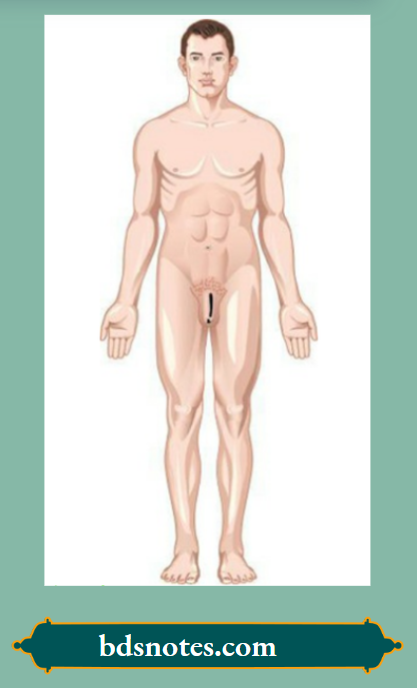
“What Is The Anatomical Position Of The Human Body”
Anatomical position Significance Since the interrelationship of various parts of the body keep changing with various positions of the body (supine, prone, hanging upside down, etc.), all descriptions in the human body are expressed in relation to the anatomical position.
Definition Of Anatomical Position
Question 2. Define the fundamental position.
Answer.
The fundamental position is the same as the anatomical position, except that the person stands erect with upper limbs hanging by the side of the body and palms of the hands face medially towards the sides of the body.

“Best Ways To Understand The Anatomical Position In Anatomy”
The Human Body: Understanding Its Six Main Regions
Question 1. Enumerate the characteristic features of humans.
Answer.
The characteristic features of humans are as follows:
- Bipedal locomotion
- Well-developed cerebrum (brain)
- Skilled hand with an opposable thumb
- Well-developed articulated speech
- Prominent chin
- Stereoscopic vision
“Importance Of The Anatomical Position In Medical Studies”
Question 2. What are the parts/regions of the human body?
Answer.
For descriptive purposes, the human body is divided into the following six parts/regions:
- Head
- Neck
- Thorax
- Abdomen
- Upper limb
- Lower limb
Clinical Significance Of Anatomical Position
Anatomical terminology
Anatomical language is one of the fundamental languages of medicine. Medical doctors throughout the world use a common language of special anatomical terms while referring to the structures of the body in any position to avoid ambiguity. The anatomical terms are mostly Greek or Latin in origin.
Leave a Reply