• Skip to main content
  • Skip to secondary menu
  • Skip to primary sidebar
  • About Us
  • Terms of Use
  • Privacy Policy
  • Disclaimer
  • Contact Us
  • Sitemap

BDS Notes

BDS notes, Question and Answers

  • Public Health Dentistry
  • Periodontics
  • Pharmacology
  • Pathology
  • Orthodontics
    • Anchorage In Orthodontics
    • Mandibular Growth, Functional Matrix
    • Retention and Relapse
  • General Surgery
    • Cysts: Types, Causes, Symptoms
    • Maxillofacial Fractures, Disorders, and Treatments
    • Lymphatic Disorders
    • Neurological and Facial Disorders
  • Temporal And Infratemporal Regions
    • Spinal and Neuroanatomy
  • Dental Materials
    • Dental Amalgam
Home » Anaerobic Glycolysis

Anaerobic Glycolysis

July 28, 2025 by Kristensmith Taylor Leave a Comment

Anaerobic Glycolysis

Question 1. Describe anaerobic glycolysis. Add a note on its bioenergetics.
Answer:

Anaerobic glycolysis:

  1. Glycolysis occurring in the absence of oxygen is called anaerobic glycolysis.
  2. Lactate is the end product of it.

“Understanding anaerobic glycolysis through FAQs: Pathway vs ATP production vs lactate formation explained”

Pathway:
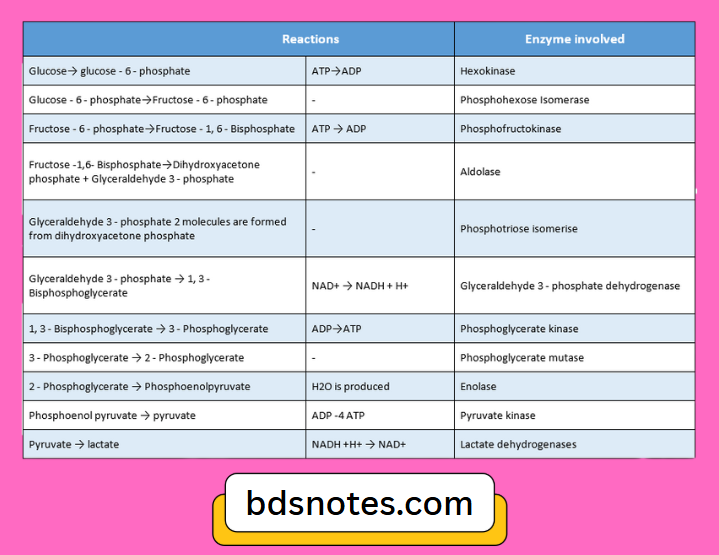
Carbohydrate Metabolism Enzymes

“Importance of studying anaerobic glycolysis for biochemistry students: Questions explained”

Bioenergetics:
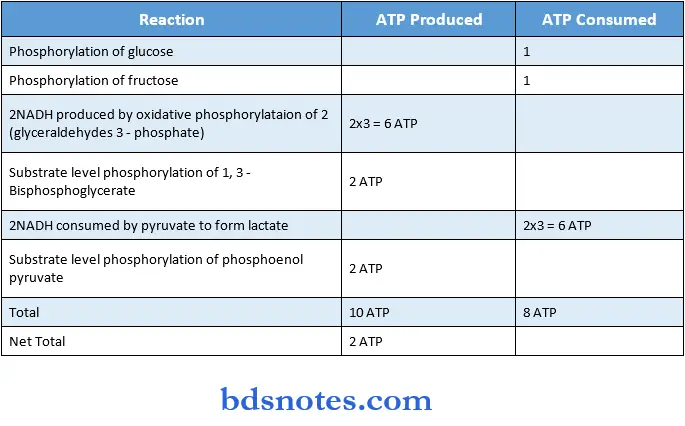
Carbohydrate ATP produced

“Common challenges in mastering anaerobic glycolysis notes effectively: FAQs provided”

Thus, two ATP are synthesized in anaerobic glycolysis.
Carbohydrate synonyms reasons for it

“Why is anaerobic glycolysis critical during oxygen deprivation? Answered”

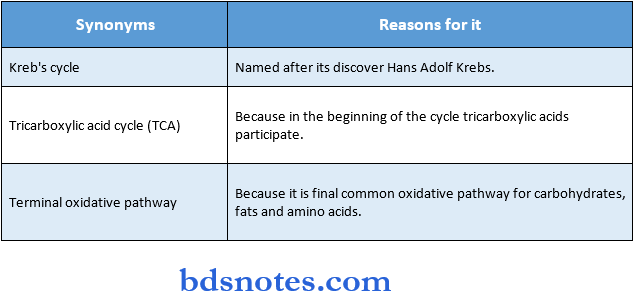
Question 2. Describe the citric acid cycle and its energetic, (or) Give an account of the steps of the citric acid cycle. Explain why it is known as a terminal oxidative pathway. (or) Citric acid cycle. (or) Starch and glycogen
Answer:

Citric acid cycle:

Locations:

In the mitochondrial matrix, in close proximity to the electron transport chain.

Features:

  1. It is a cyclic process.
  2. It involves the oxidation of acetyl CoA to Co2 and water.
  3. It involves the combination of a 2-carbon acetyl CoA with a 4-carbon oxaloacetate to produce a 6-carbon tricarboxylic acid, citrate.

Difference between aerobic and anaerobic glycolysis
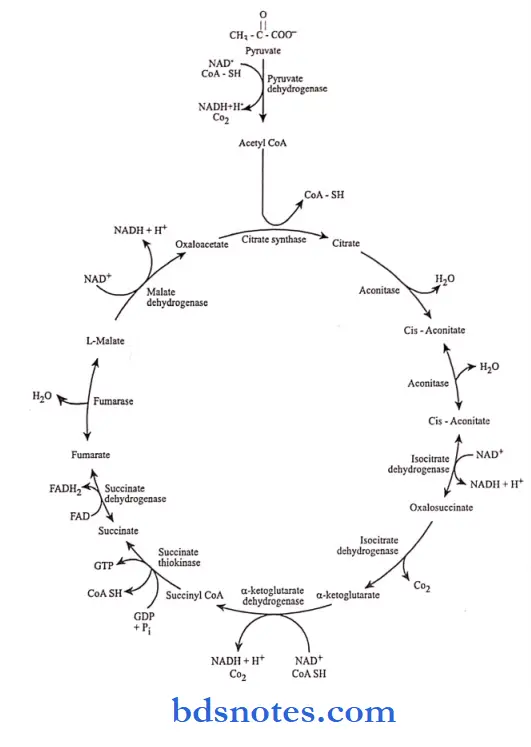
Carbohydrates the citric acid cycle or tca cycle

“Factors influencing success with anaerobic glycolysis studies: Q&A”

Reactions:
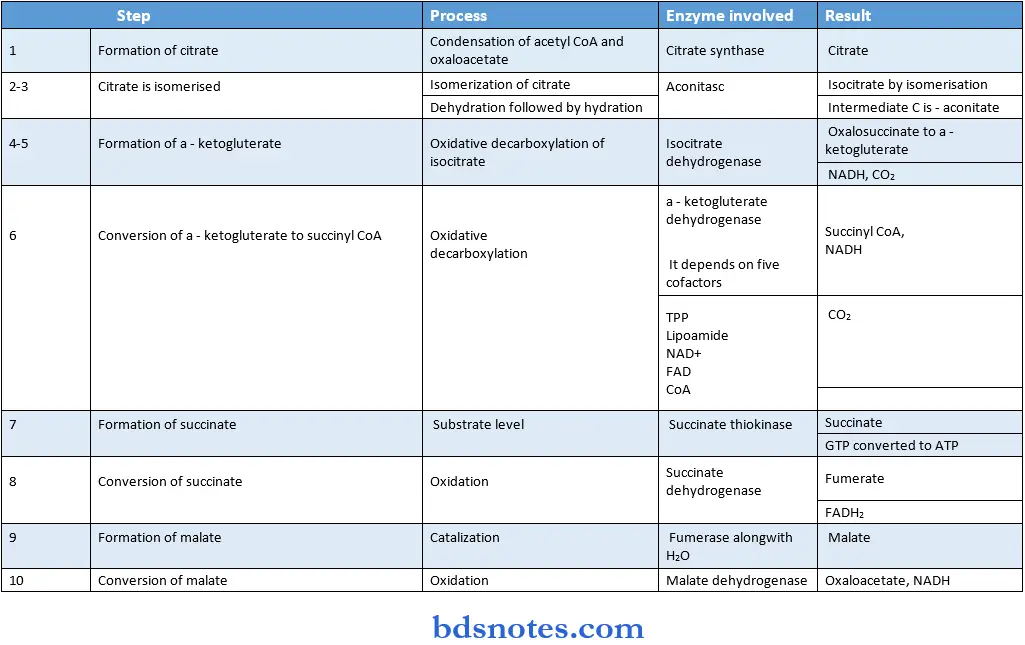
Carbohydrate enzyme involved

“Steps to explain the anaerobic glycolysis pathway: Glucose breakdown vs pyruvate conversion vs lactate formation: Q&A guide”

The resultant oxalacetate can combine with another molecule of acetyl CoA and continues the cycle.

Energetics:

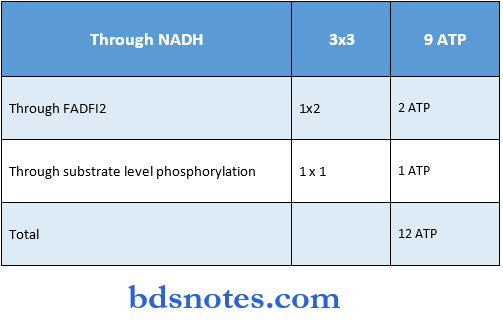
  1. Each NADH produces 3 ATP through the electron transport chain. 3 NADH is produced in the TCA cycle.
  2. Each FADH2 produces 2 ATP through the electron transport chain. 1 FADH2 is produced in the TCA cycle.
  3. Substrate-level phosphorylation produces 1 ATP.
    • One substrate-level phosphorylation occurs.
    • Thus, the total ATP formed is.

Carbohydrates through NADH

Filed Under: Anatomy

Reader Interactions

Leave a Reply Cancel reply

Your email address will not be published. Required fields are marked *

Primary Sidebar

Recent Posts

  • Branchial Cleft Cyst: Background, Pathophysiology, Etiology
  • Maxillary Nerve: Origin, Course, And Branches
  • The Father Of Anatomy And A Great Anatomist Herophilus
  • Bone Structure – Anatomy
  • The External Carotid Artery: Anatomy, Branches, And Functions
  • Occipitofrontalis Muscle
  • Superficial Temporal Artery
  • Platysma Muscle
  • Cartilage
  • Cauda Equina And Conus Medullaris Syndromes
  • Subcutaneous Injections And Device Management
  • Types Of Circulation: Pulmonary, Systemic, And Portal
  • Structure Of Skeletal Muscle
  • Elastic Cartilage
  • Cellular Organelles And Structure
  • The Golgi Apparatus – The Cell
  • The Cytoplasmic Inclusions Of Certain Plant Cells
  • Dental Abscess
  • Laser Surgery
  • Our Facial Muscles And Their Functions

Copyright © 2026 · Magazine Pro on Genesis Framework · WordPress · Log in