Albumin Levels And Health: Understanding Hypoalbuminemia
Hypoalbuminemia is a medical condition where there is a low level of albumin in the blood. Albumin is a key protein produced by the liver that helps maintain the oncotic pressure of the blood and plays a role in transporting various substances throughout the body. When albumin levels drop, it can lead to serious health issues, including swelling, weakened immune response, and complications related to underlying diseases. This article will unpack hypoalbuminemia, covering its causes, symptoms, diagnosis, management, and prevention strategies.
Hypoalbuminemia Key Significance
- Hypoalbuminemia indicates low albumin levels in the blood, often linked to serious health issues.
- Common causes include liver disease, kidney disorders, and nutritional deficiencies.
- Symptoms may involve swelling, fatigue, and increased risk of complications.
- Diagnosis typically involves blood tests and clinical evaluations to determine the underlying cause.
- Management focuses on treating the cause, which may include medications, lifestyle changes, and nutritional support.
Hypoalbuminemia
Understanding Hypoalbuminemia
Definition and Importance
So, what exactly is hypoalbuminemia? Basically, it’s when the level of albumin in your blood is lower than it should be. We’re talking less than 3.5 grams per deciliter (g/dL). Albumin is a major player in your bloodstream, and it’s important to keep levels in check.
Role of Albumin in the Body
Albumin is like the workhorse of your blood. It does a bunch of stuff, like:
- Keeping fluid from leaking out of your blood vessels.
- Carrying hormones, vitamins, and other important substances around.
- Helping to maintain the right pressure in your blood vessels.
It’s a pretty busy protein, and when levels drop, things can go a bit haywire.
Consequences of Low Albumin Levels
When albumin levels are low, you might start seeing some issues. Think swelling, because fluid is leaking into tissues. Also, it can lead to:
- Weakness
- Muscle loss
- Increased inflammation
Low albumin can be a sign of something else going on in your body, so it’s not something to ignore. It’s often linked to other health problems, so getting it checked out is a good idea.
Causes Of Hypoalbuminemia
Hypoalbuminemia, or low albumin levels in the blood, can stem from a variety of underlying health issues. It’s not usually a standalone problem but rather a sign that something else is going on in the body. Let’s explore some of the common causes.
Liver Disease
Since the liver is the sole producer of albumin, any significant liver damage can directly impact albumin synthesis. Conditions like cirrhosis, hepatitis, and liver failure can impair the liver’s ability to make albumin, leading to decreased levels in the bloodstream. It’s a pretty direct relationship – less liver function, less albumin.
Kidney Disorders
The kidneys play a crucial role in preventing albumin loss. When the kidneys are damaged, as in cases of nephrotic syndrome or chronic kidney disease, albumin can leak into the urine. This proteinuria results in a significant loss of albumin from the body, contributing to hypoalbuminemia. Dialysis can also contribute to albumin loss.
Nutritional Deficiencies
Inadequate protein intake is a less common but still important cause of hypoalbuminemia. If the body doesn’t get enough protein from the diet, it can’t produce enough albumin. This is more often seen in cases of severe malnutrition, starvation, or malabsorption disorders. It’s all about having the right building blocks available. Addressing nutritional support is key in these cases.
It’s important to remember that hypoalbuminemia is often multifactorial. For example, someone with liver cirrhosis might also have poor nutrition, compounding the problem. Identifying and addressing all contributing factors is essential for effective management.
What Is Hypoalbuminemia
Symptoms Associated With Hypoalbuminemia
Common Physical Signs
So, what happens when your albumin levels dip too low? Well, the most noticeable sign is often edema, or swelling. This happens because albumin helps keep fluid inside your blood vessels. When there isn’t enough albumin, fluid leaks out into the surrounding tissues. You might see this swelling in your feet, ankles, hands, or even around your eyes. In severe cases, it can lead to a more generalized swelling called anasarca.
Other common symptoms include:
- Unexplained fatigue and weakness
- Fluid buildup in the abdomen (ascites)
- Shortness of breath, especially with activity
Impact On Quality Of Life
Low albumin isn’t just about physical symptoms; it can really mess with your day-to-day life. Feeling constantly tired makes it hard to do, well, anything. The swelling can be uncomfortable and limit your mobility. Plus, if the underlying cause of the hypoalbuminemia is something serious, like liver or kidney disease, that adds another layer of challenges. It’s a domino effect, really. One thing leads to another, and before you know it, your quality of life takes a hit.
Complications of Low Albumin
If hypoalbuminemia goes unchecked, it can lead to some serious complications. Because albumin plays a key role in maintaining blood volume, low levels can cause hypovolemia, which is basically not having enough fluid in your circulatory system. This can then lead to circulatory collapse, which is as scary as it sounds. Also, low albumin can make it harder for your body to transport medications effectively, which can impact how well treatments work. It’s important to remember that hypoalbuminemia is often a sign of an underlying condition, so addressing that root cause is crucial.
It’s worth noting that sometimes, hypoalbuminemia can be present without any obvious symptoms. This is more common in cases where the condition develops very slowly. However, even without noticeable symptoms, the underlying issues causing the low albumin still need to be addressed to prevent potential complications down the road.
Hypoalbuminemia Causes
Diagnosis Of Hypoalbuminemia
Laboratory Tests
So, you suspect you might have low albumin? The first step is usually a blood test. A simple albumin blood test, often part of a comprehensive metabolic panel (CMP), is the go-to method. The CMP is pretty cool because it doesn’t just check albumin; it also gives doctors a peek at how your kidneys and liver are doing. It’s like getting a two-for-one deal on organ function!
Here’s a quick rundown of what a CMP typically measures:
- Albumin
- Total protein
- Bilirubin
- Liver enzymes
- Electrolytes (sodium, potassium, chloride)
- Kidney function markers (BUN, creatinine)
- Glucose
- Calcium
If the CMP shows low albumin, further tests might be needed to figure out why it’s low. For example, if liver disease is suspected, urine tests might be done to check for albumin or protein, which could point to kidney issues too. They might even check something called brain natriuretic peptide to rule out heart failure. If they think you’re losing protein through your gut, they might test your stool for alpha-1 antitrypsin.
Clinical Assessment
Labs are great, but doctors also need to see what’s going on. A thorough physical exam is key. They’ll look for things like:
- Edema (swelling), especially in your legs or ankles
- Ascites (fluid buildup in your abdomen)
- Signs of malnutrition, like muscle wasting
- Skin changes
They’ll also ask about your medical history, medications, and diet. All of this helps paint a picture of what might be causing the low albumin.
It’s important to remember that hypoalbuminemia isn’t a disease itself, but rather a sign of something else going on in the body. The clinical assessment helps narrow down the possibilities.
Differential Diagnosis
Okay, so you’ve got low albumin. Now what? The doctor needs to figure out what’s causing it. This involves considering a range of possibilities and ruling out other conditions. Some common culprits include:
- Liver disease (like cirrhosis)
- Kidney problems (like nephrotic syndrome)
- Malnutrition
- Inflammation or infection
- Protein-losing enteropathy (losing protein through the gut)
The doctor will use the lab results, physical exam findings, and your medical history to determine the most likely cause. It’s like being a medical detective, piecing together the clues to solve the mystery!
Hypoalbuminemia Symptoms
Management Strategies for Hypoalbuminemia
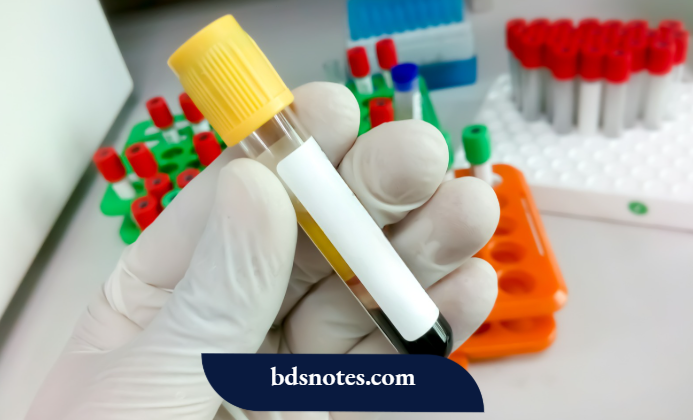
Alright, so you’ve been diagnosed with hypoalbuminemia. What’s next? The good news is there are definitely things you can do to manage it. It’s not always a quick fix, and it often involves tackling the root cause, but let’s break down the main strategies.
Addressing Underlying Causes
Honestly, this is the biggest piece of the puzzle. Treating the condition that’s causing the low albumin is usually the most effective approach. Think of it like this: if a leaky faucet is causing a puddle, you don’t just mop up the water; you fix the faucet. So, if it’s liver disease, kidney problems, or a nutritional deficiency, those need to be addressed head-on. For example, managing liver disease might involve avoiding alcohol and certain medications, while kidney issues could require specific treatments to reduce protein loss.
Medications and Treatments
Sometimes, medications are needed to manage the underlying condition or to directly address the symptoms of hypoalbuminemia. For instance:
- Diuretics: These can help with fluid buildup (edema) that often comes with low albumin.
- ACE inhibitors: If kidney disease is the culprit, these can help reduce protein loss in the urine.
- Antibiotics: If there’s an infection contributing to the problem, antibiotics are necessary.
- Anti-inflammatory drugs: In some cases, inflammation can worsen hypoalbuminemia, and these drugs can help calm things down.
Albumin infusions are sometimes used, but they’re not always the best solution. They can be helpful in specific situations, like complications from cirrhosis, but they’re expensive and don’t always provide long-term benefits. Plus, there’s some debate about how effective they are in critically ill patients. It’s something to discuss with your doctor to see if it’s the right choice for you. It’s important to consider the effects of hypoalbuminemia on clinical outcomes when deciding on a treatment plan.
Lifestyle Modifications
Okay, this is where you come in! Lifestyle changes can make a real difference, especially when it comes to nutrition. A high-protein diet is often recommended to help boost albumin levels. Think lean meats, fish, eggs, and dairy. If you’re having trouble getting enough protein through food alone, your doctor might suggest supplements. Also, if you have liver disease, avoiding alcohol is crucial. And, of course, regular exercise and managing stress can also play a role in overall health and well-being, which can indirectly help with hypoalbuminemia.
It’s important to remember that everyone’s situation is unique. What works for one person might not work for another. The best approach is to work closely with your doctor to develop a personalized management plan that addresses your specific needs and the underlying cause of your hypoalbuminemia.
Prognosis and Outlook for Patients
Factors Influencing Recovery
Okay, so you’re dealing with hypoalbuminemia. What’s next? Well, a bunch of things play a role in how well someone recovers. It’s not just about getting those albumin levels back up; it’s about why they were low in the first place. For example, a recent study on early albumin administration showed a link between albumin levels and patient outcomes.
Here’s a quick rundown:
- The Underlying Cause: Is it liver disease, kidney problems, or something else? Getting to the root of the problem is priority number one.
- Treatment Effectiveness: How well is the underlying condition responding to treatment? If the treatment’s working, albumin levels should start to improve.
- Nutrition: Are you getting enough protein and calories? A balanced diet is super important for recovery.
Long-term Health Implications
Low albumin isn’t just a short-term issue; it can have some serious long-term effects. It’s often a sign of other health problems, and it can contribute to things like:
- Increased risk of infection
- Poor wound healing
- Muscle weakness
- Fluid buildup (edema)
Basically, hypoalbuminemia can make you more vulnerable to other illnesses and slow down your recovery from them. It’s something to take seriously and manage proactively.
Hypoalbuminemia Diagnosis
Monitoring and Follow-up Care
So, you’ve been diagnosed with hypoalbuminemia and are getting treatment. What’s next? Regular monitoring is key. This usually involves:
- Regular Blood Tests: To keep an eye on your albumin levels and other important markers.
- Check-ups with Your Doctor: To assess your overall health and adjust your treatment plan as needed.
- Nutritional Counseling: To make sure you’re getting the right nutrients to support your recovery.
Think of it like this: you’re not just treating the low albumin; you’re managing your overall health to prevent it from happening again. It’s a team effort between you and your healthcare providers.
Preventive Measures for Hypoalbuminemia

Nutritional Support
Okay, so you want to keep your albumin levels up? It really starts with what you eat. Making sure you’re getting enough protein is super important. I mean, albumin is a protein, so it makes sense, right? Think lean meats, eggs, dairy, beans, and nuts. If you’re struggling to get enough through food alone, maybe consider talking to a doctor or dietitian about protein supplements. They can help you figure out what’s right for you. Also, don’t forget about getting enough calories overall. Your body needs energy to use that protein effectively.
Regular Health Check-ups
Don’t skip those doctor appointments! Seriously, regular check-ups can catch problems early, including things that might lead to low albumin. Your doctor can order blood tests to check your albumin levels and other important markers. Early detection is key. Plus, they can help you manage any underlying conditions that could be affecting your albumin. Think of it as preventative maintenance for your body. It’s way easier to fix a small problem than a big one later on. If you are taking medications, therapeutic drug monitoring can help prevent subtherapeutic or toxic drug levels.
Managing Chronic Conditions
If you’ve already got a chronic condition like liver disease, kidney problems, or diabetes, keeping it under control is crucial. These conditions can really mess with your albumin levels. Work closely with your doctor to manage your medications, diet, and lifestyle. Good management can make a huge difference in preventing complications, including hypoalbuminemia. It’s all about staying on top of things and being proactive about your health.
Think of it like this: your body is a complex machine, and chronic conditions are like little gremlins trying to mess things up. Managing those conditions is like keeping the gremlins in check so they don’t cause too much damage. The better you manage them, the less likely you are to run into problems like low albumin.
Hypoalbuminemia Treatment
Wrapping Up on Hypoalbuminemia
In conclusion, hypoalbuminemia is more than just a lab result; it’s a sign that something’s off in the body. Whether it’s due to liver issues, kidney problems, or other health concerns, understanding the root cause is key. Treatment usually focuses on addressing those underlying issues rather than just boosting albumin levels. If you or someone you know is dealing with this condition, it’s important to have open conversations with healthcare providers about the best steps forward. Keeping an eye on overall health and lifestyle choices can also make a big difference. Remember, managing hypoalbuminemia is a team effort between patients and their medical teams.
Understanding Hypoalbuminemia Frequently Asked Questions
Question: What Is hypoalbuminemia?
Answer: Hypoalbuminemia is when you have low levels of albumin in your blood. Albumin is a protein made by the liver that helps keep fluid in your blood vessels.
Question: What Causes Low Albumin Levels?
Answer: Low albumin levels can be caused by several health problems, such as liver disease, kidney issues, or not getting enough nutrients in your diet.
Question: What Are The Symptoms Of Hypoalbuminemia?
Answer: Common symptoms include swelling in your legs and abdomen, weakness, and sometimes feeling tired or sick.
Question: How Is Hypoalbuminemia Diagnosed?
Answer: Doctors usually find out if you have hypoalbuminemia through blood tests that check your albumin levels and other health assessments.
Low Albumin Levels In Blood
Question: What Treatments Are Available For Hypoalbuminemia?
Answer: Treatment mainly focuses on fixing the underlying cause, like treating liver or kidney issues, and sometimes using medications to help manage symptoms.
Question: Can Hypoalbuminemia Be Prevented?
Answer: You can help prevent hypoalbuminemia by eating a balanced diet, getting regular check-ups, and managing any chronic health problems.
Leave a Reply