HMP Shunt Pathway
Question 1. HMP Shunt Pathway.
Answer.
Characteristic Features Of HMP Shunt Pathway
- HMP shunt (hexose monophosphate shunt) is an alternate pathway for the oxidation of glucose
- HMP shunt is also known as
- Pentose phosphate pathway
- Pentose cycle
- Phospho-gluconate pathway
- Warburg-Dickens-Lipmann pathway
- Direct oxidative pathway
- HMP shunt is a multi-cyclic process
- It is not meant to provide energy
- It provides NADPH, which is required for various metabolic pathways
- It provides pentoses, which are required for nucleic acid synthesis
- Deficiency of the enzyme glucose 6-phosphate dehydrogenase (G6PD) of the HMP shunt pathway can cause haemolytic anemia
- It occurs in certain specialized tissue,s e.g., liver, adipose tissue, RBCs, testes, ovary, adrenal cortex, lactating mammary gland, lens, and cornea of the eye
- Carbon dioxide is produced in this pathway
- It takes place in the cytosol
- ATP is required for the HMP shunt pathway, but ATP is not produced.
HMP Shunt Pathway: Key Enzymes and Reactions
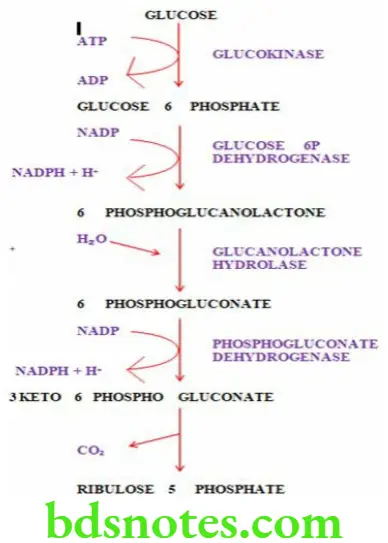
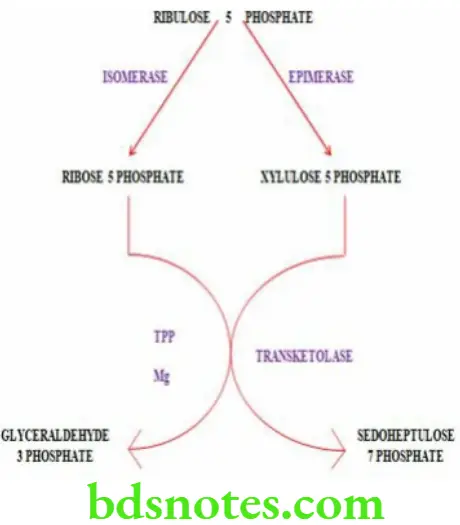
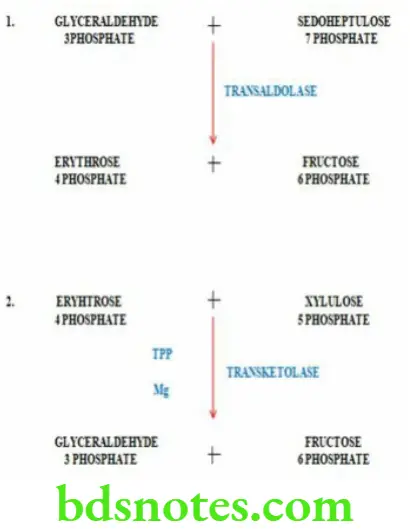
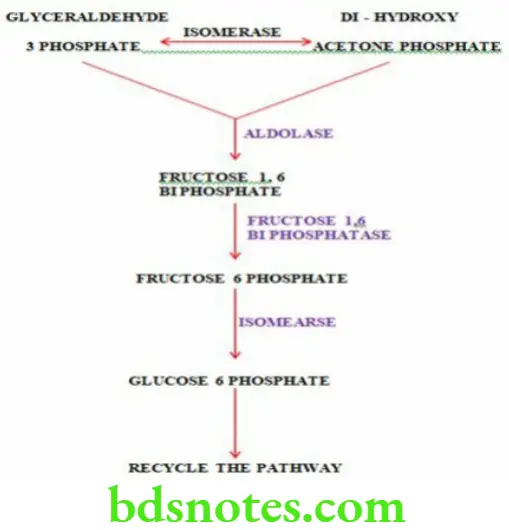
Question 2. Gluconeogenesis.
Answer.
Gluconeogenesis Definition
The formation of glucose from non-carbohydrate sources is known as gluconeogenesis
- Gluconeogenesis meets the requirement for glucose in the body when carbohydrates are not available in sufficient amounts in the diet
- Glucose is the only source of energy for nervous tissue and erythrocytes
- Glucose is required to maintain levels of intermediates of the Krebs cycle
- It is a source of glycerol phosphate, which is required for the adipose tissue
- It is a precursor of milk suga,r lactose, for the lactating mammary gland
- Glucose is the only source of energy for skeletal muscles in anaerobic conditions
Hexose Monophosphate Shunt (HMP) Pathway Explained
Sites Of Gluconeogenesis
Gluconeogenesis takes place in the liver and kidneys
Leave a Reply