Special Stains in Histopathology: Types, Applications, and Color Reactions
Question. Write notes on special stains.
Answer. The special stains are:
Van Gieson’S Stain
“Understanding special stains in histopathology through FAQs: Q&A explained”
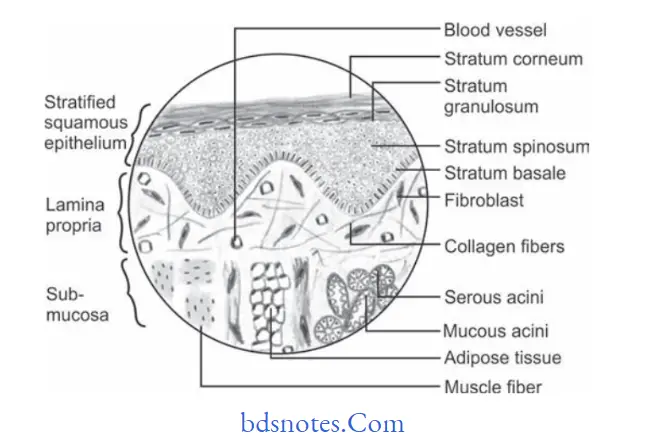
- It is a special stain which is used for connective tissue elements. It is used for differentiating between connective tissue fiers and muscle fiers.
- Epithelium (cell and cytoplasm): It takes greenish-yellow stain.
- Collagen fiers are red
- Muscle fiers are yellow
- Nuclei of cells are blue black.
“Importance of studying special stains for better diagnostic outcomes: Questions explained”
Mallory stain
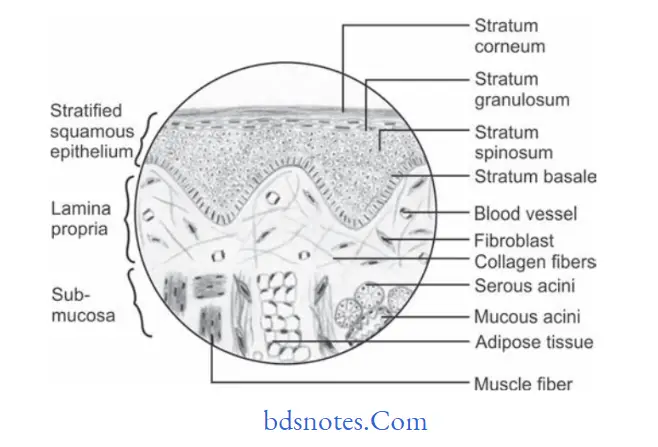
- It is a special stain for keratin that stains deep orange. It is used in hyperkeratotic lesions.
- The epithelium is royal blue.
- Collagen fiers are royal blue.
- Muscle fiers are royal blue.
- Keratin layers are orange.
- Nucleus is blue black.
“Common challenges in applying special stains effectively: FAQs provided”
Periodic Acid Schiff’s Stain Or Pas Stain
“Steps to explain types of special stains: H&E vs PAS: Q&A guide”
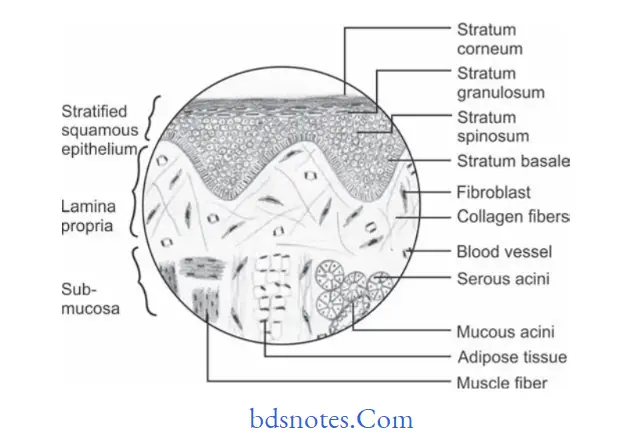
It is a special stain for mucopolysaccharide granules.
These are prominently seen in basement membrane, intercellular spaces and keratin layer.
It is used to detect continuity of basement membrane in intra epithelial carcinoma and squamous cell carcinoma.
- Epithelium and connective tissue is pink.
- Collagen fiers are pink.
- Muscle fiers are pink.
- Nucleus is blue black.
- Granules are of magenta color.
“Role of hematoxylin and eosin (H&E) in histopathology: Questions answered”
Masson’s trichrome stain
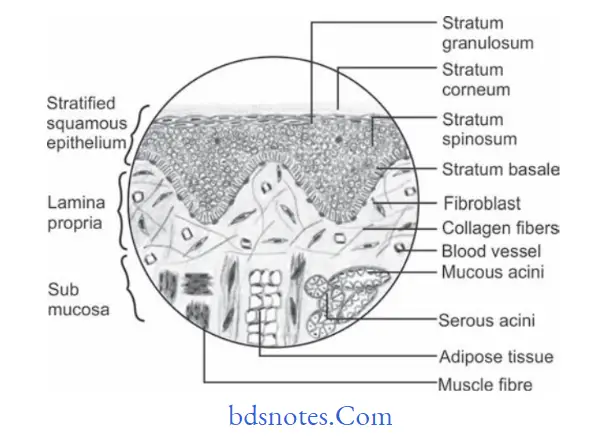
It is a special stain used to diffrentiate between collagen fiers and muscle fiers. It demonstrates connective tissue disorders like leiomyosarcoma and rhabdomyosarcoma.
- Epithelium is red.
- Muscle fiers are bluish violet.
- Collagen fiers and blood vessels are blue.
“Early warning signs of issues addressed by understanding special stain types: Common questions”
Leave a Reply