Hypersensitivity Reactions: Types and Immunopathological Mechanisms
Question 1. Define amyloidosis. Enumerate special stains for amyloid. Describe the gross and microscopic anatomy of the spleen in amyloidosis.
Answer:
Amyloidosis is the term used for a group of diseases characterized by the extracellular deposition of a fibrillar proteinaceous substance called amyloid having a common morphological appearance, staining properties, and physical structure but with variable protein composition.
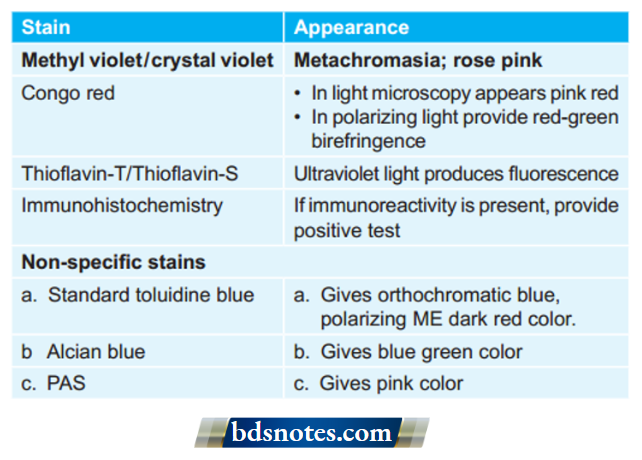
Enumeration of Special Stains for Amyloid
“Understanding the role of hypersensitivity reactions in immune responses”
“Importance of studying hypersensitivity reactions for better healthcare outcomes”
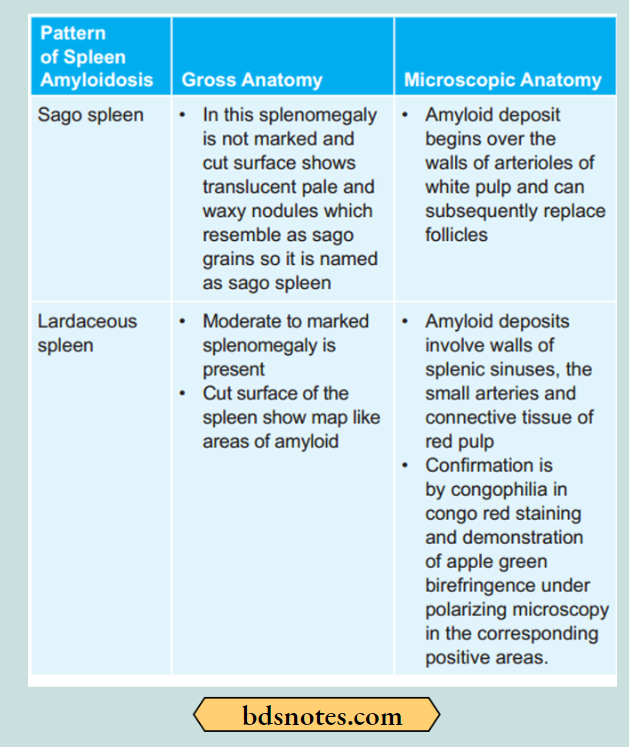
Gross and Microscopic Anatomy of Spleen in Amyloidosis
Amyloidosis in the spleen shows two patterns, i.e. sago spleen and lardaceous spleen.
“Common challenges in diagnosing and managing hypersensitivity reactions”
Question 2. Define and enumerate types of hypersensitivity reactions.
Answer:
Hypersensitivity refers to a condition in which the immune response results in excessive reactions that lead to tissue damage, disease, or even death in the sensitized host.
“Steps to identify common types of hypersensitivity reactions”
Types of Hypersensitivity Reactions
Hypersensitivity reactions are classified into four major types by Coomb and Gel (1963)..
Hypersensitivity reactions
Type 1: Hypersensitivity
Type 2: Cytotoxic
“Role of Type I hypersensitivity in allergic reactions like asthma and anaphylaxis”
Type 3: Immune complex
Type 4: Delayed or cell-mediated
Type 1, 2, and 3 depend on the interaction of antigen with humoral antibodies and are known as immediate type reactions while Type IV is mediated by T-lymphocytes and is known as delayed hypersensitivity.
Later on, Type V hypersensitivity reaction was also described i.e. stimulatory type.
Leave a Reply