Understanding Acute And Chronic Inflammation
Define inflammation. Describe the vascular and cellular events of acute inflammation.
Answer:
Inflammation is defined as the local response of living mammalian tissues to injury due to any agent.
It is a body defense reaction in order to eliminate or limit the spread of injurious agents as well as to remove the consequent necrosed cells and tissues.
Acute and chronic inflammation
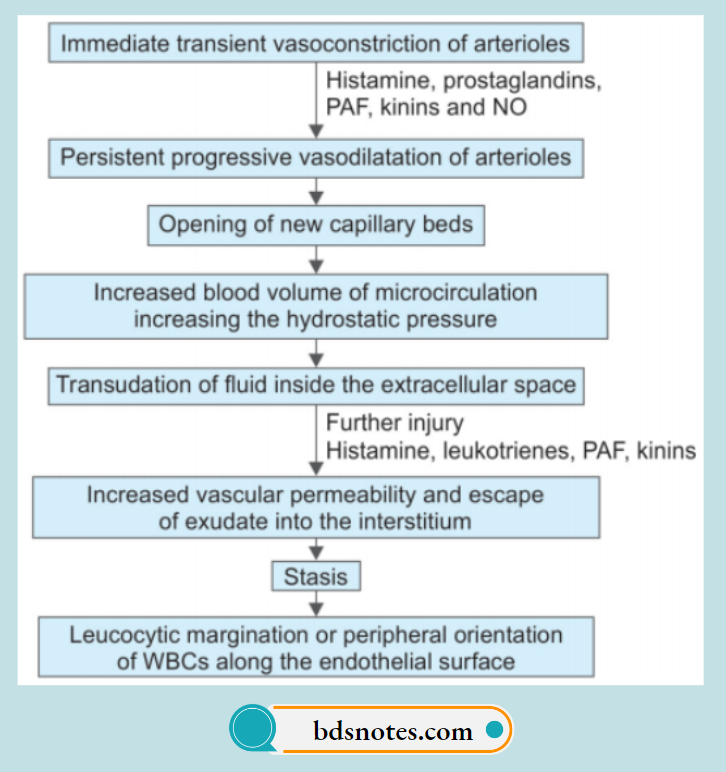
Vascular Events of Acute Inflammation
Cellular Events of Acute Inflammation
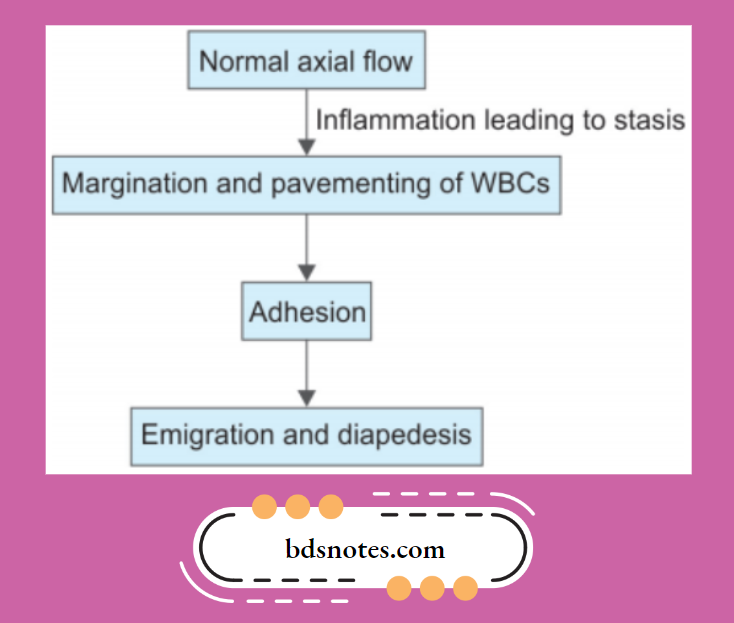
1. Extravasation of Leucocytes
2. Phagocytosis
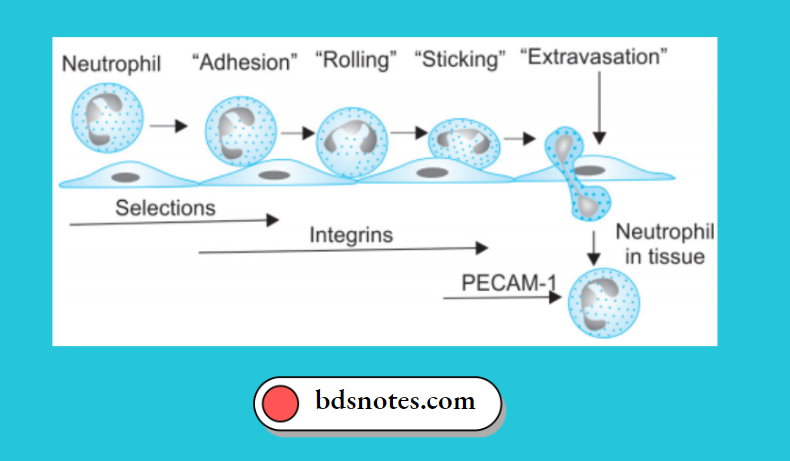
Extravasation of leukocytes has the following steps:
Difference between acute and chronic inflammation
- In the lumen: Margination, i.e. peripheral orientation of leukocytes, rolling, i.e. weak attachment of leukocytes to endothelium detachment and binding again, causing
a rolling movement, pavement or adhesion, i.e. activation of leukocytes and fim binding of leukocytes to the endothelium - Transmigration across the endothelium (emigration or diapedesis): Emigration is facilitated by the local dissolution of the exposed basement membrane by leukocyte-derived collagenase.
- Migration in interstitial tissue towards a chemotactic stimulus, i.e. chemotaxis.
Leave a Reply