How Metaplasia Develops in the Bronchus and Stomach
Write A Short Note On.
- Metaplasia
- Apoptosis
Or
Write A Short Note On Metaplasia.
Answer:
1. Metaplasia
Meta means transformation, and plasma means growth. Metaplasia is defined as a reversible change of one type of epithelial or mesenchymal adult cell to another type of adult epithelial or mesenchymal cell, usually in response to an abnormal stimulus.
Fatty liver symptoms
“Complications of delaying metaplasia diagnosis”
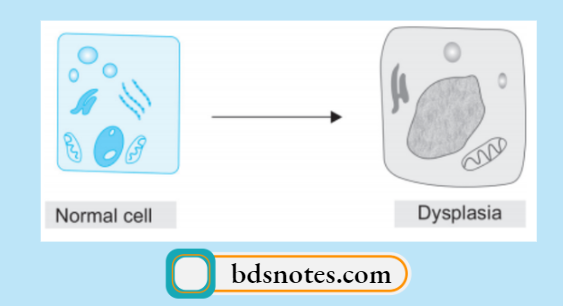
“What is metaplasia and how does it develop?”
Metaplasia is divided into two types.
1. Epithelial metaplasia: This is a more common type. The metaplastic change may be patchy or diffuse. Some common types of epithelial metaplasia are:
- Squamous metaplasia: There is a transformation of various types of epithelium into squamous epithelium due to chronic irritation.
- In bronchus (normally lined by stratified columnar ciliated epithelium) in chronic smokers.
- In the gallbladder, in prostrate in chronic prostatitis.
- Columnar metaplasia: There is a transformation of various epithelium into columnar epithelium.
- Intestinal metaplasia in healed chronic gastric ulcer.
- Conservation of pseudostratified columnar epithelium into chronic bronchitis to columnar type.
Causes of fatty liver
“Understanding metaplasia: Causes and types explained”
2. Mesenchymal metaplasia: There is the transformation of one adult type of mesenchymal tissue into another.
- Osseous metaplasia: This is the formation of bone in fibrous tissue, cartilage, and myeloid tissue.
- Arterial wall in old age
- In the fibrous stroma of the tumor.
- In cartilage of larynx and bronchi in old age.
- Cartilaginous metaplasia: In the healing of the fracture.
“Complications of untreated metaplasia”
2. Apoptosis
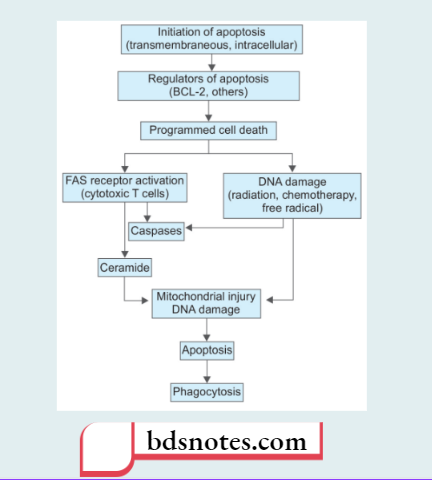
- Apoptosis is a form of “coordinated and internally programmed cell death.”
- Apoptosis occurs in physiologic and pathologic conditions.
- Physiologic conditions:
- Organized cell destruction during the development of the embryo.
- Endometrial shedding, replacement proliferation such as in intestinal epithelium.
- Involution of the thymus at an early age.
- Pathologic conditions: Cell death in tumors, in immune mechanisms, in viral infections, in injury, etc.
Fatty liver symptoms
“Importance of early detection of metaplasia in organs”
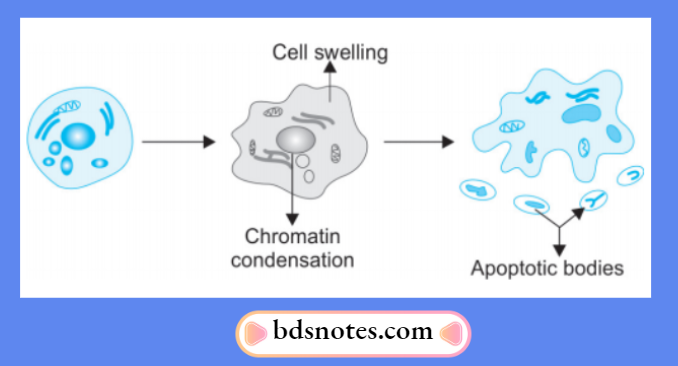
Pathologic Changes During Apoptosis
- The apoptotic cells are round to oval.
- Shrinkage of cells with dense cytoplasm.
- Chromatin condensation around the periphery of the nucleus.
- Convolutions of cell membranes with the formation of membrane-bound spherical bodies called apoptotic bodies.
Mechanism Of Apoptosis
“Impact of smoking on squamous metaplasia in the bronchus”
Leave a Reply