Understanding Fibrillation: Causes, Symptoms, and Treatment Option
“What is fibrillation? A detailed question and answers guide”
Question 1. Fibrillation.
Fibrillation is a term that describes an irregular and often rapid heart rhythm, which can lead to serious health issues if not addressed. Understanding fibrillation, particularly atrial fibrillation (AFib), is crucial for maintaining heart health. This article will break down what fibrillation is, its causes, symptoms, and the various treatment options available. You’ll also learn how to live with this condition and steps you can take to prevent it.
Fibrillation Key Significance
- Fibrillation refers to irregular heartbeats, with atrial fibrillation being the most common type.
- Causes of fibrillation can range from genetic factors to lifestyle choices and other health conditions.
- Symptoms may vary; some people feel nothing while others experience palpitations or shortness of breath.
- Diagnosis typically involves a review of medical history and specific heart rhythm tests.
- Treatment options include medications, surgical procedures, and lifestyle changes to manage the condition.
“Understanding fibrillation through FAQs: Causes, symptoms, and treatment options explained”
Understanding Fibrillation
What Is Fibrillation?
Okay, so what exactly is fibrillation? Basically, it’s when your heart’s electrical system goes haywire. Instead of a nice, steady rhythm, the heart chambers start beating irregularly and often too fast. Think of it like a bunch of musicians all playing different songs at the same time – chaotic and not very effective. This can happen in the upper chambers (atria), which is called atrial fibrillation (AFib), or in the lower chambers (ventricles), which is ventricular fibrillation (VFib) – and VFib is a serious emergency.
Types of Fibrillation
There are a few different kinds of fibrillation, and it’s important to know the difference. The two main types are:
- Atrial Fibrillation (AFib): This is the most common type. The atria beat irregularly and rapidly. It’s not usually immediately life-threatening, but it can lead to complications like stroke.
- Ventricular Fibrillation (VFib): This is a major emergency. The ventricles quiver instead of pumping blood, and if it’s not treated within minutes, it can be fatal.
- Atrial Flutter: Similar to AFib, but the rhythm in the atria is more organized. It can still cause problems and often requires treatment.
“Importance of studying fibrillation for medical students: Questions explained”
How Fibrillation Affects the Heart
Fibrillation messes with the heart’s ability to pump blood efficiently. When the heart isn’t beating properly, blood can pool in the chambers, which can lead to blood clots. These clots can then travel to the brain, causing a stroke, or to other parts of the body, causing other problems. Plus, over time, fibrillation can weaken the heart muscle, leading to heart failure. It’s a whole cascade of bad stuff, really.
Atrial Fibrillation Symptoms
Fibrillation can have a significant impact on your overall health. It’s not just about the heart beating funny; it’s about the potential for serious complications that can affect your quality of life. Getting a diagnosis and starting treatment early is key to managing the condition and preventing those complications.
“Common challenges in mastering fibrillation notes effectively: FAQs provided”
Causes of Fibrillation
So, what actually causes fibrillation? It’s not always straightforward, and sometimes doctors can’t pinpoint a single reason. But, there are some common factors that play a big role.
Genetic Factors
Sometimes, fibrillation seems to run in families. If you have a close relative with atrial fibrillation (AFib), your risk might be higher. It doesn’t mean you’re guaranteed to get it, but it’s something to be aware of. Researchers are still trying to figure out which specific genes are involved, but there’s definitely a genetic component for some people.
Lifestyle Influences
Our daily habits can really impact our heart health, and that includes the risk of fibrillation. Things like:
- Drinking too much alcohol
- Smoking
- Excessive caffeine intake
- Using stimulant drugs
These can all trigger episodes of AFib in some people. It’s not just about avoiding these things altogether, but more about moderation and being mindful of how your body reacts.
Underlying Health Conditions
Often, fibrillation is a symptom of another health problem. Heart conditions are a big one, like:
- High blood pressure
- Coronary artery disease
- Heart valve problems
- Heart failure
But it’s not just heart-related issues. Other conditions that can increase your risk include:
- Thyroid problems (especially hyperthyroidism)
- Chronic kidney disease
- Sleep apnea
- Diabetes
Basically, anything that puts extra stress on your heart or affects your body’s electrical system can potentially lead to fibrillation.
“Why is proper understanding of fibrillation critical for diagnosing arrhythmias? Answered”
Recognizing Symptoms of Fibrillation
It’s super important to know what fibrillation feels like, because catching it early can make a huge difference in treatment. Sometimes, people don’t even realize they have it, which can be risky. So, let’s break down the common, severe, and when-to-worry signs.
Common Symptoms
Okay, so what are the usual suspects when it comes to fibrillation symptoms? Well, a lot of people describe it as a weird fluttering or pounding in their chest – like heart palpitations that won’t quit. You might also feel super tired, even if you haven’t done much. Some other common things include:
- Feeling dizzy or lightheaded
- Shortness of breath, like you can’t quite catch your breath
- General weakness, where your muscles just don’t want to cooperate
Severe Symptoms
Now, let’s talk about the symptoms that should really raise a red flag. These aren’t your everyday annoyances; they’re signs that something serious might be happening. If you experience any of these, it’s time to act fast:
- Severe chest pain or tightness
- Difficulty breathing, like you’re gasping for air
- Fainting or loss of consciousness
- A rapid, irregular heartbeat that doesn’t stop
It’s easy to brush off symptoms as just being tired or stressed, but ignoring these severe signs can have serious consequences. Don’t hesitate to seek medical help if you’re experiencing them.
When to Seek Medical Attention
So, when should you actually see a doctor? Well, if you’re experiencing any of the severe symptoms we just talked about, that’s an immediate call-the-doctor situation. But even if your symptoms are milder, it’s still worth getting checked out. Here’s a general guideline:
- If you notice a sudden change in your heartbeat, especially if it’s irregular or faster than normal.
- If you have recurring episodes of palpitations, dizziness, or shortness of breath.
- If you have any concerns about your heart health, especially if you have risk factors like high blood pressure or a family history of heart disease. It’s always better to be safe than sorry when it comes to your heart. Regular check-ups and open communication with your doctor are key to managing daily life with fibrillation.
“Factors influencing success with fibrillation studies: Q&A”
Diagnosis Of Fibrillation

“Steps to explain causes of fibrillation: Electrical disturbances vs structural heart issues: Q&A guide”
So, you think you might have fibrillation? Figuring it out involves a few steps. It’s not always a straightforward process, but with the right approach, you can get a clear picture of what’s going on with your heart.
Medical History Review
First up, your doctor will want to know your medical history. They’ll ask about any past health issues, medications you’re taking, and if anyone in your family has a history of heart problems. This gives them a good starting point to understand your risk factors and potential causes of your symptoms. Be prepared to answer questions about your lifestyle, like your diet, exercise habits, and whether you smoke or drink alcohol. All of this information helps paint a complete picture.
Diagnostic Tests
Next comes the fun part – diagnostic tests! These tests help doctors see what’s happening inside your heart. Here are a few common ones:
- Electrocardiogram (ECG or EKG): This is the most common test. It records the electrical activity of your heart and can show if you have an irregular heartbeat.
- Holter Monitor: You wear this portable ECG for 24-48 hours (or even longer) to record your heart’s activity over a longer period. This is useful for catching irregular heartbeats that don’t happen all the time.
- Echocardiogram: This uses sound waves to create a picture of your heart. It can show the size and shape of your heart, as well as how well it’s pumping blood.
Getting diagnosed can feel overwhelming, but remember, it’s the first step towards getting the right treatment and managing your condition. Don’t hesitate to ask your doctor questions and be an active participant in your care.
“Role of electrical disturbances in triggering atrial fibrillation: Questions answered”
Monitoring Heart Rhythm
Sometimes, a one-time test isn’t enough to catch fibrillation. That’s where heart rhythm monitoring comes in. This can involve wearing a device for an extended period or even having an implantable monitor. These devices continuously record your heart’s activity, allowing doctors to catch any irregular heartbeats that might be missed during a regular checkup. This is especially useful if your symptoms are infrequent or unpredictable. Continuous monitoring provides a more complete picture of your heart’s rhythm over time.
Treatment Options For Fibrillation

“How do structural heart issues contribute to ventricular fibrillation? FAQ explained”
When it comes to managing fibrillation, there’s no one-size-fits-all fix. Choosing the right treatment often depends on how severe your fibrillation is and what risks you face. Here’s a closer look at the three main paths: medications, surgical procedures, and lifestyle tweaks.
Medications
Doctors usually start here. Pills can slow a racing heartbeat, help it stay regular, or thin the blood to cut stroke risk.
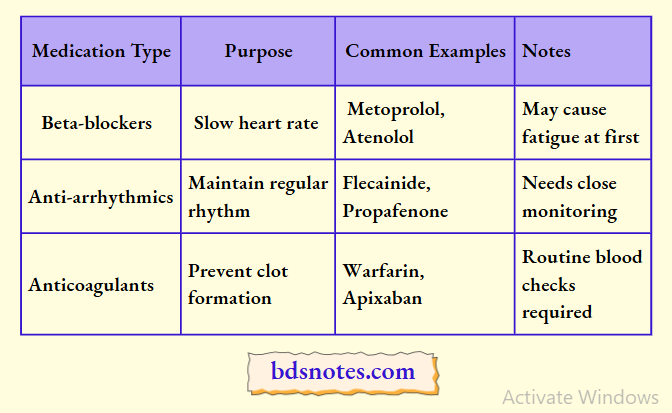
“Early warning signs of undiagnosed cause-related issues: Common questions”
Key points:
- Dosing often starts low and ramps up slowly.
- Some drugs need a hospital stay when you first try them.
- Side effects vary, so track any new aches, bruises, or dizziness.
Surgical Procedures
If pills don’t cut it, a procedure might.
- Electrical cardioversion: A quick jolt to reset your heartbeat. It works right away but sometimes doesn’t last.
- Catheter ablation: Threads a thin wire into your heart to scar small areas causing the misfire.
- Pacemaker or implantable cardioverter-defibrillator (ICD): Tiny gadgets under the skin that kick in if your rhythm goes off.
- Left atrial appendage closure: Seals off a pouch in the heart where clots like to hide.
Recovery varies. You might feel sore for a day or two, or you might be back on your feet in a week.
“Asymptomatic vs symptomatic effects of delayed interventions: Answered”
Lifestyle Modifications
Long-term control often means changing day-to-day habits. Small steps can add up.
- Cut back on caffeine and alcohol – they can trigger flutters.
- Keep blood pressure and cholesterol in check with a balanced diet.
- Aim for 30 minutes of moderate exercise most days.
- Manage stress through breathing exercises or short walks.
- Get consistent sleep; aim for 7–8 hours each night.
Even minor shifts—like swapping out soda for water or taking that daily stroll—can help keep your heart rhythm steady over time.
Mix and match these approaches under your doctor’s guidance. Over time, you’ll find the right balance to keep fibrillation in check.
Living with Fibrillation
Living with fibrillation, particularly atrial fibrillation (AFib), requires adjustments and a proactive approach to managing your health. It’s not just about medical treatments; it’s about integrating lifestyle changes and support systems into your daily routine. While there’s no outright cure, effective management can significantly improve your quality of life.
Managing Daily Life
Living with AFib means being mindful of your daily activities and how they affect your heart. It’s about finding a balance between staying active and avoiding triggers that can set off an episode. Here are some things I’ve found helpful:
- Medication adherence is key. Set reminders to take your medications as prescribed, whether they’re for rate control, rhythm control, or anticoagulation. Don’t skip doses or alter the schedule without talking to your doctor.
- Monitor your symptoms. Keep a log of when you experience palpitations, shortness of breath, or fatigue. Note any patterns or triggers, such as stress, caffeine, or certain activities. This information can help your doctor adjust your treatment plan.
- Plan for rest. AFib can cause fatigue, so it’s important to schedule regular rest periods throughout the day. Avoid overexertion and listen to your body’s signals.
- Stay hydrated. Dehydration can sometimes trigger AFib episodes. Make sure you’re drinking enough water throughout the day.
It’s important to remember that managing AFib is a marathon, not a sprint. There will be good days and bad days. The key is to stay consistent with your treatment plan and make gradual, sustainable lifestyle changes.
“Can preventive measures reduce risks of dysfunction? FAQs provided”
Support Resources
Dealing with AFib can be emotionally challenging. It’s important to have a strong support system in place. Don’t hesitate to reach out to family, friends, or healthcare professionals for help. Consider these resources:
- Support groups: Connecting with others who have AFib can provide valuable emotional support and practical advice. You can find local support groups through hospitals, clinics, or online forums. Check out the Heart Rhythm Conditions support group for shared experiences.
- Online communities: Online forums and social media groups can offer a convenient way to connect with others and share information. However, be sure to verify the credibility of any information you find online.
- Cardiac rehabilitation programs: These programs offer supervised exercise, education, and counseling to help you manage your heart condition and improve your overall health.
- Mental health professionals: If you’re feeling anxious, depressed, or overwhelmed, consider talking to a therapist or counselor. They can help you develop coping strategies and manage your emotions.
“Differential applications of surgical vs non-surgical treatments: Questions answered”
Long-term Health Considerations
AFib is a chronic condition that requires ongoing management. It’s important to work closely with your healthcare team to monitor your heart health and prevent complications. Here are some long-term considerations:
- Regular check-ups: Schedule regular appointments with your cardiologist or electrophysiologist to monitor your heart rhythm and adjust your treatment plan as needed.
- Stroke prevention: AFib increases the risk of stroke, so it’s important to take steps to reduce your risk. This may include taking blood thinners or undergoing a procedure to close the left atrial appendage.
- Heart failure prevention: AFib can weaken the heart muscle over time, leading to heart failure. Manage your blood pressure, cholesterol, and other risk factors to protect your heart health.
- Lifestyle modifications: Continue to follow a heart-healthy lifestyle, including eating a balanced diet, exercising regularly, and avoiding smoking and excessive alcohol consumption. Effective stress management techniques are also important.
“Differential applications of conservative vs experimental analyses: Questions answered”
Preventing Fibrillation
It’s true, you can’t totally guarantee you’ll never get atrial fibrillation (AFib), but there are definitely things you can do to lower your chances. Think of it like this: you can’t control everything, but you can control a lot. Let’s talk about how to stack the deck in your favor.
Risk Factor Management
Okay, so first things first, get a handle on those risk factors. What does that even mean? Well, AFib is often linked to other health problems, so managing those can make a big difference. For example:
- High blood pressure: Keep it in check. Your doctor can help with meds and lifestyle changes.
- Diabetes: Another big one. Diet, exercise, and meds are key.
- Obesity: Losing even a little weight can make a difference.
- Sleep apnea: If you snore like a freight train and wake up gasping for air, get tested. Treating sleep apnea can help your heart.
“Early warning signs of undiagnosed disorder-related issues: Common questions”
Addressing these underlying conditions is often the first and most important step in preventing AFib. It’s not just about your heart; it’s about your overall health.
Healthy Lifestyle Choices
This is where you have the most control. And honestly, it’s stuff you’ve heard a million times, but it’s worth repeating:
- Eat a healthy diet: Load up on fruits, veggies, and whole grains. Cut back on processed foods, saturated fats, and excessive sugar.
- Exercise regularly: Aim for at least 30 minutes of moderate-intensity exercise most days of the week. Find something you enjoy, so you’ll actually stick with it.
- Don’t smoke: Seriously, just quit. It’s terrible for your heart (and everything else).
- Limit alcohol: Too much booze can trigger AFib in some people. If you drink, do it in moderation.
- Manage stress: Easier said than done, I know. But chronic stress can wreak havoc on your heart. Try yoga, meditation, or just spending time in nature.
Regular Health Check-ups
Don’t skip those doctor appointments! Regular check-ups can help catch problems early, before they lead to AFib. Your doctor can monitor your blood pressure, cholesterol, and blood sugar, and recommend any necessary tests or treatments. It’s also a good time to discuss any concerns you have about your heart health. Think of it as preventative maintenance for your body. It’s way easier to fix a small problem than a big one, right?
Wrapping Up: Key Takeaways on Atrial Fibrillation
In summary, atrial fibrillation is a common heart condition that can really mess with your heart rhythm. It can happen to anyone, but certain factors like age and health conditions can increase your risk. Symptoms can vary from person to person, and some folks might not even notice anything at all. If you do experience symptoms, it’s important to talk to a doctor. There are treatment options available, from medications to procedures that can help manage the condition. Staying informed and proactive about your heart health is key. Remember, you’re not alone in this, and there are resources and support out there to help you manage AFib.
“Role of atrial fibrillation in increasing stroke risk: Questions answered”
Atrial Fibrillation Frequently Asked Questions
Question: What Is fibrillation?
Answer: Fibrillation is when your heart beats in a fast and irregular way. This can make it hard for the heart to pump blood properly.
Question: What Are The Different Types Of Fibrillation?
Answer: The main types of fibrillation are atrial fibrillation (AFib), which happens in the upper chambers of the heart, and ventricular fibrillation, which occurs in the lower chambers.
Question: What Causes Fibrillation?
Answer: Fibrillation can be caused by many things, including heart disease, high blood pressure, stress, or even certain medications.
Question: What Are The Symptoms Of Fibrillation?
Answer: Common symptoms include a fast heartbeat, feeling dizzy or lightheaded, shortness of breath, and sometimes chest pain.
“Asymptomatic vs symptomatic effects of delayed treatment: Answered”
Question: How Is Fibrillation Diagnosed?
Answer: Doctors usually diagnose fibrillation by checking your medical history, doing a physical exam, and using tests like an ECG to monitor your heart rhythm.
Question: What Treatments Are Available For Fibrillation?
Answer: Treatment options can include medications to control heart rate, procedures to reset the heart rhythm, or lifestyle changes to improve heart health.
Leave a Reply