Understanding The Deficiency Of Niacin: Causes, Symptoms, And Effective Treatments
Question 1. Coenzymes forms & deficiency of niacin
Answer:
Coenzymes forms of niacin:
- Nicotinamide adenine dinucleotide, NAD+
- Nicotinamide adenine dinucleotide phosphate, NADP+
Deficiency symptoms of niacin:
- A deficiency of niacin causes pellagra
- Its symptoms are referred to as 3Ds
- D- Dermatitis
- It is inflammation of the skin
- It is found in the areas of the skin that are exposed to sunlight
- D- Diarrhea
- It is in the form of loose stools
- Prolonged diarrhea leads to weight loss
- D- Dementia
- Associated with degeneration of nervous tissue
- It includes:
- Anxiety
- Irritability
- Poor memory
- Insomnia
Niacin, also known as vitamin B3, is essential for our overall health. However, when the body lacks sufficient niacin, it can lead to a deficiency of niacin, which may cause various health issues. Understanding the causes, symptoms, and treatments for this deficiency is crucial for maintaining good health. In this article, we will explore the different aspects of niacin deficiency to help you recognize and address the condition effectively.
Niacin Key Significance
- Niacin deficiency can stem from poor diet, medical issues, or excessive alcohol use.
- Early signs of niacin deficiency include skin rashes and digestive problems.
- Severe deficiency can lead to pellagra, which has serious effects on the skin, digestive system, and mental health.
- Diagnosis of niacin deficiency involves reviewing medical history, physical exams, and lab tests.
- Effective treatment includes dietary changes, supplements, and managing underlying health conditions.
Causes Of Deficiency Of Niacin
Niacin deficiency, while rare in developed countries due to food fortification, can still occur. It’s usually not just about diet; other factors often play a significant role. Let’s explore the main reasons why someone might develop a niacin deficiency.
Underlying Medical Conditions
Certain medical conditions can interfere with the body’s ability to absorb or use niacin. These conditions often disrupt the normal digestive processes, preventing proper nutrient uptake. Some examples include:
- Crohn’s disease: This inflammatory bowel disease can impair nutrient absorption in the small intestine.
- Hartnup disease: A genetic disorder affecting the absorption of certain amino acids, including tryptophan, which the body can convert into niacin.
- Carcinoid syndrome: This condition involves tumors that secrete substances that interfere with niacin metabolism.
Dietary Insufficiency
While less common in places where food is fortified, a diet consistently lacking in niacin and tryptophan can lead to deficiency. This is more likely in areas with limited food availability or where diets are heavily based on a single grain, like maize, without proper preparation. Remember that your liver can convert tryptophan into niacin.
Alcohol Use Disorder
Chronic alcohol use can significantly impact nutritional status, including niacin levels. Alcohol can interfere with niacin absorption and metabolism, leading to deficiency. Additionally, people with alcohol use disorder often have poor dietary habits, further contributing to the problem. It’s a combination of factors that makes this a significant risk. Niacin deficiency can lead to pellagra, a serious condition.
Recognizing The Symptoms Of Deficiency Of Niacin

Okay, so you’re wondering if you might have a niacin deficiency? It’s a valid question! The symptoms can be tricky because they often start subtle and then get worse over time. It’s not always obvious, but knowing what to look for is half the battle. Let’s break it down.
Early Symptoms
In the beginning, a niacin deficiency can be sneaky. You might not even notice anything is wrong. Some people experience vague symptoms that are easy to dismiss. For example, you might feel a bit more tired than usual, or you might be more sensitive to the cold. These early signs are often overlooked, but they can be important clues.
Severe Symptoms
If the deficiency goes on for a while, things can get more serious. We’re talking about symptoms that are hard to ignore. Think skin problems, digestive issues, and even neurological changes. It’s not fun, and it’s definitely time to see a doctor if you’re experiencing these.
Here’s a quick rundown of some of the more severe symptoms:
- Skin rashes, especially in areas exposed to sunlight
- A bright red, swollen tongue
- Diarrhea or vomiting
- Confusion or memory loss
It’s important to remember that these symptoms can also be caused by other conditions. Don’t jump to conclusions, but do take them seriously and get checked out by a healthcare professional.
Pellagra and Its Effects
Pellagra is basically the name for niacin deficiency when it gets really bad. It’s characterized by what’s known as the “three Ds”: dermatitis, diarrhea, and dementia. It sounds scary, and it is, but it’s also treatable if caught in time. The side effects of niacin can be managed with proper medical care.
Here’s a bit more detail on each of the “three Ds”:
- Dermatitis: A red, scaly rash that appears on sun-exposed skin.
- Diarrhea: Persistent digestive issues.
- Dementia: Cognitive decline, including memory loss and confusion.
If left untreated, pellagra can even lead to death. Thankfully, it’s relatively rare in developed countries these days, but it’s still important to be aware of it, especially if you have risk factors for niacin deficiency.
Diagnosis Of Niacin Deficiency
So, you suspect you might have a niacin deficiency? Figuring it out involves a few steps. It’s not always straightforward, but your doctor has several tools to help.
Medical History Review
First up, your doctor will want to know your medical history. They’ll ask about your diet, any existing health problems, and medications you’re taking. Certain conditions, like Crohn’s disease or alcoholism, can mess with your body’s ability to absorb niacin. Some medications can also interfere. It’s all about piecing together the puzzle.
Physical Examination
Next, expect a physical exam. The doctor will look for telltale signs of niacin deficiency, especially those related to pellagra. This includes checking your skin for rashes, your mouth for sores, and assessing your overall neurological function. These physical signs, combined with your medical history, can provide important clues.
Laboratory Tests
To confirm the diagnosis, lab tests are usually necessary. These tests measure the amount of niacin or its byproducts in your urine or blood. Here’s a quick rundown:
- Urine Test: Measures the levels of niacin metabolites.
- Blood Test: Checks niacin levels directly in the blood.
- Other Tests: May be done to rule out other conditions with similar symptoms.
It’s important to remember that lab results are just one piece of the puzzle. Your doctor will consider these results alongside your symptoms and medical history to make an accurate diagnosis.
Here’s a simplified table showing normal ranges (note: these can vary by lab):
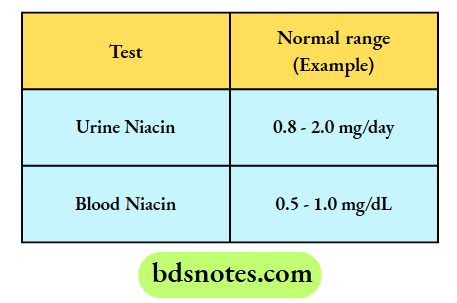
Keep in mind that these are just examples, and your doctor will interpret your results based on the specific lab’s reference ranges.
Effective Treatments For Niacin Deficiency
Alright, so you’ve figured out you might have a niacin deficiency. What’s next? Thankfully, there are several ways to tackle this, ranging from simple diet tweaks to medical interventions. Let’s break it down.
Dietary Changes
First things first, let’s talk food. Upping your niacin intake through diet is often the initial step. Think about incorporating more niacin-rich foods into your meals. We’re talking about things like:
- Poultry (chicken, turkey)
- Fish (tuna, salmon)
- Beef
- Mushrooms
- Peanuts
It’s not just about eating these foods, but also about making them a regular part of your diet. Small changes can add up over time. For example, swapping out a sugary snack for a handful of peanuts can make a difference. Also, consider cooking methods. Grilling or baking is better than frying, as it helps retain more of the nutrients.
Supplementation Options
Sometimes, diet alone isn’t enough, especially if the deficiency is severe or if there are underlying conditions affecting nutrient absorption. That’s where supplements come in. There are a few different forms of niacin supplements available, and your doctor can help you figure out which one is best for you. One option is nicotinamide for treatment, which is often suggested because it doesn’t cause flushing.
- Niacinamide (nicotinamide): Less likely to cause flushing.
- Niacin (nicotinic acid): Can cause flushing (redness, warmth, itching).
It’s important to talk to your doctor before starting any new supplement, especially if you’re already taking other medications. They can help you determine the right dosage and monitor for any potential side effects.
Addressing Underlying Conditions
Sometimes, a niacin deficiency isn’t just about what you’re eating (or not eating). It can be a symptom of another medical issue. Conditions like alcohol use disorder, Crohn’s disease, and certain medications can interfere with niacin absorption or metabolism. If that’s the case, treating the underlying condition is key. This might involve:
- Working with a specialist to manage a digestive disorder.
- Seeking treatment for alcohol use disorder.
- Adjusting medications (under a doctor’s supervision).
In these situations, simply taking niacin supplements might not be enough. You need to address the root cause of the problem to effectively treat the deficiency. Your doctor will likely run tests to see if there are any underlying issues contributing to your niacin levels.
Preventing Deficiency Of Niacin
It’s way better to not get sick in the first place, right? When it comes to niacin deficiency, a little planning can go a long way. Here’s how to keep your niacin levels where they should be.
Balanced Diet Recommendations
Eating a well-rounded diet is the cornerstone of preventing niacin deficiency. It’s not just about popping a pill; it’s about making sure your body gets what it needs from real food. Think of it as building a solid foundation for your health. Here’s what to focus on:
- Lean Meats: Chicken, turkey, and beef are good sources.
- Fish: Tuna, salmon, and other fatty fish contribute niacin.
- Legumes: Beans, lentils, and peas offer niacin and other nutrients.
- Nuts and Seeds: Peanuts, sunflower seeds, and almonds are beneficial.
Importance of Fortified Foods
Fortified foods can be a real game-changer, especially if you’re not always able to eat a perfectly balanced diet. Fortification means adding nutrients to foods that might not have them naturally, or boosting the levels of nutrients that are already there. This is a common practice with things like breakfast cereals and bread. These foods can help bridge the gap and ensure you’re getting enough niacin, even on days when your diet isn’t ideal. Just be sure to check the labels to see how much niacin you’re actually getting.
Monitoring At-Risk Populations
Some people are more likely to develop a niacin deficiency than others. If you fall into one of these groups, it’s extra important to keep an eye on your niacin intake and talk to your doctor about whether you need to be monitored more closely. These groups include:
- People with alcohol use disorder.
- Individuals with malabsorption issues (like Crohn’s disease).
- Those with limited dietary variety.
It’s important to remember that prevention is always better than cure. By focusing on a balanced diet, utilizing fortified foods, and monitoring at-risk populations, we can significantly reduce the incidence of niacin deficiency and its associated health problems. If you’re concerned about your niacin levels, don’t hesitate to reach out to a healthcare professional for personalized advice.
Long-Term Effects Of Untreated Niacin Deficiency
If you ignore a niacin deficiency for too long, things can get pretty serious. What starts as something minor can turn into major health problems that affect your brain, skin, and gut. It’s not something to take lightly, so understanding the potential long-term effects is really important.
Cognitive Impairment
One of the scariest long-term effects is what it can do to your brain. We’re talking about cognitive impairment, which can show up in a few different ways. You might start having trouble remembering things, feeling confused, or even experiencing more serious issues like dementia. It’s like your brain is slowly losing its ability to function properly.
- Memory loss
- Difficulty concentrating
- Disorientation
It’s easy to dismiss these symptoms as just getting older or being stressed, but if they’re happening alongside other signs of niacin deficiency, it’s worth getting checked out. Ignoring these cognitive changes can lead to a significant decline in your quality of life.
Skin Complications
Niacin is super important for keeping your skin healthy, so when you don’t have enough, your skin can really suffer. One of the hallmark signs of severe niacin deficiency is pellagra, which causes a thick, scaly rash, especially on areas exposed to sunlight. This rash can be super itchy and uncomfortable, and over time, it can lead to permanent skin damage. It’s not just a cosmetic issue; it can be really painful and affect your overall well-being. The skin may become:
- Inflamed
- Cracked
- Hyperpigmented
Gastrointestinal Issues
Your gut can also take a hit if you’re low on niacin for a long time. Niacin helps keep your digestive system running smoothly, so without it, you might experience all sorts of unpleasant symptoms. Diarrhea is a common one, and it can lead to dehydration and other complications if it’s not managed. You might also have nausea, vomiting, and a loss of appetite, which can make it hard to get the nutrients you need. Over time, these gastrointestinal problems can really mess with your overall health and make it tough to enjoy life. Some common issues include:
- Chronic diarrhea
- Abdominal pain
- Loss of appetite
Consulting Healthcare Professionals About Niacin Deficiency

It’s important to know when to seek professional medical advice if you suspect a niacin deficiency. Don’t hesitate to reach out to a healthcare provider if you’re experiencing symptoms or have concerns about your niacin levels. They can provide accurate diagnoses and guide you through appropriate treatment options.
When To Seek Help
If you notice any symptoms that might indicate a niacin deficiency, such as skin rashes, digestive issues, or neurological changes, it’s time to consult a healthcare professional. Early intervention can prevent the deficiency from progressing to more severe stages like pellagra. Don’t wait for symptoms to worsen before seeking help. If you have a medical condition that affects nutrient absorption, or if you’re at risk due to dietary restrictions or alcohol use, regular check-ups are crucial.
Questions To Ask Your Provider
When you visit your healthcare provider, come prepared with questions. This will help you get the most out of your appointment and better understand your condition. Here are some questions you might consider asking:
- Could my symptoms be related to a niacin deficiency?
- What tests can confirm a niacin deficiency?
- What are the best treatment options for me?
- Are there any underlying conditions that could be contributing to this deficiency?
- What dietary changes should I make to increase my niacin intake?
Follow-Up Care
Follow-up care is essential to ensure that treatment is effective and to monitor your progress. Your healthcare provider may recommend regular blood tests to check your niacin levels and assess your overall health. It’s important to adhere to their recommendations regarding water-soluble vitamins and lifestyle adjustments. Be sure to report any new or worsening symptoms to your provider promptly. Consistent follow-up care can help prevent long-term complications and maintain optimal health.
Remember, managing a niacin deficiency often involves a combination of dietary changes, supplementation, and addressing any underlying medical conditions. Working closely with your healthcare provider will help you develop a personalized treatment plan that meets your specific needs.
Wrapping It Up
In summary, niacin deficiency is not something most people in developed countries worry about, but it can still happen. If you’re not getting enough niacin, whether from your diet or due to health issues, it can lead to some pretty serious problems. Symptoms can start off mild but can escalate quickly if left untreated. The good news is that it’s usually easy to fix. You can boost your niacin intake through supplements or by eating more foods rich in this vitamin. If you think you might be dealing with a deficiency, don’t hesitate to talk to your doctor. They can help you figure out the best way to get your levels back on track.
Niacin Frequently Asked Questions
Question 1. What Causes Niacin Deficiency?
Answer: Niacin deficiency can happen due to not eating enough niacin-rich foods, certain health problems, or drinking too much alcohol.
Question 2. What Are The Early Signs Of Niacin Deficiency?
Answer: Early signs include skin rashes, digestive issues like diarrhea, and feeling tired or weak.
Question 3. How Is Niacin Deficiency Diagnosed?
Answer: Doctors usually check your medical history, do a physical exam, and may order blood tests to see if you have enough niacin.
Question 4. What Treatments Are Available For Niacin Deficiency?
Answer: Treatments include eating more foods with niacin, taking supplements, and addressing any health issues that might be causing the deficiency.
Question 5. How Can I Prevent Niacin Deficiency?
Answer: You can prevent it by eating a balanced diet with foods like meat, fish, and fortified grains that contain niacin.
Question 6. What Happens If Niacin Deficiency Is Not Treated?
Answer: If not treated, it can lead to serious problems like cognitive issues, skin problems, and digestive troubles.
Leave a Reply