Understanding Apoptosis: The Key to Programmed Cell Death in Health and Disease
“What is apoptosis? A detailed question and answers guide”
Apoptosis, or programmed cell death, is a natural process that our bodies use to remove cells that are no longer needed or are damaged. This mechanism is crucial for maintaining health and preventing diseases.
Understanding apoptosis can shed light on its vital role in various biological processes, from fetal development to immune response and even in the context of diseases like cancer and neurodegenerative disorders.
In this article, we will explore how apoptosis works, its significance in health and disease, and its potential therapeutic implications.
“Understanding apoptosis through FAQs: Composition, functions, and uses explained”
Apoptosis Definition:
- It is defined as the programmed cell death under genetic control.
Apoptosis Significance:
- Responsible for regression of duct system during sex differentiation in the foetus.
- Respondible for degeneration and regeneration of neurons.
- Responsible for removal of inappropriate clones of immune cells.
- Responsible for cyclic sheeding of endometrium at the time of menstruation.
- Responsible for cell shed from the tip of the villi in the small intestine.
- Removes auto-aggressive T cells and prevents autoimmune diseases.
- Plays vital role in cellular hoemostasis.
- Useful for removal of a cell that is damaged by a virus or toxin.
Apoptosis Mechanism
- Apoptosis is a controlled process that helps eliminate damaged or unnecessary cells.
- It plays a vital role in fetal development and tissue maintenance after birth.
- Dysregulation of apoptosis can lead to diseases such as cancer and neurodegenerative disorders.
- Understanding apoptosis can improve approaches to cancer treatment and regenerative medicine.
- Different forms of cell death, like necrosis and pyroptosis, are related but distinct from apoptosis.
The Mechanism of Apoptosis
How Does Apoptosis Work?
So, apoptosis, or programmed cell death, is like the body’s way of cleaning house. It’s a carefully controlled process that eliminates cells that are no longer needed or are a threat to the organism. Think of it as a cellular self-destruct button. Certain proteins, like p53 (a tumor suppressor), can trigger apoptosis if a cell’s DNA is too damaged to repair.
Once apoptosis starts, the cell breaks down into smaller pieces. These pieces are then consumed by other cells, called phagocytes, preventing inflammation. It’s a neat and tidy process, unlike necrosis, which is a much messier form of cell death.
“Importance of studying apoptosis for medical students: Questions explained”
Key Proteins Involved in Apoptosis
Apoptosis isn’t a random event; it’s orchestrated by a bunch of key proteins. These proteins can be broadly classified into two groups: initiators and executioners.
- Initiator caspases start the process.
- Executioner caspases carry out the cell’s dismantling.
- Bcl-2 family proteins regulate the process, either promoting or inhibiting apoptosis.
The balance between pro-apoptotic (cell death promoting) and anti-apoptotic (cell death inhibiting) proteins determines whether a cell lives or dies. It’s a complex interplay, and disruptions in this balance can lead to diseases like cancer.
For example, mitochondrial degradation is a critical step involving proteins like Bax and Bak that poke holes in the mitochondria, releasing factors that activate caspases.
Stages of Apoptosis
Apoptosis unfolds in a series of distinct stages:
- Initiation: Triggered by internal or external signals.
- Regulation: Involves a delicate balance of pro- and anti-apoptotic proteins.
- Execution: Caspases dismantle the cell.
- Removal: Phagocytes clear away the cellular debris.
Each stage is tightly controlled, and problems at any step can have serious consequences. For instance, if the removal stage fails, cellular debris can accumulate, leading to inflammation and potentially autoimmune diseases. Understanding these stages is key to developing therapies that target apoptosis in various diseases.
The Role of Apoptosis in Development
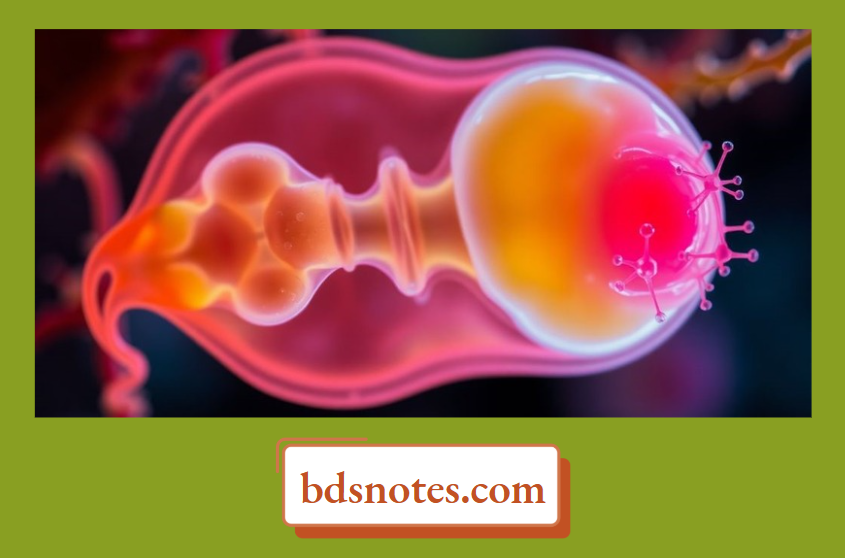
“Common challenges in mastering apoptosis notes effectively: FAQs provided”
Apoptosis isn’t just about getting rid of bad cells; it’s also super important during development. Think of it like a sculptor carefully chipping away at a block of marble to reveal the statue inside. In our bodies, apoptosis helps shape tissues and organs as we grow, both before and after birth. It’s a pretty neat process, actually.
Apoptosis in Fetal Development
Apoptosis is a key player in shaping a fetus. It’s responsible for things like forming fingers and toes by removing the tissue between them. Without it, we’d all have webbed hands and feet! It also helps in the development of the nervous system, making sure we have the right number of neurons and that they’re connected properly. It’s kind of wild to think about how much cell death is needed to create something as complex as a human being. This process ensures that the fetal tissues turn into different parts.
“Factors influencing success with apoptosis studies: Q&A”
Cellular Remodeling After Birth
Apoptosis doesn’t stop after birth; it continues to play a role in remodeling tissues and organs as we grow and mature. For example, it helps to shape the heart and other organs. It’s also involved in the development of the immune system, making sure we have the right types of immune cells and that they’re working properly. It’s like a constant process of fine-tuning and adjustment, ensuring that everything is working as it should.
Importance in Tissue Homeostasis
Tissue homeostasis, or balance, is crucial for keeping our bodies healthy. Apoptosis helps maintain this balance by removing old, damaged, or unnecessary cells. This makes room for new cells and prevents the buildup of cells that could cause problems. Think of it like a gardener constantly pruning a plant to keep it healthy and productive. Without apoptosis, our tissues would become overgrown and dysfunctional. Here are some key roles:
- Supporting the body’s constant need to replace old cells and tissues.
- Helping the immune system fight infections.
- Ridding the body of damaged cells that can’t be repaired.
Apoptosis is essential for maintaining tissue homeostasis. It ensures that the number of cells in a tissue remains constant and that damaged or unwanted cells are removed efficiently. This process is vital for preventing diseases like cancer and autoimmune disorders.
Apoptosis and Immune Function
Apoptosis, or programmed cell death, plays a really big part in keeping our immune system working right. It’s not just about getting rid of old cells; it’s a key way the body controls immune responses and prevents things like autoimmunity. Think of it as the immune system’s way of cleaning house and making sure everything stays balanced.
“Steps to explain functions of apoptosis: Tissue development vs immune regulation: Q&A guide”
How Apoptosis Affects Immune Response
Apoptosis is super important for keeping the immune system in check. It helps to remove immune cells that are no longer needed after an infection is cleared. If apoptosis doesn’t happen enough, immune cells can stick around too long and cause problems. On the other hand, too much apoptosis can weaken the immune system, making it harder to fight off infections. It’s a delicate balance.
- Controls the number of immune cells
- Prevents excessive inflammation
- Maintains immune tolerance
Role in Eliminating Infected Cells
One of the main jobs of the immune system is to get rid of cells that are infected with viruses or other pathogens. Apoptosis is a key way this happens. When a cell is infected, the immune system can trigger apoptosis to kill the infected cell before it can spread the infection to other cells. This is a really important defense mechanism. The caspase cascade is often activated in these scenarios.
Impact on Autoimmunity
Autoimmunity happens when the immune system mistakenly attacks the body’s own cells. Apoptosis plays a role in preventing this by getting rid of immune cells that are reactive to self-antigens. If this process doesn’t work right, these self-reactive cells can survive and cause autoimmune diseases. Problems with immune balance can lead to conditions like:
- Type 1 diabetes
- Multiple sclerosis
- Lupus
Apoptosis is a critical mechanism for maintaining immune homeostasis. When this process is disrupted, it can lead to a variety of immune-related disorders, highlighting its importance in overall health.
“Role of tissue development in eliminating unnecessary cells: Questions answered”
Apoptosis in Disease
Consequences of Dysregulated Apoptosis
When apoptosis goes wrong, it can have serious effects. Too much or too little programmed cell death can contribute to a range of diseases. If apoptosis happens too much, it can lead to the loss of essential cells, like in neurodegenerative disorders. On the other hand, if it doesn’t happen enough, damaged cells can accumulate, potentially leading to cancer or autoimmune diseases.
“Early warning signs of undiagnosed function-related issues: Common questions”
Apoptosis in Cancer Development
Apoptosis is a crucial mechanism that prevents cancer. When cells have damaged DNA, apoptosis should kick in to eliminate them. However, cancer cells often find ways to evade apoptosis, allowing them to grow uncontrollably. This resistance to apoptosis is a hallmark of cancer. Understanding how cancer cells bypass this process is key to developing effective treatments. For example, certain proteins might prevent apoptosis from happening when it should, resulting in damaged cells sticking around, and tumors can grow. Researchers are looking into drugs that can block the action of these proteins, in turn allowing apoptosis to occur.
Role in Neurodegenerative Diseases
In neurodegenerative diseases like Alzheimer’s and Parkinson’s, excessive apoptosis can lead to the loss of neurons, contributing to cognitive decline and motor dysfunction. The exact mechanisms that trigger this excessive cell death are still being investigated, but factors like oxidative stress, inflammation, and protein misfolding are thought to play a role. Therapies aimed at slowing down or preventing neuronal apoptosis could potentially slow the progression of these devastating diseases. Apoptosis doesn’t happen when it should, or doesn’t happen enough, damaged cells stick around in your body and continue to grow and multiply. Either way, when apoptosis doesn’t happen the way it should, it can harm you and lead to serious problems.
Apoptosis is one of many processes that occur every day inside your body to help keep you alive. You can’t see it happening, but programmed cell death is vital in supporting your health and preventing illness. Your healthcare provider can tell you more about the role apoptosis plays in your specific diagnosis and what this means for you.
“Asymptomatic vs symptomatic effects of delayed treatment: Answered”
Therapeutic Implications of Apoptosis
Targeting Apoptosis in Cancer Treatment
Apoptosis, or programmed cell death, is a big deal when it comes to cancer. Cancer cells often find ways to dodge apoptosis, which lets them grow uncontrollably. So, a major area of research is figuring out how to re-activate apoptosis in these cells. One approach involves developing drugs that target the proteins that prevent apoptosis. For example, some drugs aim to block the action of proteins that normally inhibit apoptosis, essentially removing the brakes and allowing the cancer cells to self-destruct. Another strategy is to boost the activity of proteins that promote apoptosis. It’s a delicate balance, but the goal is to selectively kill cancer cells while sparing healthy ones.
Potential in Regenerative Medicine
While we often think about boosting apoptosis to fight cancer, there are situations where we want to prevent it. In regenerative medicine, the goal is to repair or replace damaged tissues and organs. Sometimes, cells die off due to injury or disease, hindering the healing process. By understanding the mechanisms that trigger apoptosis in these situations, we might be able to develop therapies that keep cells alive longer, giving them a chance to repair the damage. This could be useful in treating conditions like heart disease or neurodegenerative disorders, where cell loss is a major problem. One promising area involves using apoptotic vesicles to promote tissue repair.
Future Research Directions
Research into apoptosis is still going strong, and there are many exciting avenues being explored. Here are a few:
- Developing more selective drugs: The goal is to create drugs that target cancer cells specifically, without harming healthy cells. This could reduce side effects and improve treatment outcomes.
- Understanding the role of apoptosis in different diseases: Apoptosis is involved in a wide range of conditions, from cancer to autoimmune disorders to neurodegenerative diseases. Learning more about its role in each of these diseases could lead to new and more effective treatments.
- Exploring new ways to manipulate apoptosis: Researchers are looking at various approaches, including gene therapy and immunotherapy, to control apoptosis and fight disease.
Understanding how apoptosis works and how to control it has huge potential for treating a wide range of diseases. It’s a complex process, but the more we learn, the better equipped we’ll be to develop new and effective therapies.
“Can early intervention reverse apoptosis risks? FAQs provided”
Comparing Apoptosis and Other Cell Death Mechanisms
Necrosis vs. Apoptosis
Okay, so apoptosis is like the body’s way of neatly cleaning house, but what happens when things get messy? That’s where necrosis comes in. Apoptosis is programmed cell death, while necrosis is often the result of injury or infection. Think of it this way: apoptosis is like a planned demolition, while necrosis is like a building collapsing because of a fire.
- Apoptosis doesn’t cause inflammation; necrosis does.
- Apoptosis is controlled; necrosis is often uncontrolled.
- Apoptosis involves cell shrinkage; necrosis involves cell swelling.
Necrosis used to be seen as just a chaotic, accidental form of cell death. But now, we know there are actually some controlled forms of necrosis too. It’s not always just a random mess; sometimes, the body has a reason for choosing this path.
Programmed Necrosis: Necroptosis
So, you might be thinking, “Wait, controlled necrosis?” Yep, that’s necroptosis. It’s basically a backup plan when apoptosis can’t happen. Necroptosis is a programmed form of necrosis, and it’s triggered by different signals than apoptosis. It’s like having a second option for cell death, just in case the first one is blocked.
Pyroptosis And Its Implications
Now, let’s throw another player into the mix: pyroptosis. This one’s a bit different because it’s usually triggered by infections, especially inside cells. Pyroptosis is a type of programmed cell death that’s often associated with inflammation. It’s like the cell is sacrificing itself to alert the immune system.
Here’s a quick comparison:

Understanding Apoptosis in Clinical Contexts
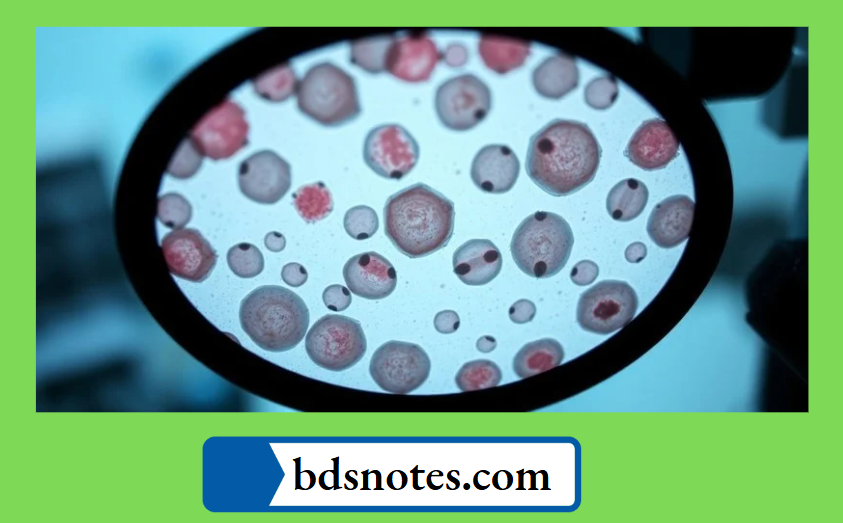
“Differential applications of pharmacological vs non-pharmacological treatments: Questions answered”
Apoptosis in Chronic Diseases
Apoptosis, or programmed cell death, plays a big role in many chronic diseases. When apoptosis doesn’t work right, it can lead to problems. For example, too little apoptosis can cause cells to build up, potentially leading to cancer. On the other hand, too much apoptosis can destroy healthy cells, which happens in diseases like Alzheimer’s. Understanding how apoptosis is involved can help us find better ways to treat these conditions.
It’s wild to think that something happening at the cellular level can have such a huge impact on our overall health. Apoptosis is like the body’s way of cleaning house, and when that process gets messed up, things can go wrong pretty quickly.
Diagnostic Tools for Apoptosis Assessment
So, how do doctors figure out if apoptosis is happening correctly? Well, there are several diagnostic tools they can use. These tools help them see if cells are dying when they should, or if there’s too much or too little cell death. Here are a few common methods:
- Flow Cytometry: This technique uses fluorescent dyes to label cells undergoing apoptosis, allowing doctors to count and analyze them.
- TUNEL Assay: This test detects DNA fragmentation, a hallmark of apoptosis. It’s often used on tissue samples.
- Caspase Activity Assays: Caspases are key enzymes in the apoptotic pathway. Measuring their activity can indicate whether apoptosis is occurring.
These tools are super important for diagnosing and monitoring diseases where apoptosis is a factor. They help doctors understand what’s going on at a cellular level, which can guide treatment decisions. For example, apoptosis intiation is a key factor in cancer treatment.
“Steps to explain disorders affecting apoptosis: Cancer vs neurodegeneration: Q&A guide”
Patient Management and Apoptosis
Okay, so what does all this mean for patients? Well, understanding apoptosis can help doctors manage diseases more effectively. If a patient has a condition where apoptosis is messed up, doctors can try to fix it with different treatments. This might involve using drugs to either increase or decrease apoptosis, depending on the situation. It’s all about finding the right balance. Here’s a simple breakdown:
- Cancer: Treatments might aim to trigger apoptosis in cancer cells.
- Autoimmune Diseases: Therapies might focus on reducing apoptosis to protect healthy cells.
- Neurodegenerative Diseases: Strategies could involve preventing excessive apoptosis of neurons.
Ultimately, the goal is to use our knowledge of apoptosis to improve patient outcomes and quality of life. It’s a complex process, but the more we learn, the better we can help people.
“Role of apoptosis evasion in causing cancer: Questions answered”
The Importance of Apoptosis
In summary, apoptosis is a natural process that plays a big role in keeping our bodies healthy. It helps get rid of cells that are old or damaged, which is super important for preventing diseases like cancer. But when things go wrong, and apoptosis happens too much or not enough, it can lead to serious health issues. Understanding how apoptosis works can give you insights into your health and help you communicate better with your doctor about any concerns. So, whether it’s for you or someone you care about, knowing about apoptosis can really make a difference.
Frequently Asked Questions
What is apoptosis?
Apoptosis is how your body gets rid of cells that are damaged or no longer needed. It’s a planned process where cells die in a controlled way.
How does apoptosis work?
Apoptosis starts when certain proteins in your body, like p53, tell the cell to stop dividing if it’s damaged. Then, the cell breaks down into small pieces that other cells can clean up.
Why is apoptosis important?
Apoptosis helps keep your body healthy by removing old or damaged cells. This is important for growth and for preventing diseases like cancer.
“Differential applications of surgical vs non-surgical treatments: Questions answered”
Can too much apoptosis be harmful?
Yes, if too many healthy cells die, it can lead to problems like neurodegenerative diseases, where important brain cells are lost.
How does apoptosis relate to cancer?
In cancer, apoptosis doesn’t work properly. Cancer cells often avoid apoptosis, allowing them to grow and multiply uncontrollably.
What role does apoptosis play in the immune system?
Apoptosis helps the immune system by removing infected or harmful cells, which is crucial for fighting off infections.
Leave a Reply