Masseter Muscle
“What is mass peristalsis? A detailed question and answers guide”
- Masseter muscle is quadrilateral in shape
- Masseter muscle is muscle of mastication
- Masseter muscle is two layers superficial and deep
Masseter muscle Origin:
- Superficial layer
- Anterior 2/3rd of lower border of zygomatic arch
- Zygomatic process of maxilla
- Deep layer
- Deep surface of zygomatic arch
“Understanding mass peristalsis through FAQs: Composition, functions, and uses explained”

“Importance of studying mass peristalsis for medical students: Questions explained”
Masseter muscle Insertion:
- Upper and anterior part of lateral surface of ramus of mandible
- Part of coronoid process
Read And Learn More: BDS Previous Examination Question And Answers
Masseter muscle Nerve supply:
- Massetric nerve
- Branch from anterior division of mandibular nerve
Masseter muscle Actions:
- Elevates the mandible
- Superficial fibres help in protrusion
- Deep fibres help in retraction of mandible.
“Common challenges in mastering mass peristalsis notes effectively: FAQs provided”
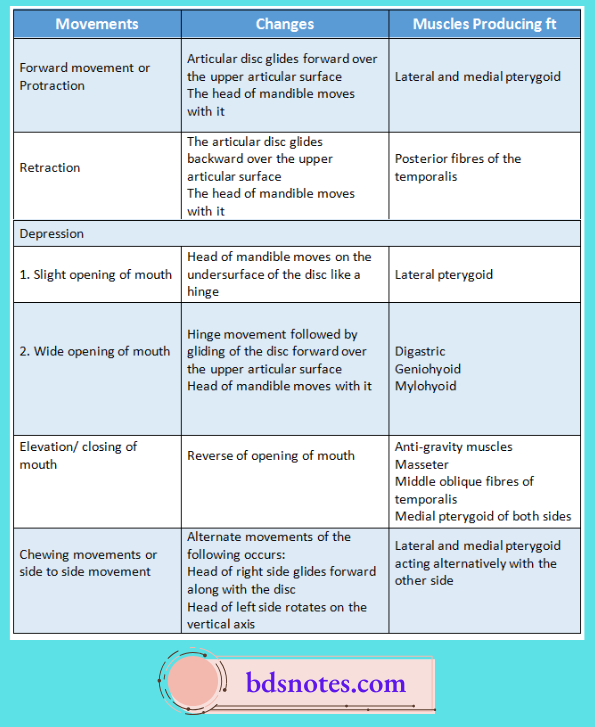
Question 2. Movements of temporomandibular joint
Answer:
“Factors influencing success with mass peristalsis studies: Q&A”
Lingual nerve Origin:
- It is one of the terminal branch of the posterior division of trigeminal nerve
Lingual nerve Distribution:
- Sensory to anterior twothird of the tongue & floor of the mouth
- Secretomotor to Submandibular & Sublingual glands
- Gustatory to anterior twothird of the tongue
Leave a Reply