Artificial Respiration
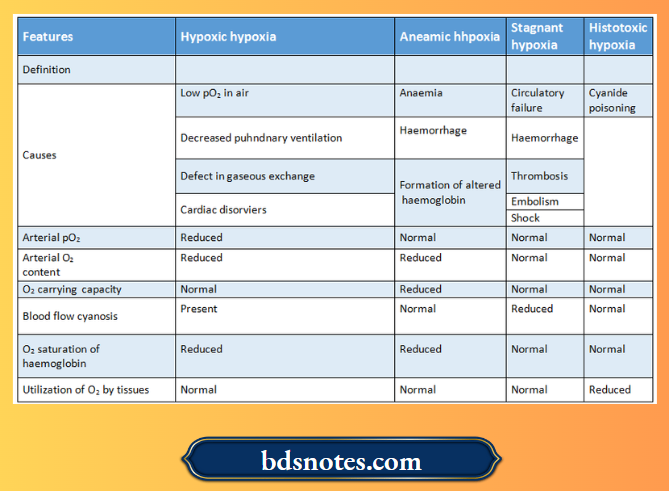
Question 1. Classify Hypoxia. Explain each Type of Hypoxia.
Answer:
Hypoxia Types:
- Based on the cause of their production, hypoxia is classified as follows.
“Understanding artificial respiration through FAQs: Techniques, equipment, and uses explained”
“Importance of studying artificial respiration for medical students: Questions explained”
Question 2. Artificial Respiration.
Answer:
Artifical respiration is required whenever there is arrest of breathing which occurs during.
- Accidents
- Drowning
- Asphyxia.
- Gas poisoning.
Artificial Respiration Purpose:
- Ventilation of alveoli.
- Stimulation of respiratory centers.
“Common challenges in mastering artificial respiration notes effectively: FAQs provided”
Artificial Respiration Method:
1. Manual method:
- It can be quickly without any medical aid.
- It includes two methods.
Mouth to mouth method:
- Here the subject is kept in supine, position and his head is extended.
- The operator forcibly expires into the mouth of the subject at a rate of 12-15 times per minute till normal respiration is restored.
Holger Neilson method:
- Here the subject is kept in prone position with head turned to one side.
- The operator places his hand over back of subject and applies pressure.
2. Mechanical methods:
- They are employed when artificial respiration has to be sustained for a longer period of time.
- They are of two types.
“Factors influencing success with artificial respiration studies: Q&A”
Drinker’s method:
- In this method, thorax is enclosed in a specially designed tank, in which positive and negative pressure changes are maintained alternatively.
Ventilation method:
- A rubber tube is introduced into the trachea of the subject.
- By using a pump, oxygen is pumped into lungs.
Types of apparatus:
“Differential applications of traditional vs modern tools: Questions answered”
1. Volume ventilator:
- By this, a constant volume of air is pumped into the lungs of the subject.
2. Pressure ventilator:
- By this, air is pumped into the lungs of the subject with constant high pressure.
Leave a Reply