Chemical Regulation Of Respiration
Question 1. Chemical Regulation of Respiration.
Answer:
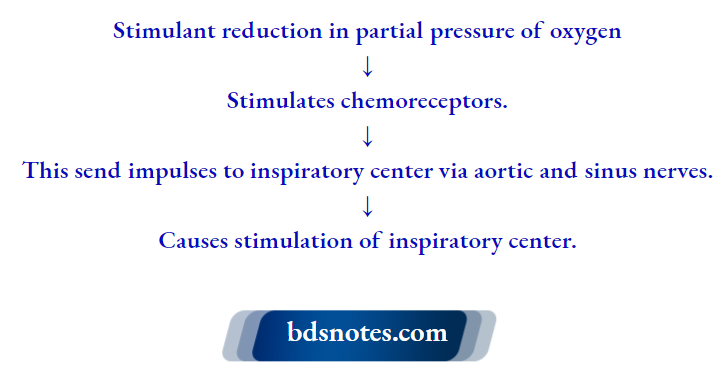
The chemical regulation of respiration is brought about by respiratory chemoreceptors.
Chemical Regulation of Respiration Types:
- Respiratory chemoreceptors are of two types.
1. Peripheral chemoreceptors.
Chemical Regulation of Respiration Situation:
- Carotid body near the common carotid artery bifurcation.
- Aortic bodies – near the arch of aorta.
Chemical Regulation of Respiration Mechanism of action:
“Understanding chemical regulation of respiration through FAQs: Mechanisms, functions, and uses explained”
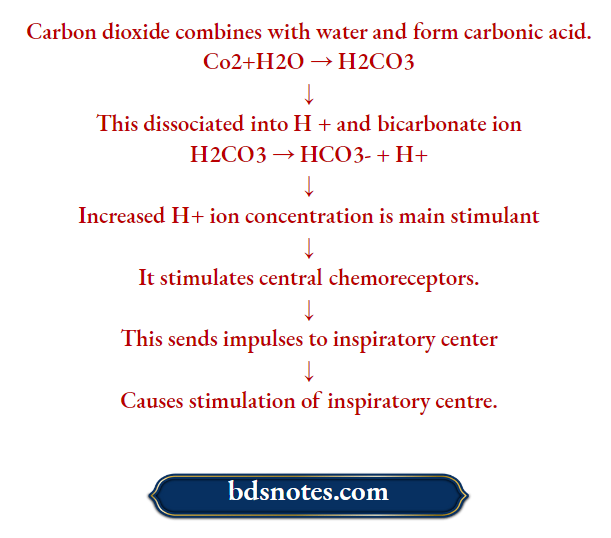
2. Central chemoreceptors:
Central chemoreceptors Situation:
- In the deeper part of medulla.
Central chemoreceptors Mechanism:
“Importance of studying chemical regulation of respiration for medical students: Questions explained”
Question 2. Factors Affecting Respiratory Centers.
Answer:
1. Impulses from higher centres:
- Ventral surface of frontal cortex inhibits respiration while motor cortex stimulates it.
- Pain and emotional disturbances through hypothalamus stimulates respiration.
- Fever through anterior hypothalamus produces rapid and shallow respiration.
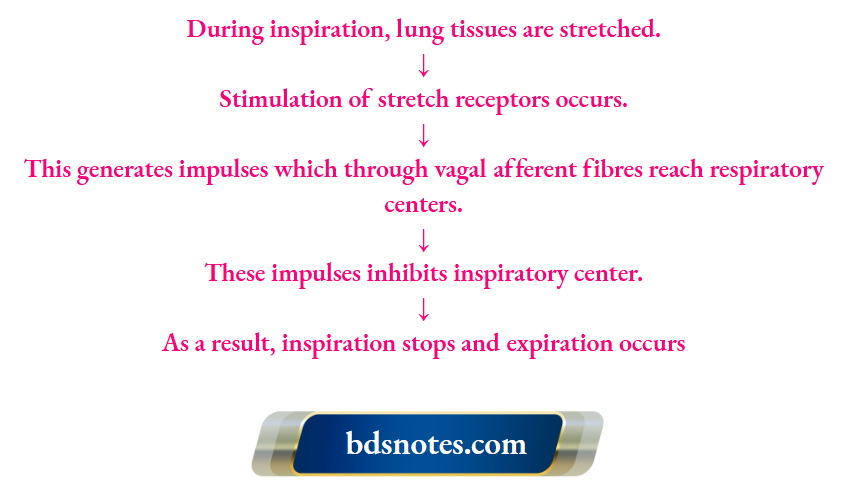
2. Impulses from stretch receptors of lungs called hering – breuer reflex:
“Common challenges in mastering chemical regulation of respiration notes effectively: FAQs provided”
3. Afferents from proprioceptors:
- Active or passive movement of joint, stimulates proprioceptors.
- These sends afferent impulses to inspiration center.
- Stimulation of inspiratory center occurs.
- This, in turn, increases rate and depth of inspiration.
4. Impulses from J receptors of lungs:
- J receptors are present in alveoli.
- Its stimulation produces a reflex response characterized by apnea.
5. Impulses from baroreceptors:
- Baroreceptors are stimulated by high BP.
- On stimulation, they send impulses which causes inhibition of respiration.
“Factors influencing success with chemical regulation studies: Q&A”
6. Impulses from chemoreceptors:
- Stimulated by presence of lack of O2 excess of Co2.
- Causes increase in rate and depth of respiration.
7. Cough reflex:
- Caused by irritation of respiratory tract beyond nose.
- Result in stimulation of vagus nerve.
- It begins with deep inspiration followed by forced expiration against a closed glottis.
“Steps to explain the role of O₂ in chemical regulation of respiration: Hypoxia vs hyperoxia: Q&A guide”
8. Sneezing reflex:
- It is similar to cough reflex but acts against open glottis.
- It causes stimulation of trigeminal nerve.
Leave a Reply