Dead Space
What are two types of dead space? How it is determined?
Answer:
Dead Space Definition:
- It is the amount of air in the respiratory passage which does not take part in exchange of gases.
Dead Space Types:
1. Anatomical dead space:
- It is the volume of air present in the `conducting zone’ of the respiratory passage.
- It exists from nose and mouth upto terminal bronchiole where exchange of gases does not take place.
“Understanding dead space through FAQs: Anatomical vs physiological explained”
2. Physiological dead space:
- It includes anatomical dead space plus volume of air in the alveoli which does not take part in exchange of gases.
- It includes.
- Air in the non-functioning alveoli.
- Air in the alveoli which do not receive adequate blood flow.
Dead Space Normal value:
- The volume of normal dead space is 150 ml.
Determination of dead space:
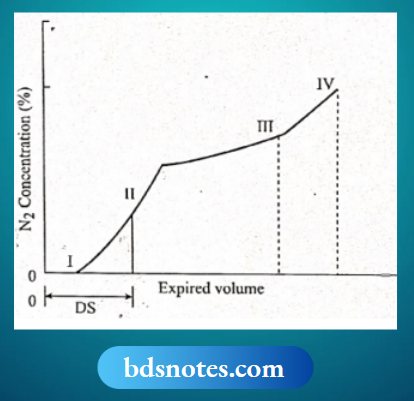
- The dead space is determined by single breath nitrogen washout method.
- The subject is asked to take a deep breath of pure oxygen and expire steadily into a nitrogen meter.
- The concentration of nitrogen in the expired air is recorded continuously.
- The first portion of expired air comes from upper part of respiratory tract contains only oxygen.
- The next portion of expired air comes from the alveoli containing nitrogen.
- The nitrogen concentration in expired air increases continuously.
- The graph obtained is as follows.
“Importance of studying dead space for medical students: Questions explained”
“Common challenges in mastering dead space notes effectively: FAQs provided”
Leave a Reply