Pancreatic Juice
Describe the composition, functions and regulation of secretion of pancreatic juice.
Answer:
Pancreatic Juice Composition:
- Pancreatic juice contains
- Water-99.5%
- Solids -0.5%
- Organic substances – enzymes
- Proteolytic enzymes – trypsinogen, carboxypepditase, elastase
- Nucleases – deoxyribonucleases
- Amylolytic – pancreatic amylase
- Lipolytic pancreatic lipase, phospholipase
- Inorganic substances
- Cations
- Sodium, potassium, calcium, magnesium, zinc
- Anions
- Bicarbonate, chloride, phosphate, sulphate
- Cations
- Organic substances – enzymes
“Understanding pancreatic juice through FAQs: Composition, functions, and uses explained”
Pancreatic Juice Functions:
- Digestive function
- Enzymes present in the pancreatic juice helps in digestion of proteins, lipids and carbohydrates
- Neutralizing action
- As soon as acidic chyme enters intestine from stomach, large quantity of pancreatic juice with its alkaline bicarbonate content is release into intestine
- This alkaline bicarbonate neutralizes the acidic chyme
- Thus, intestine is protected from the destructive action of acidic chyme
Pancreatic Juice Regulation:
Pancreatic Juice Stages:
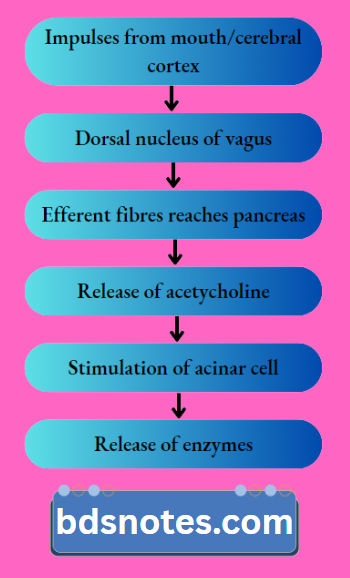
1. Cephalic phase
Regulated by two reflexes:
- Unconditioned reflex- occurs when food is placed in mouth
- Conditioned reflex – occurs due to sight, smell, hearing or thought of food
Nervous Pathway:
“Importance of studying pancreatic juice for medical students: Questions explained”
“Steps to explain disorders affecting pancreatic juice: Pancreatitis vs cystic fibrosis: Q&A guide”
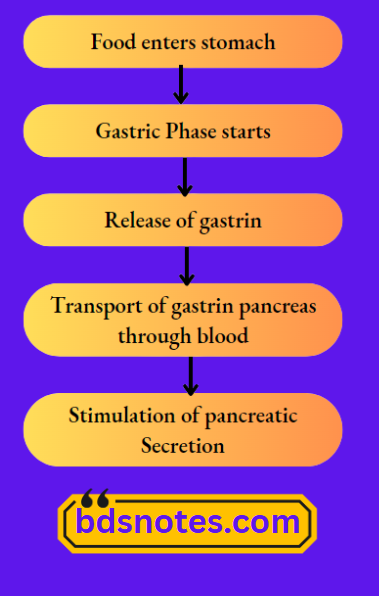
2. Gastric phase
“Common challenges in mastering pancreatic juice notes effectively: FAQs provided”
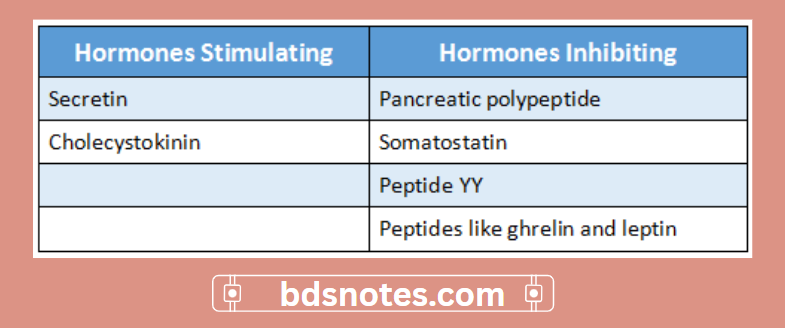
3. Intestinal phase
- Entry of chyme into intestine constitute intestinal phase
- By its entry, hormones are release which may stimulate/ inhibit pancreatic secretion.
“Factors influencing success with pancreatic juice studies: Q&A”
Leave a Reply