Unlocking The Secrets Of The Lysosome: A Key Player In Cellular Health
“What is a lysosome? A detailed question and answers guide”
The lysosome is often referred to as the cell’s recycling center, playing a vital role in maintaining cellular health. It breaks down waste materials and cellular debris, ensuring that cells function optimally. Understanding how lysosomes work can shed light on their importance in various diseases and aging processes. This article explores the secrets of the lysosome, its functions, and its connections to health and disease.
Lysosome Key Signfiance
- Lysosomes are essential for cellular cleanup, breaking down waste, and recycling materials.
- Dysfunction of lysosomes is linked to several diseases, including neurodegenerative disorders and cancer.
- The HKDC1 protein plays a crucial role in maintaining lysosomal health and function.
- Lysosomes and mitochondria interact closely, impacting processes like energy production and cell aging.
- Research into lysosomal function is paving the way for new therapeutic approaches to treat age-related diseases.
Understanding The Role Of The Lysosome
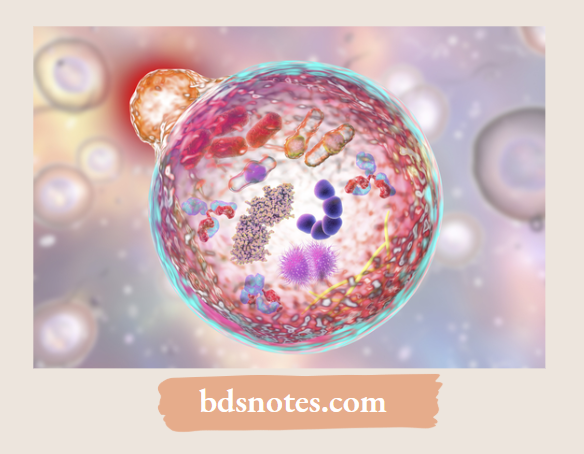
“Understanding lysosomes through FAQs: Composition, functions, and uses explained”
Lysosome Functionality In Cellular Cleanup
Okay, so lysosomes are like the garbage disposals of your cells. They’re these little sacs filled with enzymes that break down all sorts of cellular waste. Think of old proteins, damaged organelles, and even invading bacteria.
Without lysosomes, all that junk would build up and mess everything up. It’s kind of like if you never took out the trash, things would get pretty gross pretty fast. They use a process called phagocytosis to engulf larger particles, and then their enzymes get to work, breaking everything down into smaller bits that the cell can reuse or get rid of. It’s a pretty neat system.
Impact On Cellular Health
So, how important are lysosomes for keeping us healthy? Super important! They’re not just about cleaning up; they also play a big role in things like cell signaling and nutrient sensing. If your lysosomes aren’t working right, it can lead to all sorts of problems. We’re talking about things like:
- Increased cellular stress
- Problems with energy production
- A buildup of toxic substances
And when that happens, cells can start to malfunction, which can contribute to a whole range of diseases. It’s like a domino effect – one little problem with the lysosomes can cause big problems down the line. Maintaining cellular homeostasis is key to overall health.
“How do lysosomes contribute to cellular health? FAQ answered”
Lysosome Connection To Aging Processes
Now, here’s where it gets really interesting. Scientists are starting to realize that lysosomes might be a big part of why we age. As we get older, our lysosomes tend to become less efficient. They don’t break down waste as well, and they can even start to leak their enzymes, which can damage the cell.
This decline in lysosomal function is linked to a lot of age-related diseases, like Alzheimer’s and Parkinson’s. It’s like the cellular cleanup crew is getting old and tired, and things start to fall apart.
It’s not just about lifespan, but also about healthspan – how long we can stay healthy and active as we age.
If we can find ways to keep our lysosomes working well, we might be able to slow down the aging process and prevent some of these diseases. It’s a pretty exciting area of research, and there’s a lot of potential for new therapies that target lysosomal function.
Lysosome Dysfunction And Disease
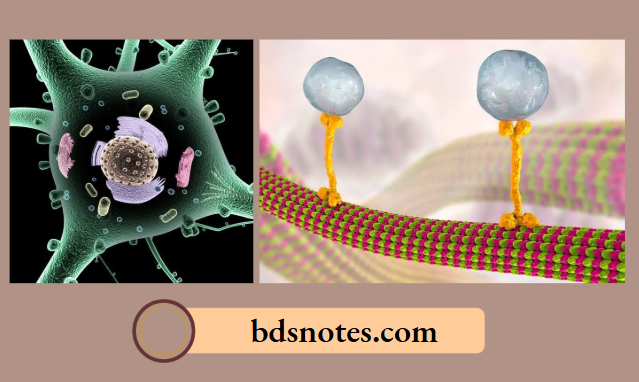
“Importance of studying lysosomes for biology students: Questions explained”
Link To Neurodegenerative Disorders
Okay, so when lysosomes don’t work right, it can mess with your brain. Seriously. Think of it like this: if your brain’s garbage disposal is broken, the trash just piles up. And that trash? It’s toxic. It can lead to some pretty nasty neurodegenerative disorders.
For example, there’s a connection between lysosomal problems and diseases like Alzheimer’s and Parkinson’s. It’s not the only cause, but it’s a factor.
The cool thing is that researchers are starting to understand exactly how this happens, which could lead to new treatments. Lysosomal dysfunction plays a significant role in various neurodegenerative disorders, including frontotemporal dementia (FTD) and multiple sclerosis (MS).
Role In Metabolic Diseases
Metabolic diseases are another area where lysosomes play a big role. These diseases often involve the buildup of certain substances in the body because the lysosomes can’t break them down properly. It’s like having a recycling plant that’s constantly backed up. Think of it like this:
- Gaucher disease: A buildup of fatty substances in organs like the spleen and liver.
- Pompe disease: Glycogen accumulates, especially in muscle cells.
- Tay-Sachs disease: Lipids build up in the brain, leading to severe neurological problems.
These diseases are often genetic, meaning they’re passed down through families. But understanding the lysosomal connection is key to finding better treatments.
Implications For Cancer Progression
And then there’s cancer. You might not immediately think of lysosomes when you think of cancer, but they’re involved. Cancer cells are sneaky; they use lysosomes to help them survive and spread. For example, lysosomes can help cancer cells break down the surrounding tissue, making it easier for them to invade other parts of the body.
Plus, lysosomes can help cancer cells resist chemotherapy. It’s like the cancer cells are using the lysosomes as a shield. So, targeting lysosomes could be a way to make cancer treatments more effective. It’s a complex area, but researchers are looking into it.
When lysosomes aren’t working correctly, it can have a domino effect, leading to a whole range of health problems.
From brain diseases to metabolic disorders and even cancer, these tiny organelles play a surprisingly big role in keeping us healthy. Understanding how they work and what happens when they don’t is crucial for developing new treatments and therapies.
“Common challenges in mastering lysosome notes effectively: FAQs provided”
Mechanisms Of Lysosomal Maintenance
Importance Of HKDC1 Protein
So, you know how your cells have these tiny little garbage disposals called lysosomes? Well, keeping them in tip-top shape is super important. Turns out, a protein called HKDC1 is a big deal in this process. It’s like the maintenance guy for your cellular waste system.
- HKDC1 helps lysosomes recover from damage.
- It’s brought in by another protein, TFEB, when things get stressful.
- It interacts with mitochondria, which are like the cell’s power plants, to keep everything running smoothly.
TFEB Regulation
TFEB, or Transcription Factor EB, is like the foreman overseeing the lysosome construction and maintenance crew. When the cell senses stress, TFEB gets activated and starts telling the cell to make more lysosomal proteins. It’s all about keeping the lysosomes stocked with the tools they need to do their job. Think of it as the cell’s way of saying, “Okay, things are getting messy, let’s get organized!” TFEB directly targets the gene encoding HKDC1, upregulating it under stress conditions.
Lysosomal Stress Responses
Lysosomes aren’t invincible. They can get stressed out by all sorts of things – toxins, infections, you name it. When that happens, the cell has a few tricks up its sleeve. One of them is to activate TFEB, as we talked about. Another is to trigger something called autophagy, which is the cell eating its damaged parts to recycle them.
It’s like a cellular spring cleaning. The cell also has ways to repair damaged lysosomes directly, making sure they don’t leak their nasty contents all over the place. Understanding these stress responses is key to keeping our cells healthy.
When lysosomes are damaged, the cell initiates a complex response to repair them and prevent further harm. This involves signaling pathways that activate repair mechanisms and promote the removal of damaged components. It’s a delicate balancing act to maintain cellular health.
“Why is proper understanding of lysosomes critical for diagnosing cellular disorders? Answered”
Lysosome And Mitochondrial Interactions: Significance Of Organelle Communication
Lysosomes and mitochondria, while distinct in their primary functions, are not isolated entities within the cell. They engage in constant communication, a dialogue that’s essential for maintaining cellular health.
This communication ensures that the cell can efficiently respond to stress, manage energy production, and clear out damaged components. Think of it like a well-coordinated team where each member relies on the other to achieve a common goal. When this communication breaks down, it can lead to a variety of cellular problems.
Mitophagy Processes
One of the most important interactions between lysosomes and mitochondria is mitophagy, a process where damaged or dysfunctional mitochondria are selectively engulfed and degraded by lysosomes. It’s the cell’s way of performing quality control on its power plants. The PINK1/Parkin pathway is a key player here.
When a mitochondrion is damaged, PINK1 accumulates on its surface, recruiting Parkin, which then tags the mitochondrion for destruction by the lysosome. HKDC1 also plays a role in mitophagy by interacting with TOM20, a protein located in the outer membrane of the mitochondria. This interaction is critical for PINK1/Parkin-dependent mitophagy.
Impact On Cellular Senescence
The interplay between lysosomes and mitochondria has a significant impact on cellular senescence, the process where cells stop dividing and can contribute to aging and age-related diseases. When either lysosomes or mitochondria become dysfunctional, it can trigger senescence.
HKDC1, a protein regulated by TFEB, helps maintain the stability of both organelles, preventing cellular senescence. By ensuring that both organelles are functioning properly, HKDC1 helps to keep cells young and healthy for longer.
Maintaining the health of both lysosomes and mitochondria is vital for preventing cellular senescence. When these organelles fail to communicate effectively or are unable to perform their functions, it can accelerate the aging process and increase the risk of age-related diseases. Understanding this complex relationship is key to developing strategies for promoting healthy aging.
“Factors influencing success with lysosome studies: Q&A”
Therapeutic Approaches Targeting The Lysosome: Potential Drug Developments
So, the lysosome is messed up in a bunch of diseases, right? That means fixing it could be a way to treat those diseases. Scientists are looking at drugs that can help lysosomes work better. Some drugs aim to boost lysosomal enzyme activity, while others try to reduce the buildup of junk inside the lysosome. It’s like giving the lysosome a tune-up or helping it empty its trash can. The goal is to restore the lysosome’s function and, in turn, improve cell health.
Gene Therapy Innovations
Okay, so what if the lysosome is broken because of a bad gene? Well, gene therapy might be the answer. The idea is to replace the faulty gene with a good one, so the lysosome can work properly. It’s like giving the cell a new instruction manual.
This is especially promising for lysosomal storage disorders, where a missing enzyme causes all sorts of problems. Imagine fixing the root cause of the problem! It’s a long shot, but it could be a game-changer. For example, lysosome-targeted treatments could be a new frontier in cancer therapy.
“Steps to explain cell types involved in lysosome activity: Phagocytes vs autophagosomes: Q&A guide”
Future Research Directions
There’s still a ton we don’t know about the lysosome. What other proteins are involved in lysosomal function? How do lysosomes talk to other parts of the cell? What happens to lysosomes as we age? These are all questions that scientists are trying to answer.
The more we learn, the better we’ll be at developing therapies that target the lysosome. It’s like piecing together a puzzle, and each discovery brings us closer to the full picture.
HKDC1, brought in by TFEB, helps with mitochondrial and lysosomal repair. This protein interacts with VDACs and is essential for mitochondria–lysosome contact. Understanding these interactions could lead to new therapeutic strategies.
Here are some areas of focus:
- Developing more specific drugs that target lysosomes.
- Improving gene therapy techniques for lysosomal disorders.
- Understanding the role of lysosomes in aging and age-related diseases.
The Lysosome In Cellular Aging: Role In Senescence Prevention
Lysosomes play a big part in keeping cells young. As we age, lysosomes don’t work as well, and this can lead to senescence, where cells stop dividing but don’t die. This can cause inflammation and tissue damage. Think of it like a messy room – if you don’t clean it, the junk piles up and makes everything worse. Lysosomes are the cleaning crew, and when they’re not working, cellular junk accumulates. This accumulation contributes to the aging process.
Impact On Lifespan
What if we could make lysosomes work better as we age? Well, it turns out that improving lysosomal function can extend lifespan, at least in some organisms. It’s like giving the cellular cleaning crew a boost.
When lysosomes are efficient, they clear out damaged proteins and organelles, preventing them from causing problems. This helps cells stay healthy longer, which can translate to a longer lifespan. Declining lysosomal health leads to a significant reduction in their ability to degrade materials, resulting in an accumulation of undigested aggregates and damaged organelles.
“Role of phagocytes in engulfing pathogens: Questions answered”
Research Findings On Aging
Scientists are doing a lot of research to understand how lysosomes affect aging. Here’s what they’re finding:
- Boosting lysosomal activity can reverse some age-related changes in cells.
- Certain genes that regulate lysosome function are linked to longevity.
- Drugs that improve lysosomal function are being tested for their potential to slow down aging.
It’s becoming clear that lysosomes are not just waste disposal units; they’re active participants in the aging process. By understanding how they work and how they change with age, we might be able to develop new strategies to promote healthy aging.
Here’s a simple table showing the impact of lysosomal function on aging:

“How do autophagosomes deliver damaged organelles to lysosomes? FAQ explained”
Innovations In Lysosomal Research: Recent Discoveries In Cell Biology
Lysosomal research is seriously booming right now, with discoveries popping up all the time. Scientists are constantly finding new pieces to the puzzle, like how lysosomes interact with other organelles and the specific proteins involved in their function.
One exciting area is the identification of novel lysosomal membrane proteins (LMPs) and their roles in processes like autophagy and cellular signaling. These findings are not just cool facts; they’re opening doors to potential therapeutic targets for a bunch of diseases.
Technological Advances In Study
We’ve come a long way from just looking at lysosomes under a basic microscope. New technologies are changing the game. Think super-resolution microscopy, which lets us see lysosomes in crazy detail, and advanced mass spectrometry, which helps us figure out exactly what’s inside them.
There’s also been some cool work done on isolating lysosomal from patient cells, which is a big step forward. These tools are giving researchers a much better understanding of how lysosomes work (or don’t work) in different conditions.
Future Prospects In Lysosomal Studies
So, what’s next for lysosomal research? Well, the future looks pretty bright. Scientists are starting to use what they’ve learned to develop new therapies for diseases linked to lysosomal dysfunction. This includes things like enzyme replacement therapy, gene therapy, and drugs that target specific lysosomal pathways.
Plus, there’s a growing interest in using lysosomes as biomarkers for early disease detection. It’s all super promising, and I think we’re going to see some major breakthroughs in the next few years.
The identification of HKDC1, a protein upregulated under lysosomal stress, marks a significant advancement.
This protein’s role in maintaining both mitochondrial and lysosomal homeostasis offers new therapeutic avenues for age-related diseases. Understanding such mechanisms is crucial for developing targeted interventions.
“Early warning signs of undiagnosed cell type-related issues: Common questions”
Here are some potential areas of focus:
- Developing more precise methods for drug delivery to lysosomes.
- Investigating the role of lysosomes in the immune system.
- Exploring the connection between lysosomal dysfunction and aging in more detail.
Final Thoughts on Lysosomes and Cellular Health
In summary, lysosomes are more than just the cell’s cleanup crew; they play a big role in keeping our cells healthy and functioning well. The recent findings about HKDC1 show how important it is for both lysosomes and mitochondria to work together. This connection could lead to new ways to tackle aging and related diseases. As we learn more about these tiny organelles, we might find even better strategies to support our health. So, next time you hear about lysosomes, remember they’re not just trash cans—they’re essential for our cellular well-being.
Lysosome Frequently Asked Questions
Question 1. What is the main job of lysosomes in cells?
Answer: Lysosomes act like the cell’s cleanup crew. They break down waste materials and old parts of the cell to keep everything clean and working well.
Question 2. How does lysosome health affect aging?
Answer: Healthy lysosomes help prevent aging by removing damaged parts of the cell. If they don’t work well, it can lead to faster aging.
Question 3. What diseases are linked to lysosome problems?
Answer: Lysosome dysfunction is connected to diseases like Alzheimer’s, diabetes, and some types of cancer.
Question 4. What is HKDC1, and why is it important?
Answer: HKDC1 is a protein that helps keep both lysosomes and mitochondria healthy. It plays a big role in preventing cell aging.
“Asymptomatic vs symptomatic effects of delayed interventions: Answered”
Question 5. How do lysosomes and mitochondria work together?
Answer: Lysosomes and mitochondria communicate to maintain cell health. They help each other in processes like cleaning up damaged parts.
Question 6. What new treatments are being developed that focus on lysosomes?
Answer: Researchers are exploring drugs and gene therapies that target lysosomes to treat diseases related to aging and cellular health.
Leave a Reply