Acetyl-CoA
Question 1. What are the various sources for the formation of acetyl CoA in the body and how it is oxidized to CO2 and water?
Answer:
Sources of Acetyl CoA:
- In mitochondrial matrix.
- Oxidation of pyruvate and fatty acids.
- Degradation of the carbon skeleton of certain minor acids.
- Ketone bodies.
Oxidation of Acetyl CoA:
- Acetyl CoA is oxidized to C02 and water through the citric acid cycle.
- Refer to Question No. 7 of the Long Essay.
“Understanding Acetyl-CoA through FAQs: Metabolism, functions, and uses explained”
Question 2. Describe the HMP pathway.
Answer:
Hexose monophosphate pathway:
- Pentose phosphate pathway.
Features:
- Alternative pathway to glycolysis and TCA cycle for the oxidation of glucose.
- It is more anabolic in nature.
- No ATP is directly utilized or produced.
Role of Acetyl-CoA in metabolism
“Importance of studying Acetyl-CoA for biochemistry students: Questions explained”
Location:
- Located in the cytosol.
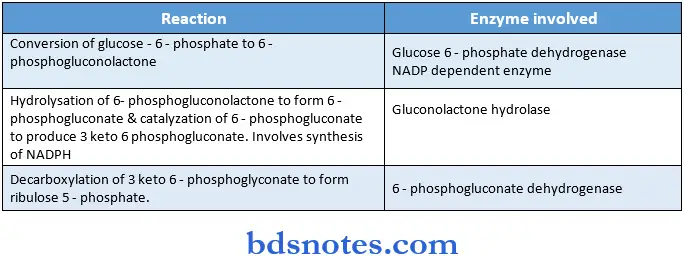
Reactions:
1. Oxidative phase: [It is concerned with the interconversion of monosaccharides.
“Common challenges in mastering Acetyl-CoA notes effectively: FAQs provided”
- Initially ribulose 5 – phosphate is converted to.
- Xylulose 5 – phosphate by an epimerase
- Ribose 5 – phosphate by ribose 5- phosphate
keto isomerase.
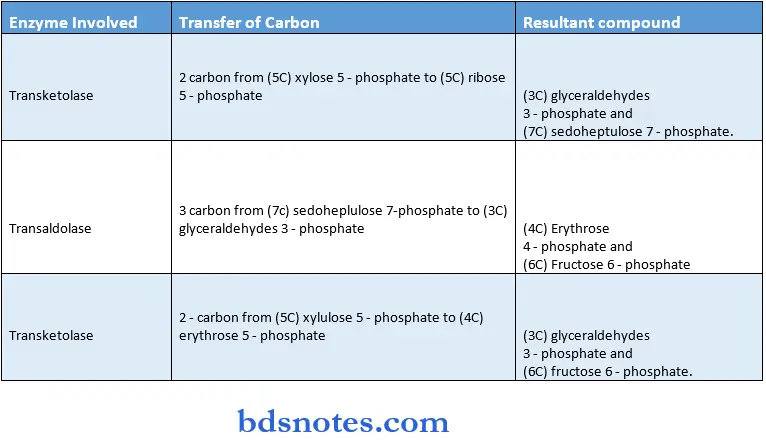
Next, the following reactions occur and the carbon atoms are interconverted.
2. Non-oxidative Phase:
- It is concerned with the interconversion of monosaccharides.
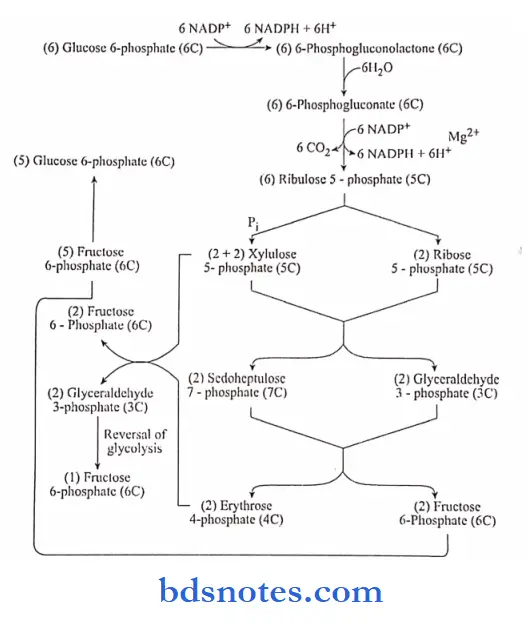
- Initially ribulose 5 – phosphate is converted to.
- Xylulose 5 – phosphate by an epimerase
- Ribose 5 – phosphate by ribose 5- phosphate keto isomerase.
Next, the following reactions occur and the carbon atoms are interconverted.
Acetyl-CoA production from pyruvate
“Steps to explain the role of Acetyl-CoA in biosynthesis: Fatty acids vs cholesterol vs ketone bodies: Q&A guide”
“Why is Acetyl-CoA critical for cellular energy production? Answered”
- Fructose 6 – phosphate and glyceraldehydes 3 – phosphate can be further catabolized through glycolysis and citric acid cycle.
“Factors influencing success with Acetyl-CoA studies: Q&A”
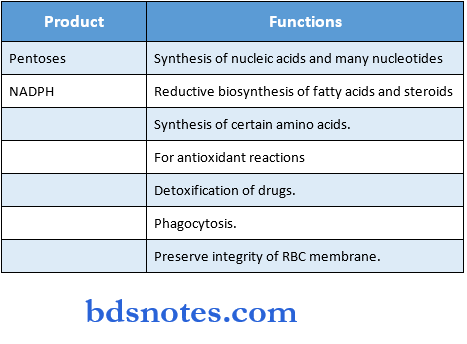
Significance:
- The HMP pathway generates two important products.
Leave a Reply