Labial Bows
Write short note on labial bows.
Or
Write short note on types of labial bows with uses.
Answer.
Bows
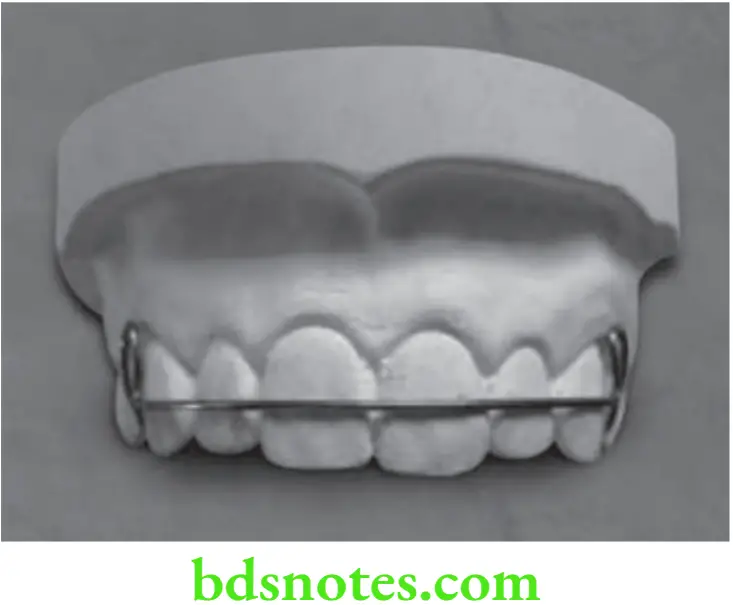
Bows are the active component of orthodontic appliance which exert forces mostly on incisors to bring about the necessary tooth movement.
“Understanding the role of labial bows in orthodontic treatment”
Read And Learn More: Retention and Relapse in Orthodontics: Causes, Types, Functions
“Importance of studying labial bows for better orthodontic outcomes”
Type of Used Labial Bows
Labial bows with U loop
- Short labial bow
- Long labial bow
- Split labial bow
- Reverse labial bow
- Fitted labial bow
Labial bows without U loop
- Robert’s retractor
- Mills retractor
- High labial bow with apron spring.
“Common challenges in using labial bows effectively”
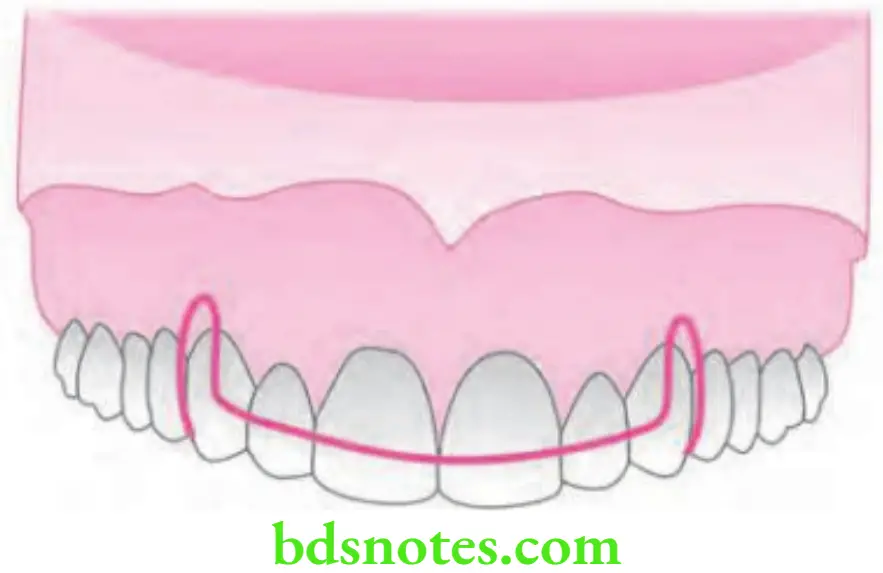
Short Labial Bow
- This bow is constructed using 0.7 mm hard round stainless steel wire
- The labial bow consists of a bow that makes contact with the most prominent labial teeth and two U loops that end as retentive arm distal to the canines.
- They are indicated in case of minor overjet reduction and anterior space closure.
- This can also be used for retention at the termination of fixed orthodontic therapy.
“Steps to explain different types of labial bows in orthodontics”
“Role of single vs double labial bows in orthodontic appliances”
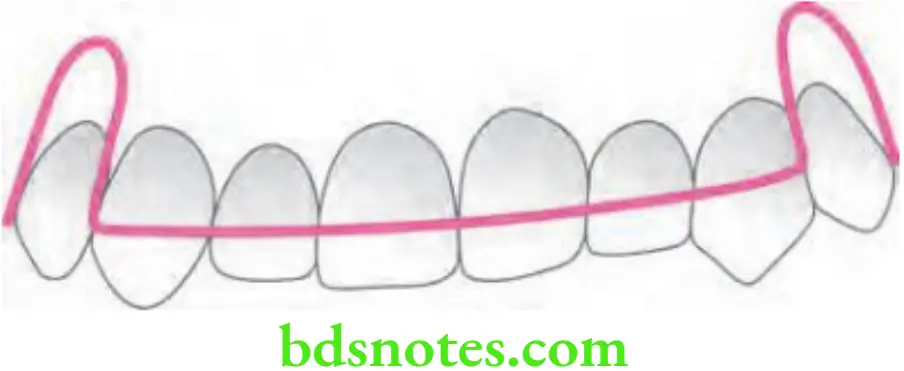
Long Labial Bow
- It extends from fist premolar to the opposite fist premolar.
- Used in actively growing patient.
- Used in—minor anterior space closure, minor overjet reduction, closure of space distal to canine as retentive device.
“Early warning signs of issues with labial bow usage”
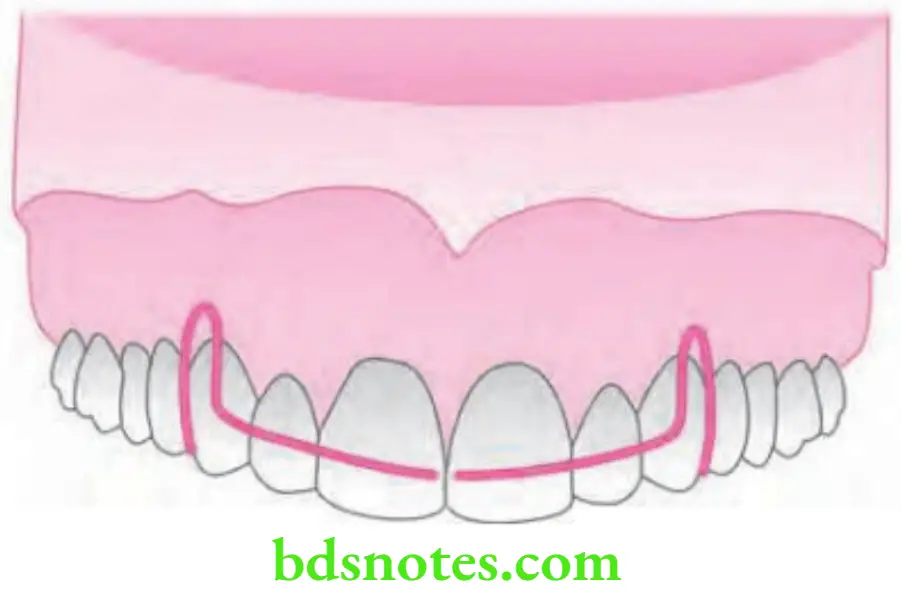
Split Labial Bow
- The bow is split in the middle to increase flexibility.
- Used for anterior retraction midline diastema closure.
“Asymptomatic vs symptomatic effects of improper labial bow use”
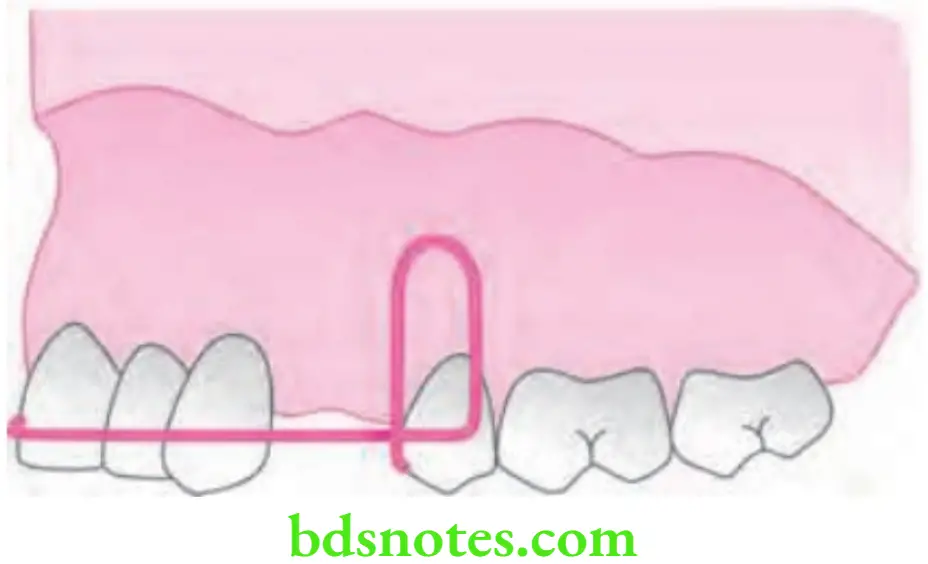
Reverse Labial Bow
- Also called reverse loop labial bow.
- U loops are placed distal to canine.
- Because of increase length of wire the flexibility is more.
“Can targeted adjustments improve labial bow performance? Answer provided”
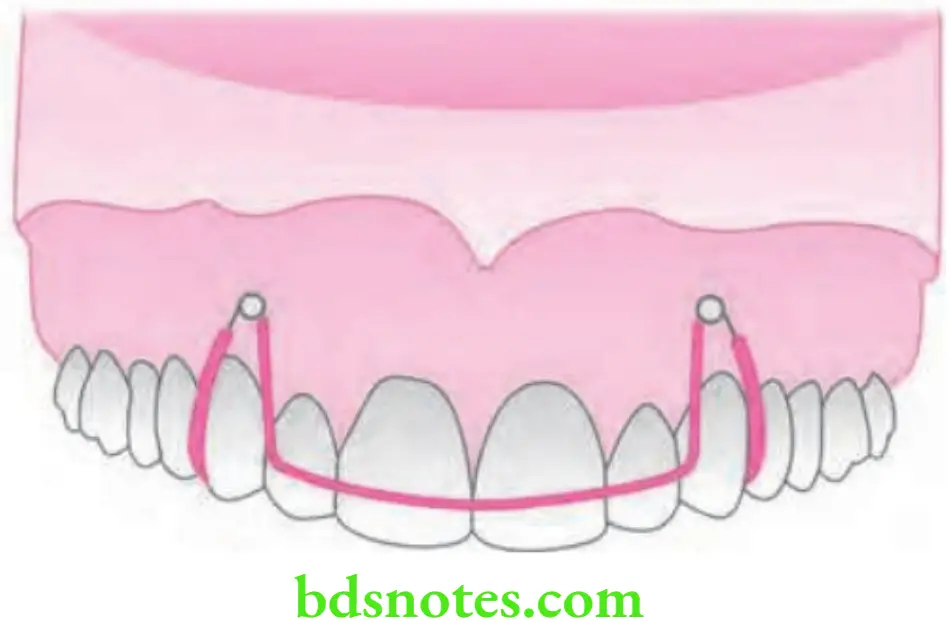
Robert’s Retractor
- Made by thin 0.5 mm diameter wire along with increased wire length due to the incorporation of coil.
- This labial bow having a coil of 3 mm internal diameter mesial to the canine.
- This labial bow is highly flexible.
- Indicated in patients having severe anterior proclination with overjet of over 4mm.
“Early warning signs of knowledge gaps in patient understanding”
“Steps to educate patients about labial bows and their importance”
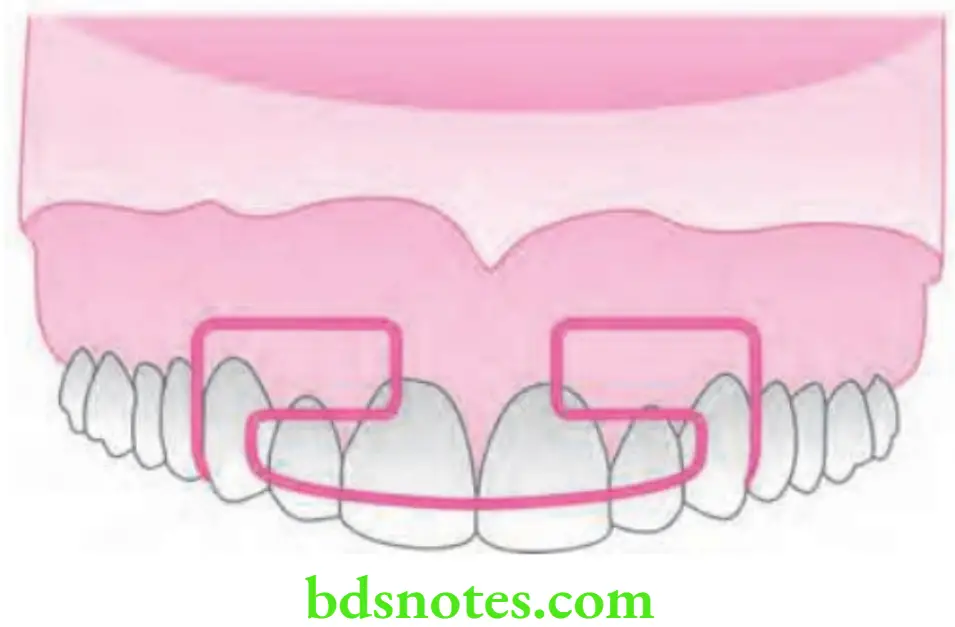
Mill’s Retractor
- This labial bow having extensive looping of the wire so as to increase the flexibility.
- Indicated in patients with a large overjet.
- Difficult in fabrication.
- Poor patient acceptance.
“Asymptomatic vs symptomatic effects of poor communication”
“Role of counseling in clarifying labial bow goals for patients”
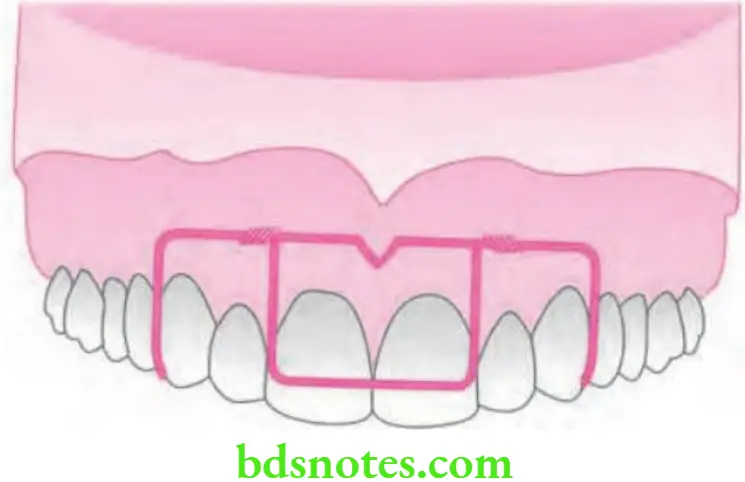
High Labial Bow with Apron Springs
- It consists of a heavy wire bow of 0.9 mm thickness that extends into the buccal vestibule.
- Apron spring made of 0.4 mm wire attached to the high labial bow.
- This type of labial bow is highly flexible.
- Used in case of large overjet.
“Can interactive tools improve adherence to labial bow-based plans? FAQs provided”
“How do educational materials explain complex labial bow concepts? FAQ explained”
Fitted Labial Bow
- In this type the wire is adapted to confirm the contours of labial surface.
- The U loop is usually small.
- They are used as retainers at the completion of fixed orthodontic therapy.
“Differential applications of traditional vs digital learning methods”
Leave a Reply